STEP – Support Transition & Empower Performers: Improving Career Guidance and Lifelong Learning for Adult Dancers in Physically Demanding and Hazardous Professions

Erasmus+ – ERASMUS-EDU-2025-PI-FORWARD (Adult Career Guidance)

Project duration: 30 months

Timeline: 01.03.2026 – 31.08.2028

Main themes: Adult Career Guidance; Career Transition & Lifelong Learning for Performing Artists
STEP

On March 1, 2026, we officially launched STEP – Support Transition & Empower Performers: Improving Career Guidance and Lifelong Learning for Adult Dancers in Physically Demanding and Hazardous Professions, our new future-oriented Erasmus+ project.

This 30-month project brings together organizations from Greece, the Netherlands, Italy and Romania to support professional dancers in managing career transitions and building sustainable professional futures beyond their performing careers.

🚀 What is STEP?

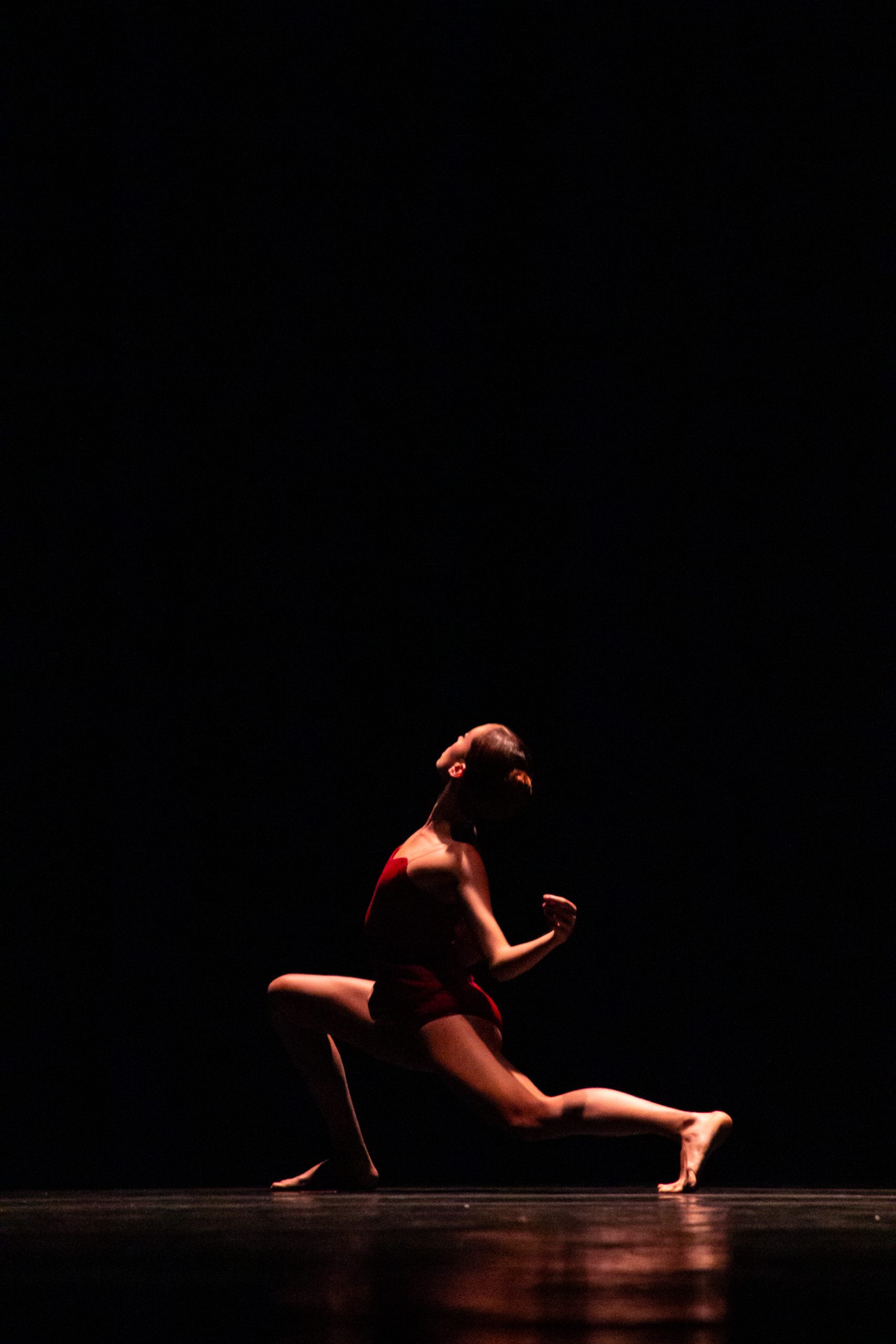
STEP aims to support dancers whose careers are often cut short due to the physical demands of the profession. Many dancers retire early and find it difficult to transition to new careers, despite having valuable transferable skills.

The project focuses on supporting dancers in their development and recognition:

– transferable professional skills acquired through dance
– new skills for alternative career paths
– entrepreneurial and digital skills
– career planning and lifelong learning strategies
– access to mentoring and professional networks

Through research, training programmes, mentoring activities and collaboration between organizations across Europe, STEP will create new opportunities for dancers to build sustainable careers after performing.

🎯 Why this project is important

Professional dancers face several structural challenges when their performing careers come to an end:

5

early career end due to injury and physical strain

5

limited career guidance services tailored to the performing arts sector

5

lack of recognition of transferable skills developed through dance

5

poor working conditions in the cultural sector

5

few opportunities for structured retraining and lifelong learning

STEP responds to these challenges by developing tools, training programs and support systems that help dancers successfully transition into new professional roles.

🛠 What we will do

Over the next 30 months, project partners will implement:

5

Needs assessment and mapping

Research exploring the challenges dancers face in transitioning to new careers, including skills mapping and identifying support gaps.

5

STEP Transition Framework

Developing a framework that supports dancers in planning and managing their career transition.

5

Training program and educational resources

Creating a modular training program focusing on career planning, entrepreneurship, digital skills and lifelong learning.

5

Mentoring program

Establish mentoring schemes that connect dancers with experienced professionals who can support them during their career transition.

5

Digital learning platform

An online platform hosting training materials, educational resources and tools for professional development of dancers.

5

Policy dialogue and final conference

Disseminating project results, good practices and policy recommendations to cultural organizations, policy makers and education providers.

# STEP Project Partners Meet in Athens for a Transnational Project Meeting

Kick-off Meeting

# STEP Project Partners Meet in Athens for a Transnational Project Meeting
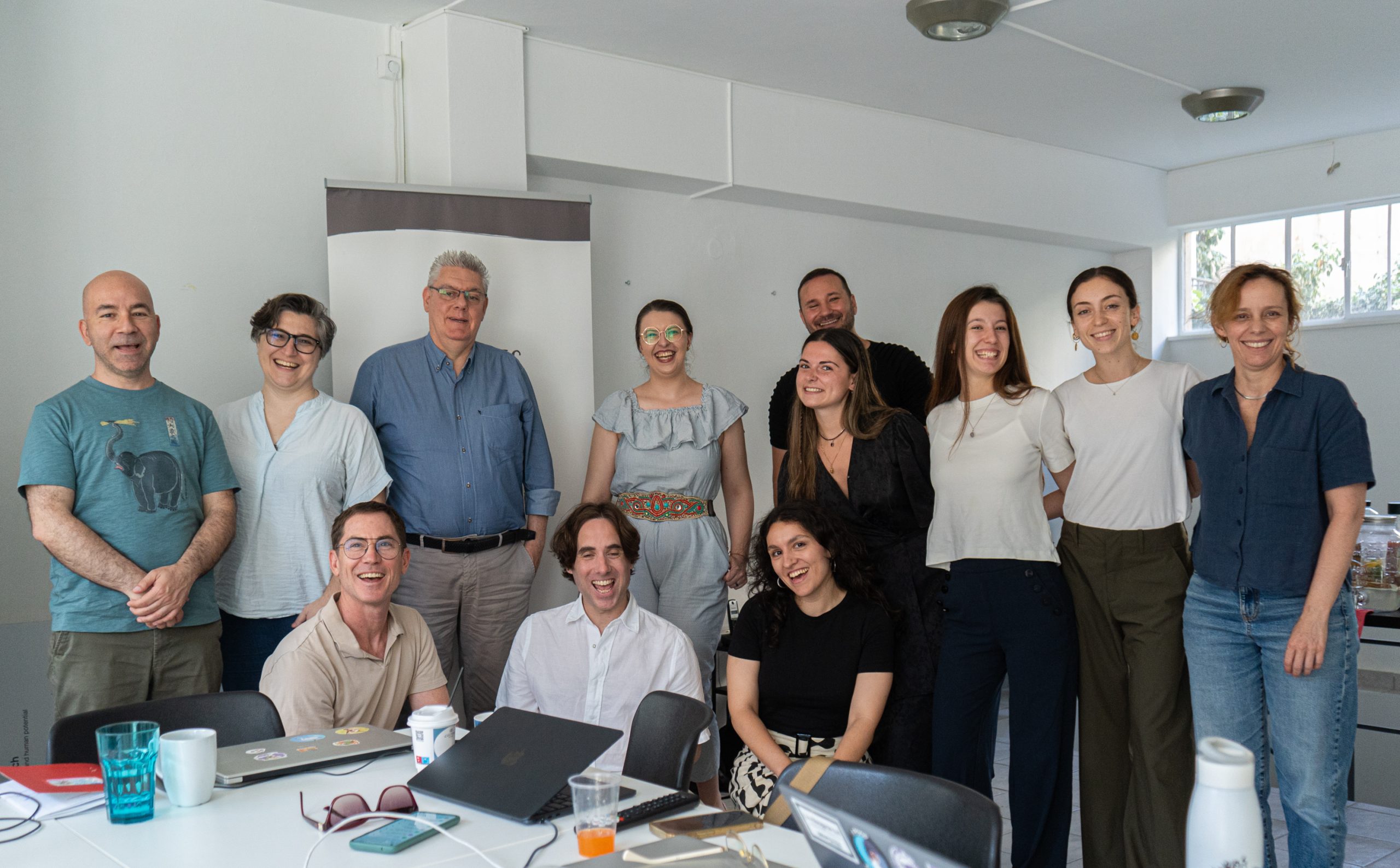
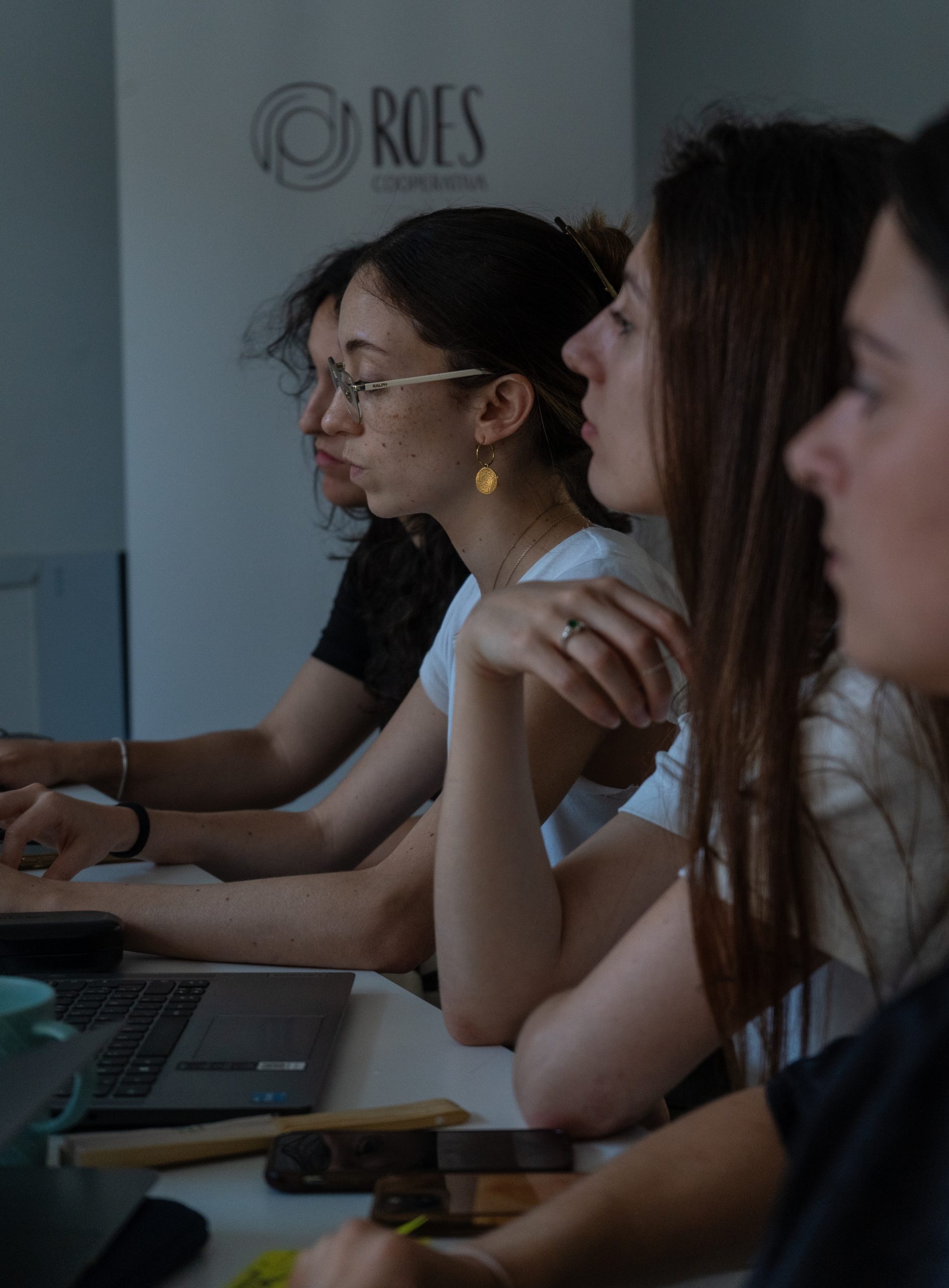
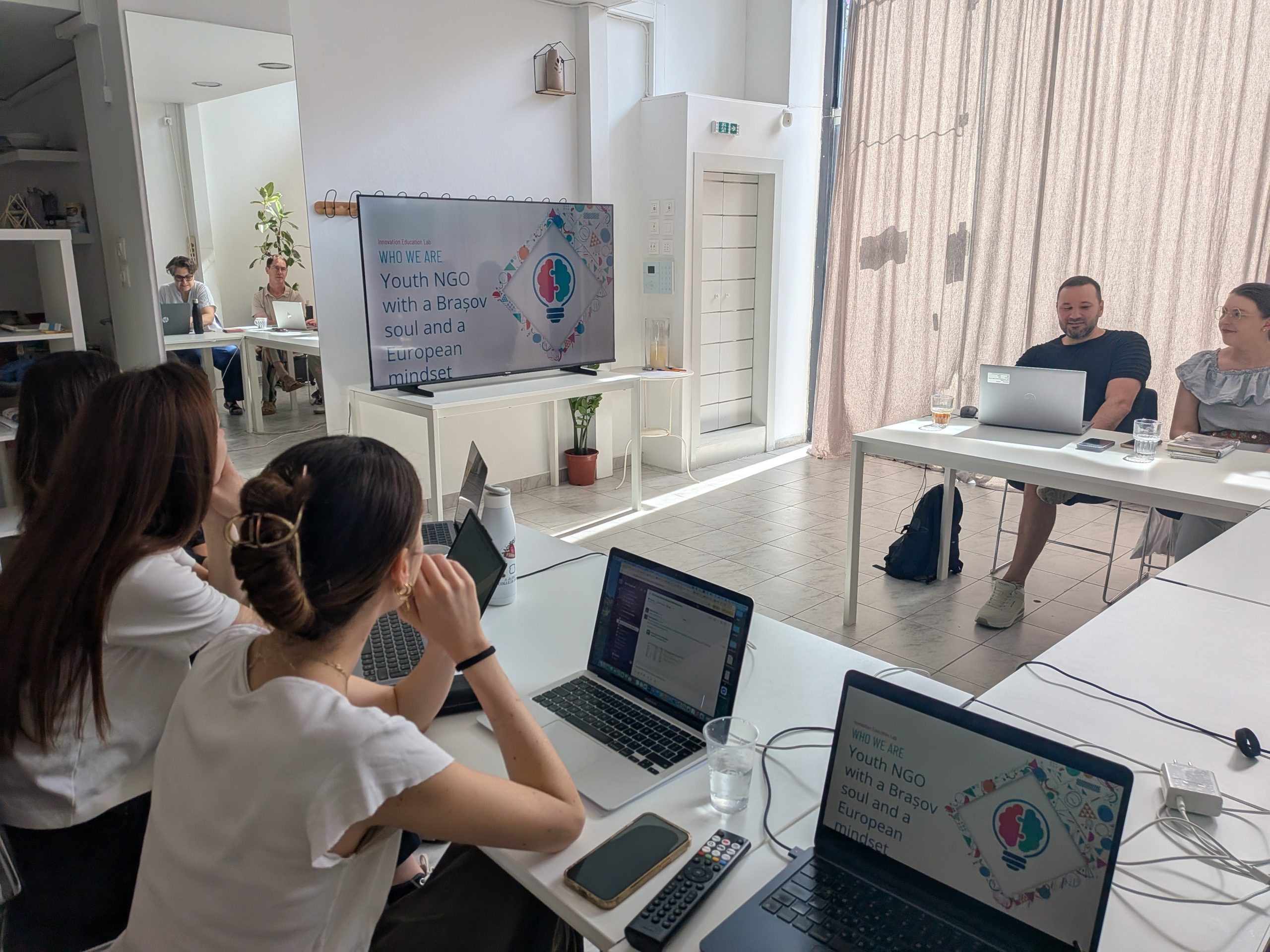
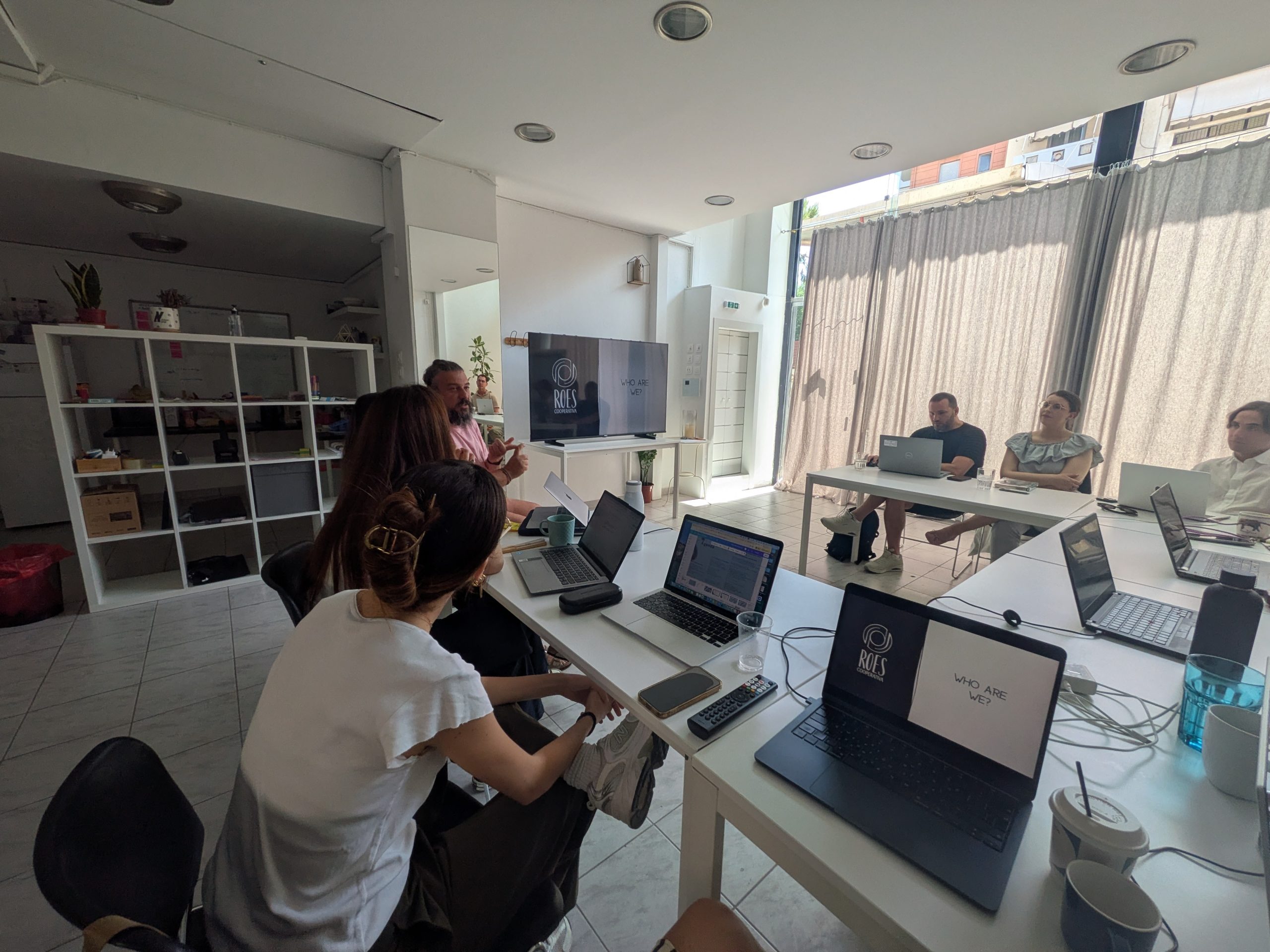
The partners of the STEP Project gathered in Athens, Greece, from June 15 to 17, 2026, for a transnational project meeting hosted by Roes Cooperativa.

The meeting brought together representatives from FRAMEWORK, Innovation Education LAB, LOF Podiumkunsten, Puglia Culture, Roes Cooperativa, and The Academy of Entrepreneurship to review the project’s progress and coordinate the next phases of implementation.

A significant portion of the meeting focused on project management and quality assurance. Partners reviewed the project tools currently in use, including the Gantt chart, deliverables and milestones templates, and project management reporting systems. Discussions also addressed the importance of proactive planning, regular monitoring, and effective collaboration among partners.

The consortium reviewed the Quality Assurance Plan and agreed on several improvements, including additional evaluation measures for project meetings, project coordination, and cooperation activities. The topic of external evaluation was also discussed, with partners considering how best to organize independent quality assessment activities during the project.

Research activities were another key area of discussion. Partners shared their experiences regarding stakeholder engagement and data collection, particularly as they relate to dancers’ career transitions. The consortium examined challenges related to participation and discussed strategies to improve outreach and engagement with dancers and relevant stakeholders.

The meeting also included discussions on future policy recommendations and the development of the STEP Transition Framework. Proposed elements of the framework include entrepreneurship, advocacy, cooperative models, empowerment, self-assessment tools, mentoring opportunities, and support mechanisms designed to help dancers navigate career transitions.

In addition, the partners reviewed dissemination and communication activities and agreed on actions to increase the project’s visibility and stakeholder engagement. They discussed plans for future communication materials, dissemination opportunities, and website development.

The meeting concluded with a review of upcoming deadlines and milestones, as well as the next online coordination meetings. Partners will continue their research activities over the coming months, including focus groups and stakeholder interviews, before preparing national reports and a consolidated synthesis report.

The consortium would like to thank Roes Cooperativa for hosting the meeting and all partners for their valuable contributions and continued commitment to the objectives of the STEP Project.

🌍 Partner organizations

• Roes Coop – Greece (coordinator)
• AKEP – Greece
• LOF – Netherlands
• Puglia Culture – Italy
• Innovation Education Lab – Romania
• Framework – Italy

Together, the partners are committed to strengthening career sustainability and lifelong learning opportunities in the performing arts sector.

📊 Project facts

Program: Erasmus+ Forward-Looking Projects
Project Title: Support Transition & Empower Performers
Acronym: STEP
Project Number: 101259332
Duration: 30 months
Implementation Period: March 2026 – August 2028
Coordinator: Roes Coop (Greece)
Consortium: 6 organizations from Greece, the Netherlands, Italy, and Romania
Total funding: €488,410

🔗 S tay connected

Follow the project on our communication channels for news, opportunities and results:

• Instagram
• Facebook
• LinkedIn

More information about STEP activities, training opportunities, events and results will be published soon.

PROJECT COORDINATED BY:

Roes Cooperativa KOIN.S.EP. (Greece)

PARTNERS:
FINANCING:

STEP is funded by the European Union through the Erasmus+ Program.

The opinions and views expressed are solely those of the authors and do not necessarily reflect the position of the European Union or the funding authority. Neither the European Union nor the funding authority can be held responsible for them.