
Transitions to the Future
055 / 30.07.2025
Project funded by the Dacia Foundation for Romania — the “Mobility Matters” program | Aug. 1, 2025 – July 31 2026
Project duration: 12 months
Timeline: August 1, 2025–July 31, 2026
Field: Education and Youth Development

About the Project
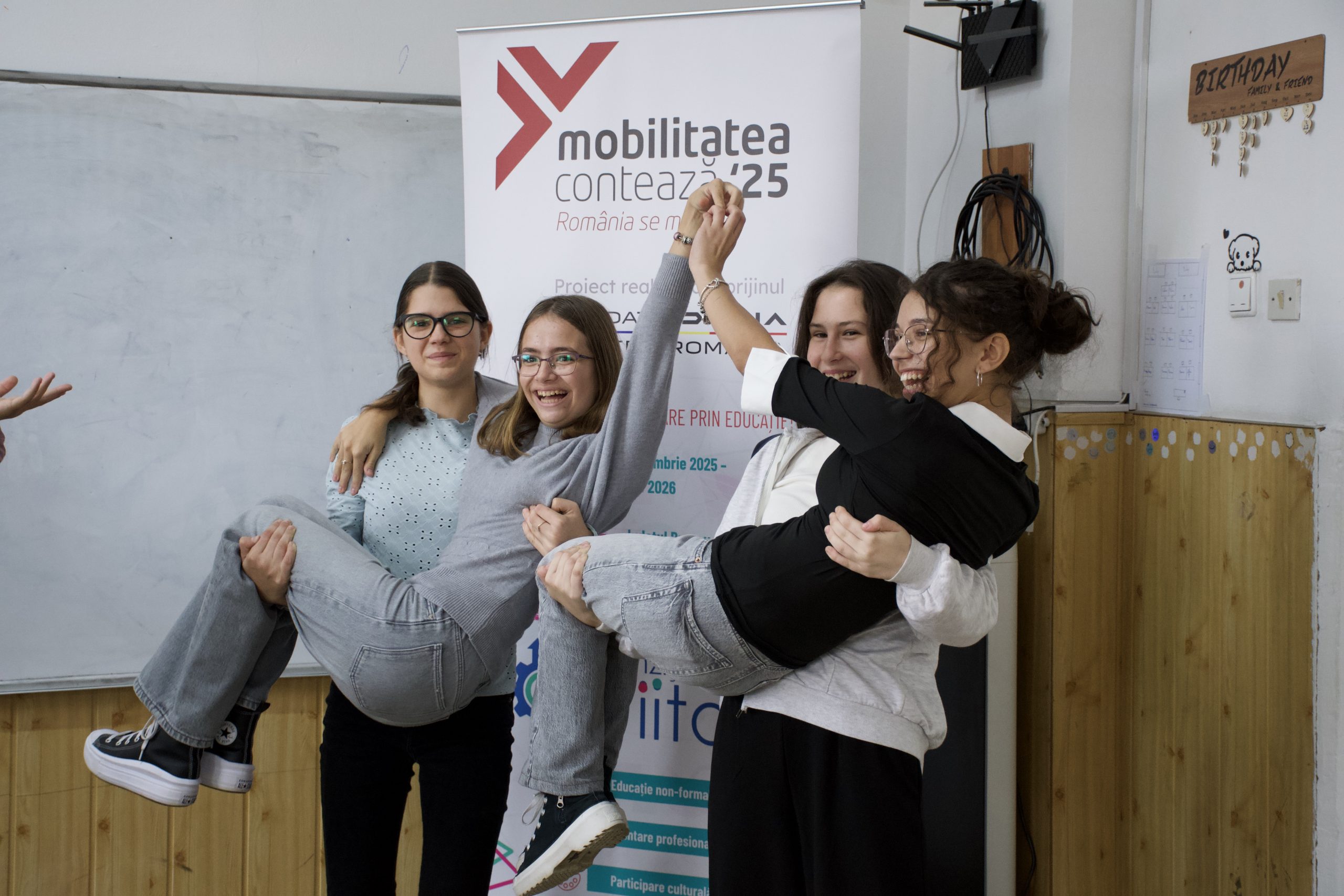
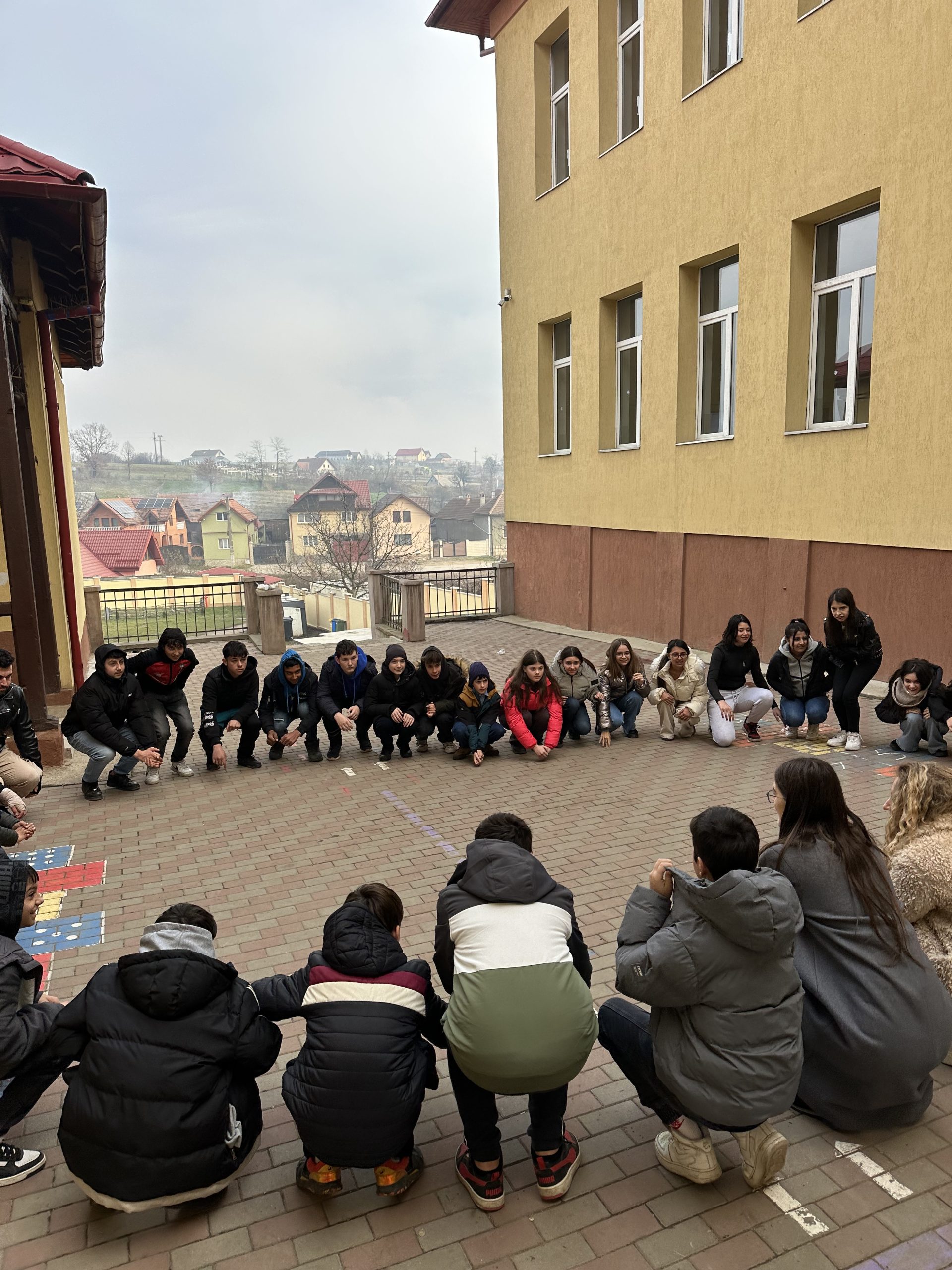
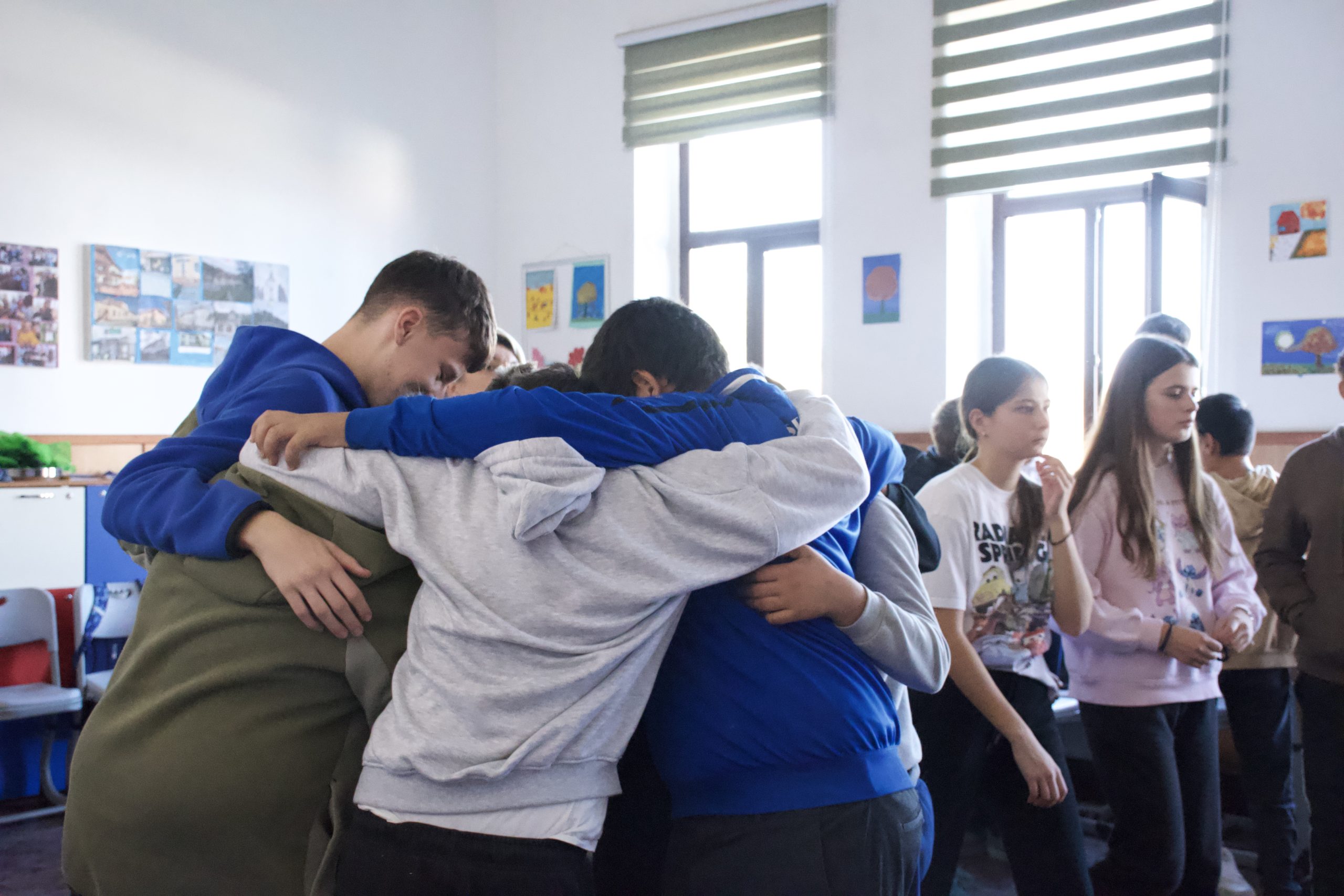
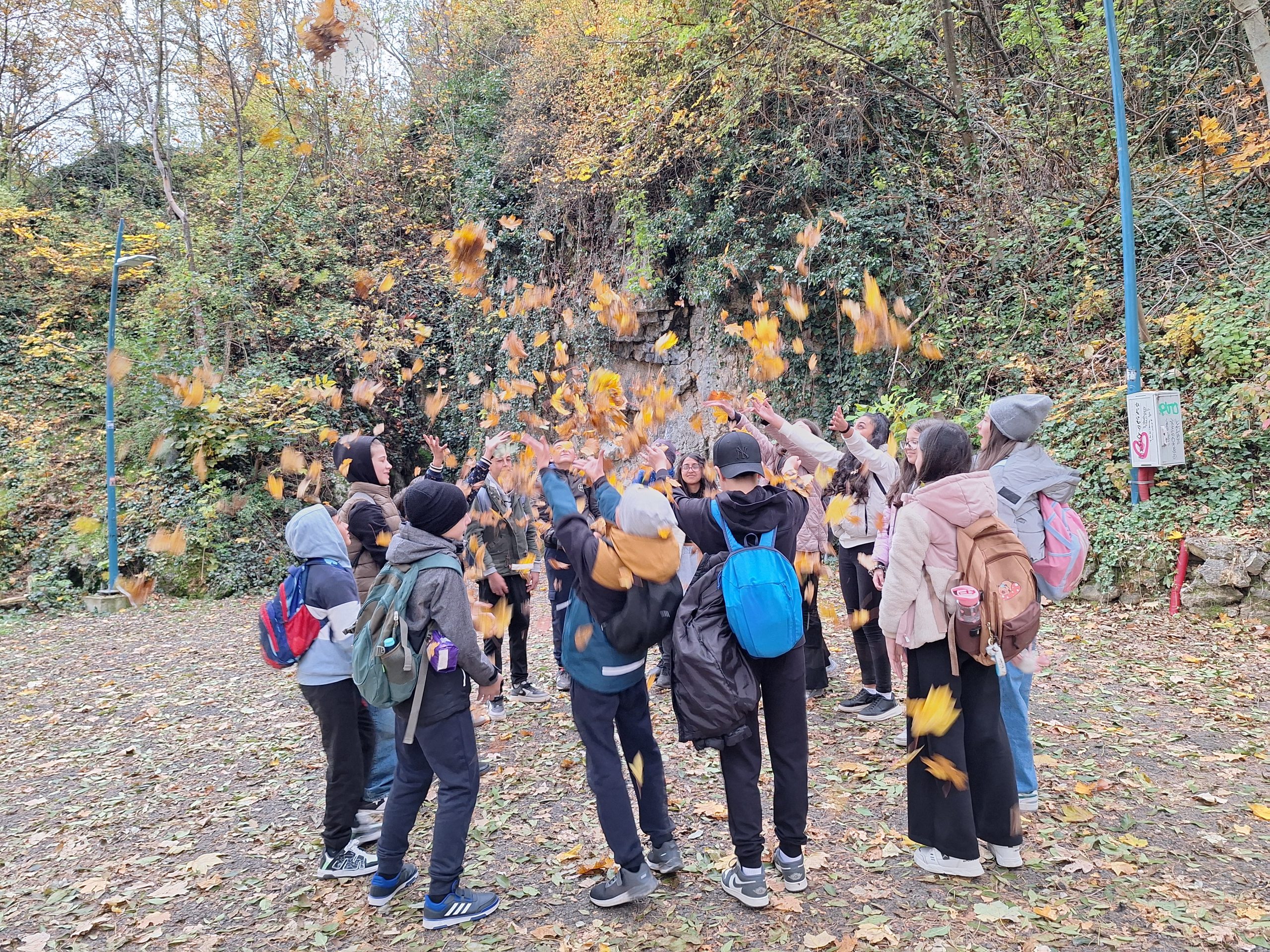
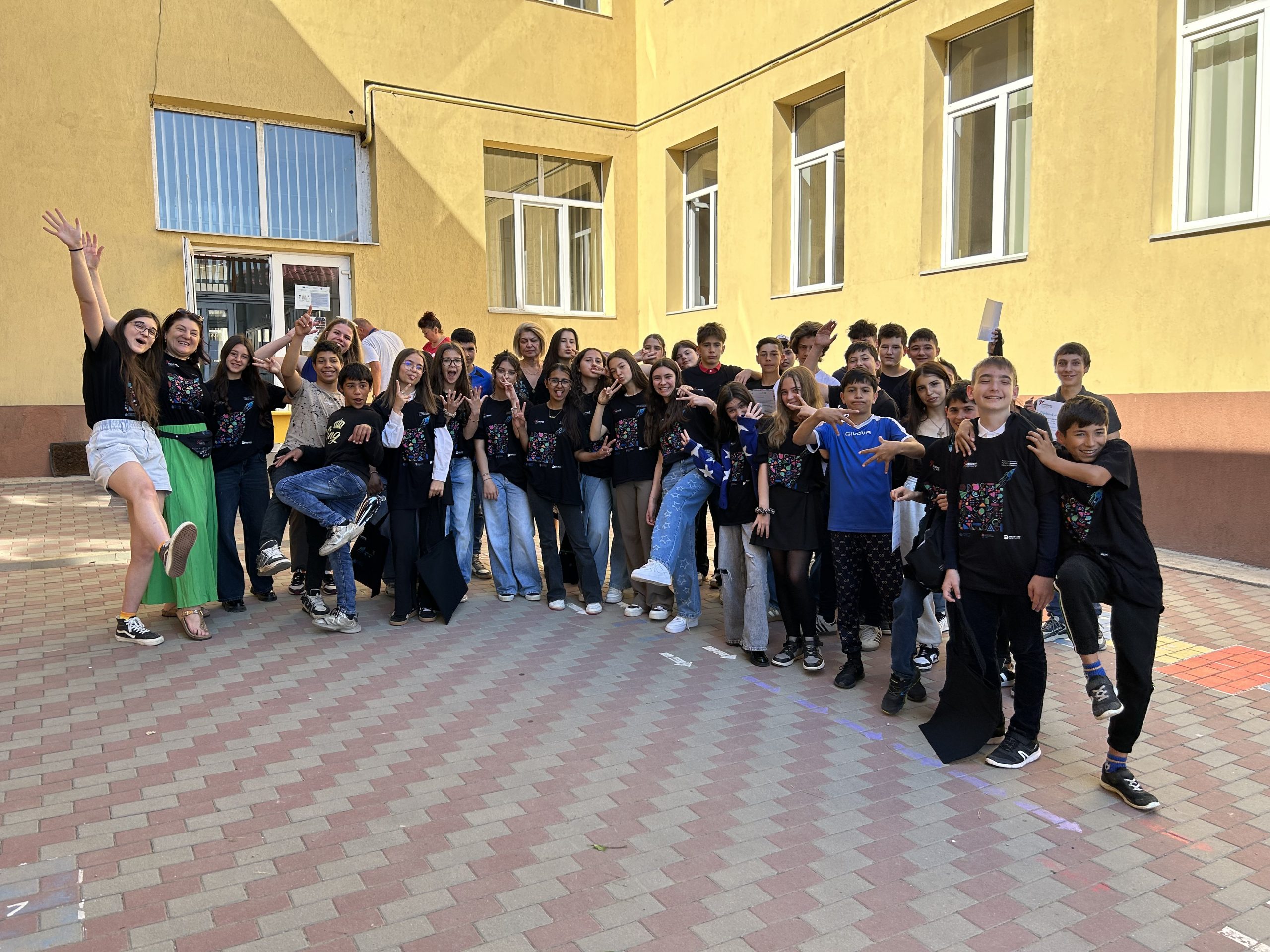
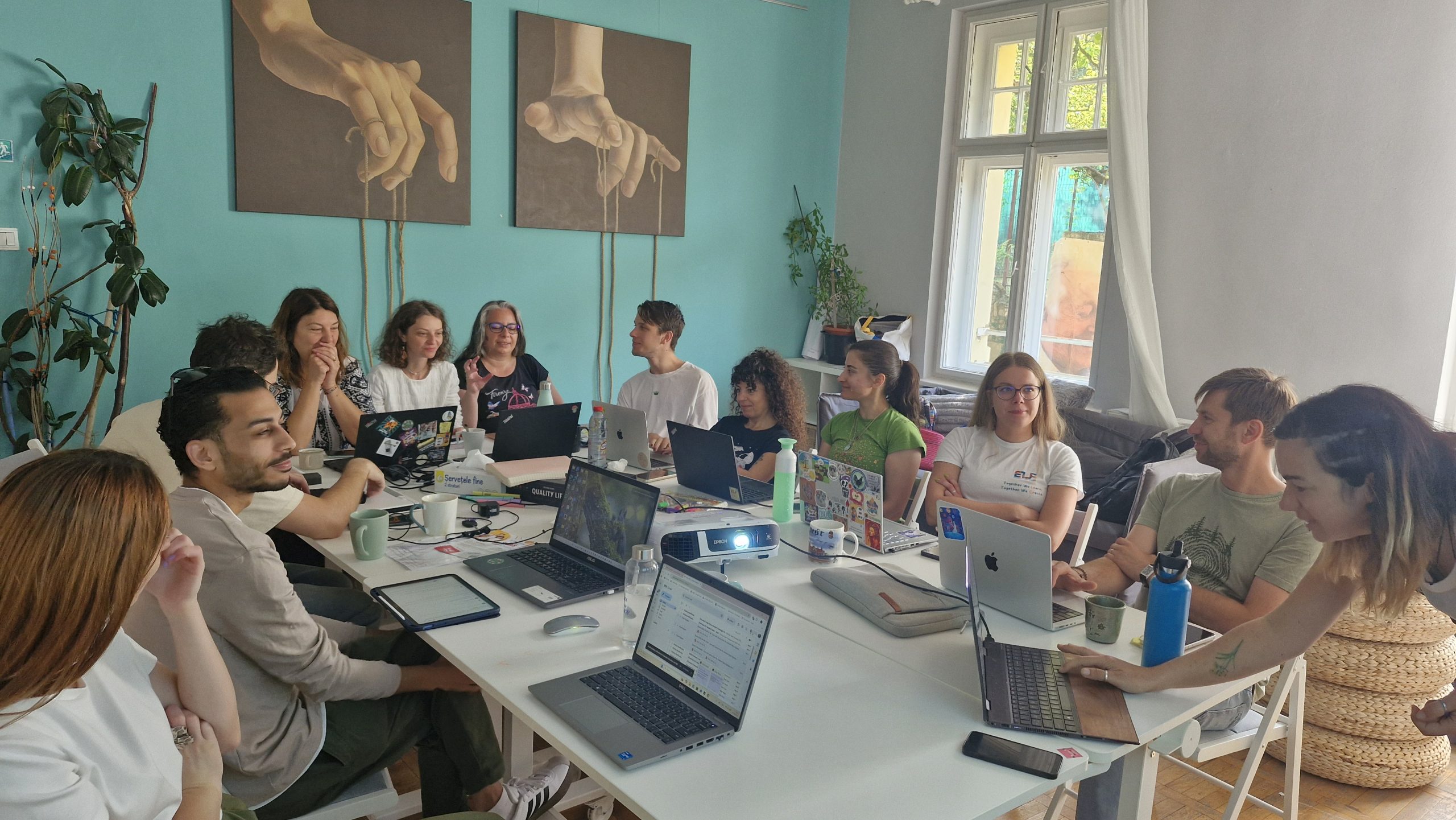
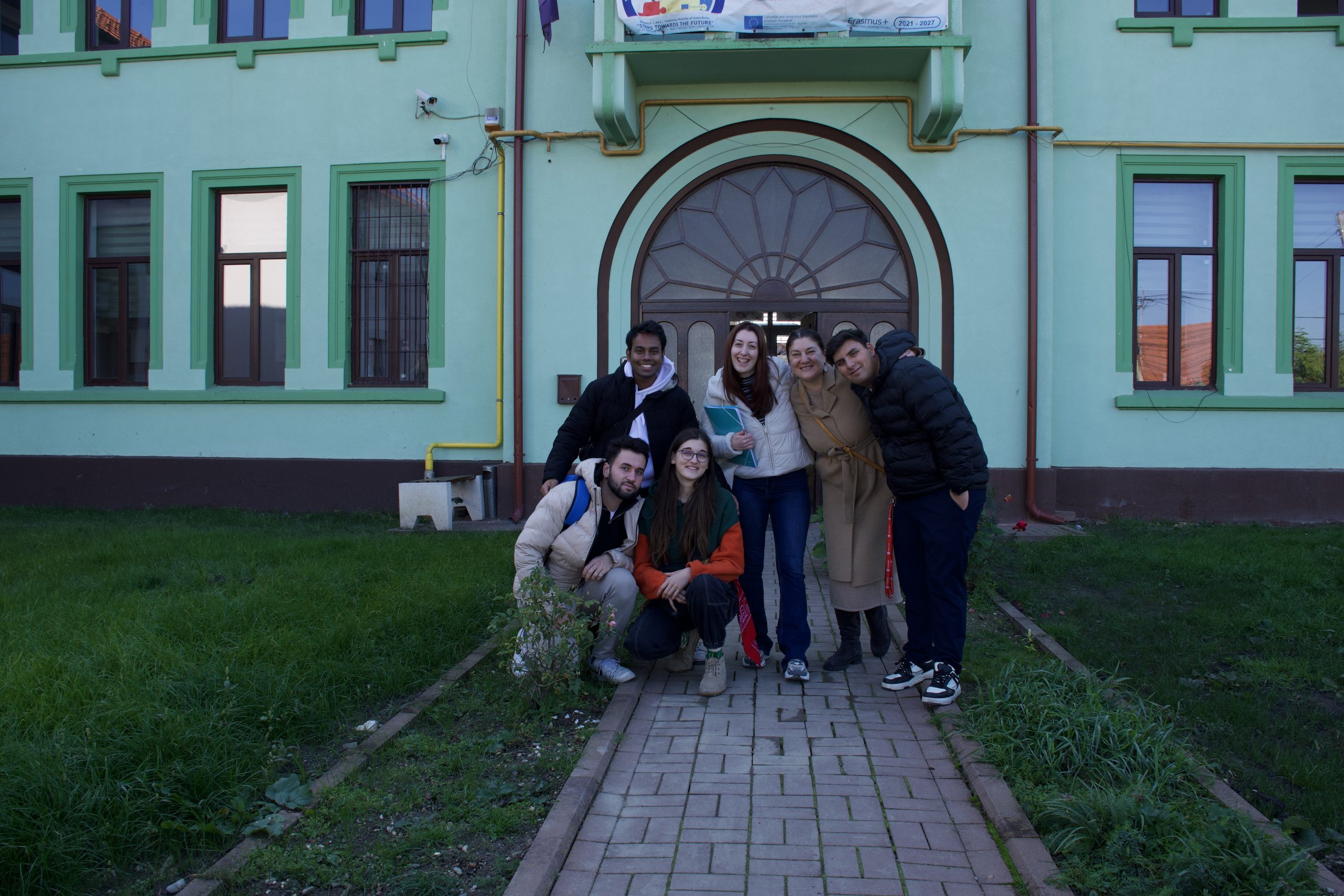
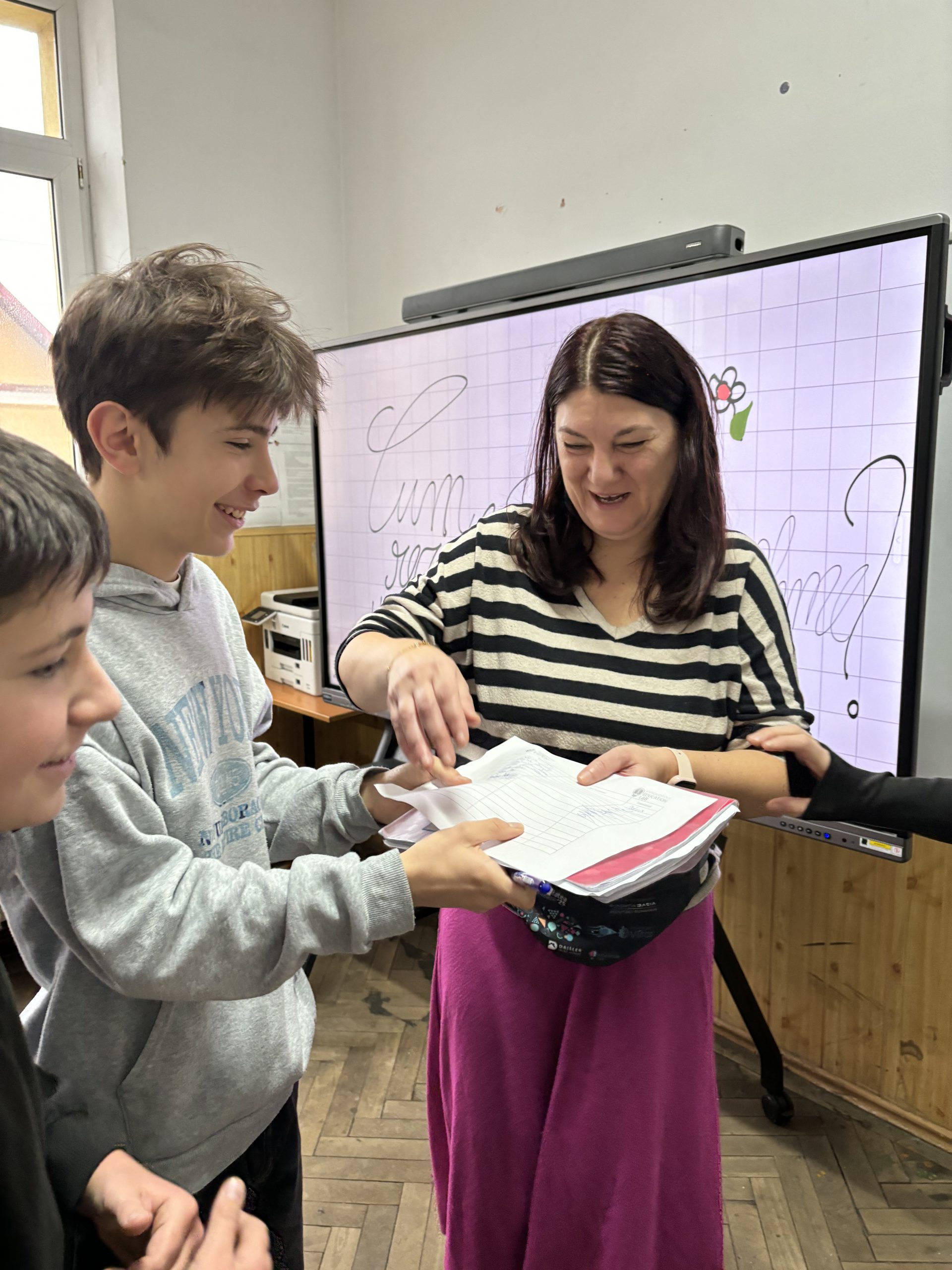
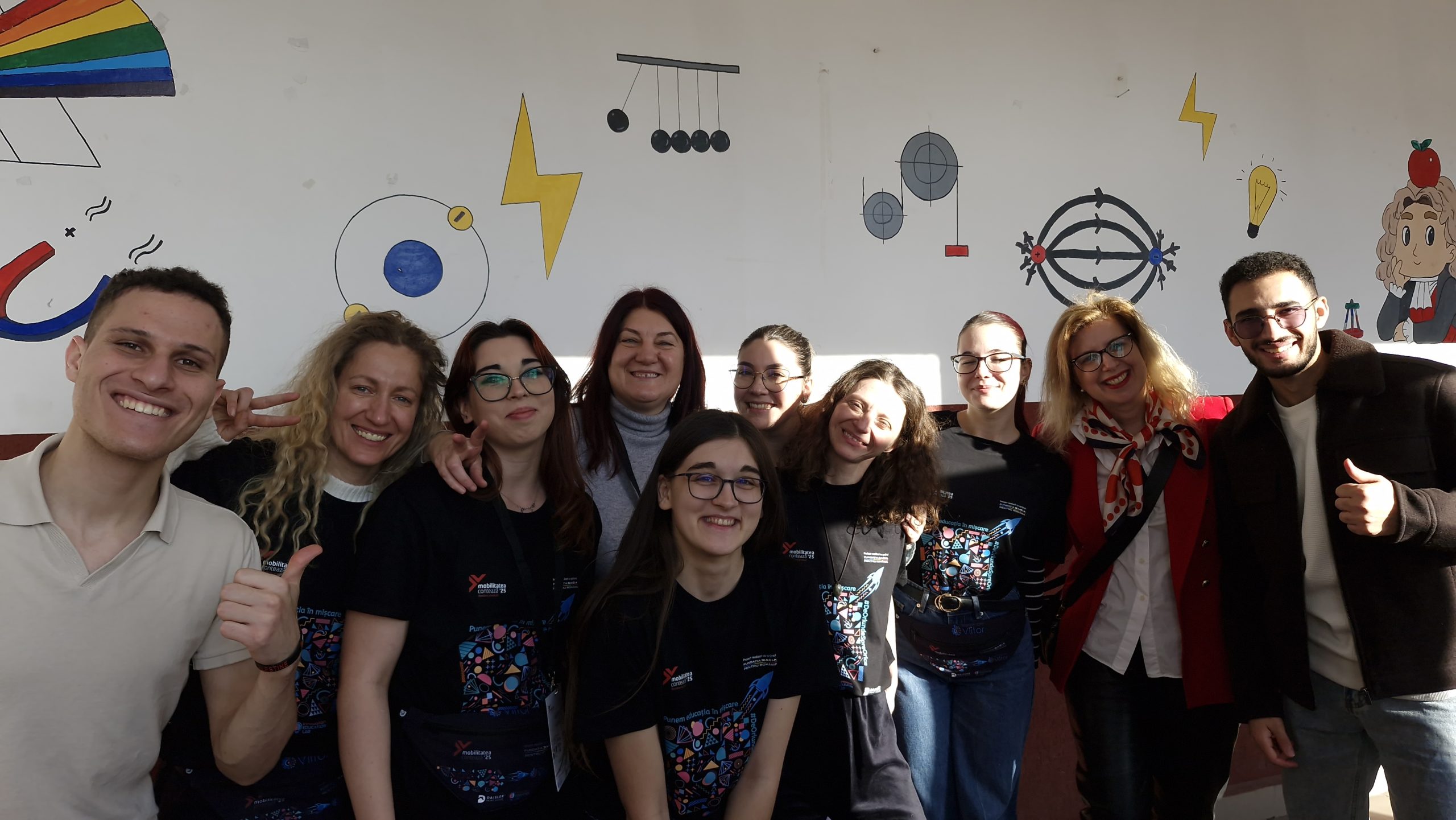
“Transitions to the Future” is an educational program that supports sixth- and seventh-grade students from vulnerable communities in Brasov County in discovering real paths for personal and professional development. Through non-formal workshops, cultural visits, company visits, and a final event, the program creates learning environments that foster young people’s confidence, curiosity, and autonomy. The project is implemented by the Innovation Education Lab – AFJ (iEL) Association, with the support of 16 young volunteer facilitators and a network of institutional and business partners.
#DeOriundeSpreOrice
Partner Schools
The program took place at six schools in Brasov County, in partnership with the Brasov County School Inspectorate:
Budila Middle School
Sacele Middle School No. 5
Teliu Middle School
Vulcan Middle School
Dumbravita Middle School
Halchiu Middle School
Partners
The project benefited from the collaboration of a large number of institutions and organizations: the Brașov County School Inspectorate, the Brașov Science Museum, the Mioritics Association – Schubz Education Center (mobile museum), Stabilus Romania, the Feldioara Commune City Hall, the “George Baritiu” Brasov County Library, Cantus Mundi, and SC Apemin Zizin SA. Each partner contributed facilities, resources, artistic content, or access to real-world professional environments for the students.
Objectives
The project has set seven main objectives:
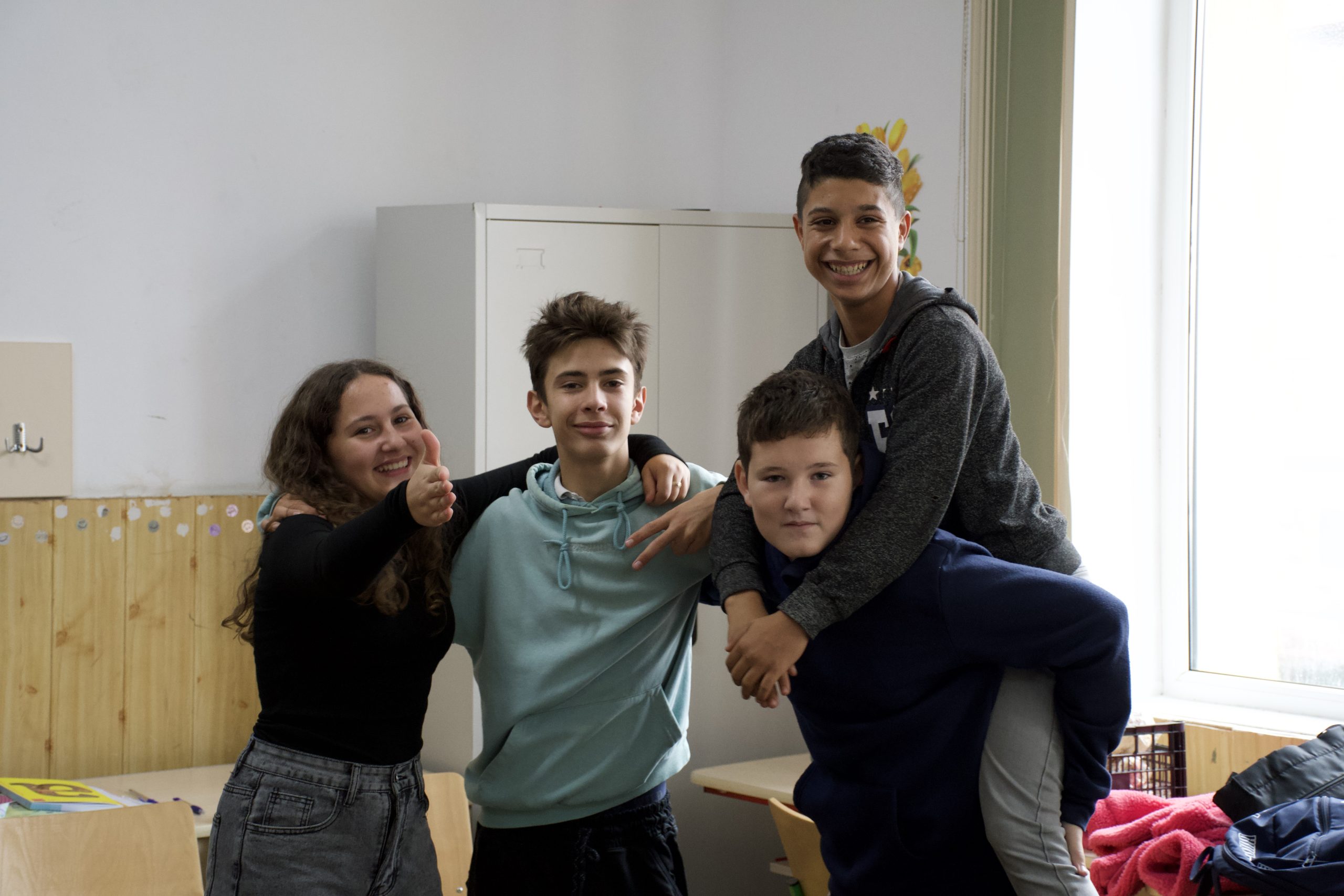
Strengthening community cohesion and educational support networks for participating students.
Developing students’ personal and social skills (communication, time management, problem-solving, decision-making, active learning).
Fostering creativity and an appreciation for local cultural values through cultural visits and creative activities.
Early exposure to real-world career options through company visits and meetings with professionals.
Strengthening students’ sense of belonging and recognizing the value of their educational journey.
Efficient and transparent implementation of the project at every stage.
Increasing the project’s visibility and expanding its potential for replication.
What I Did
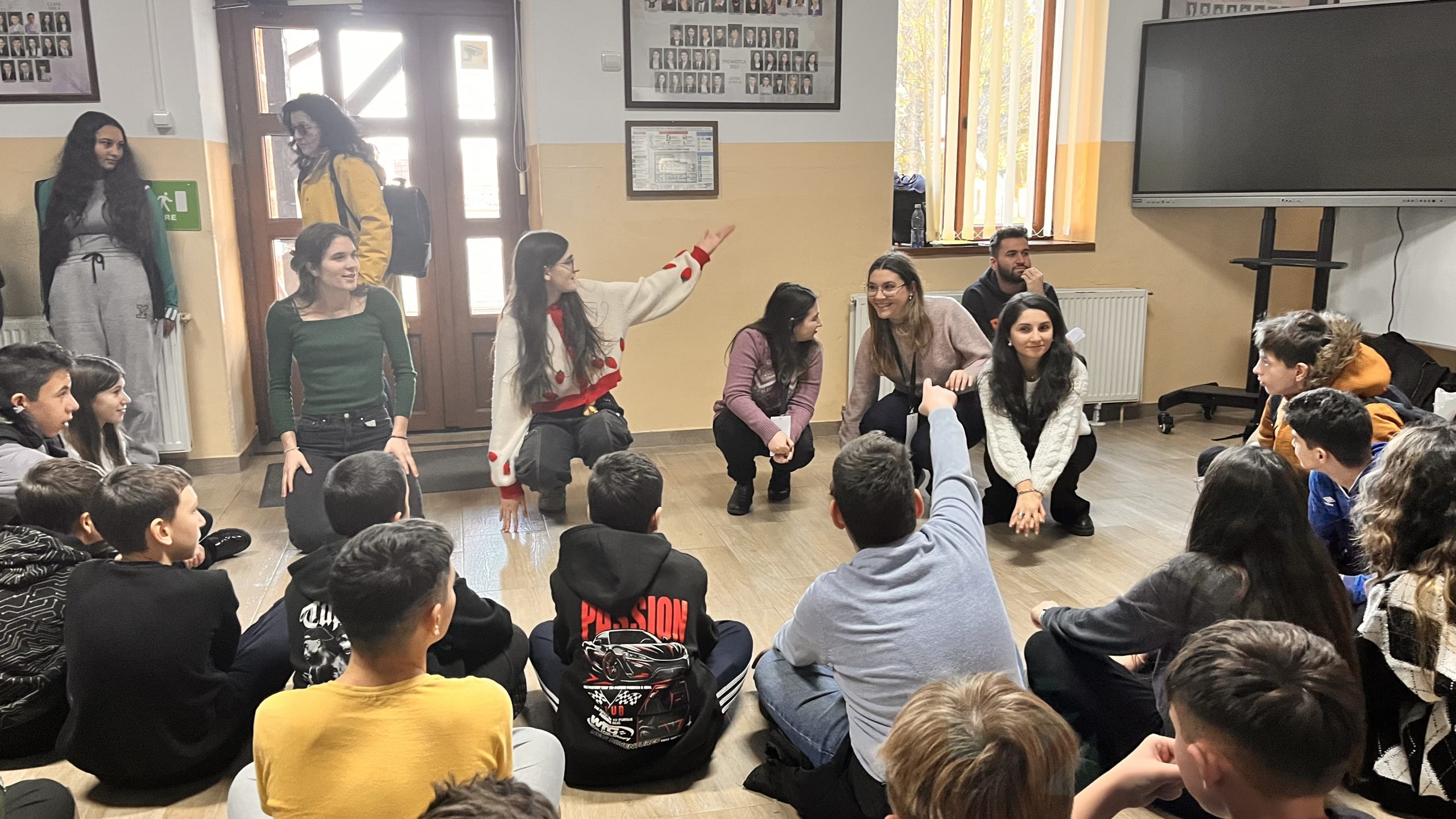
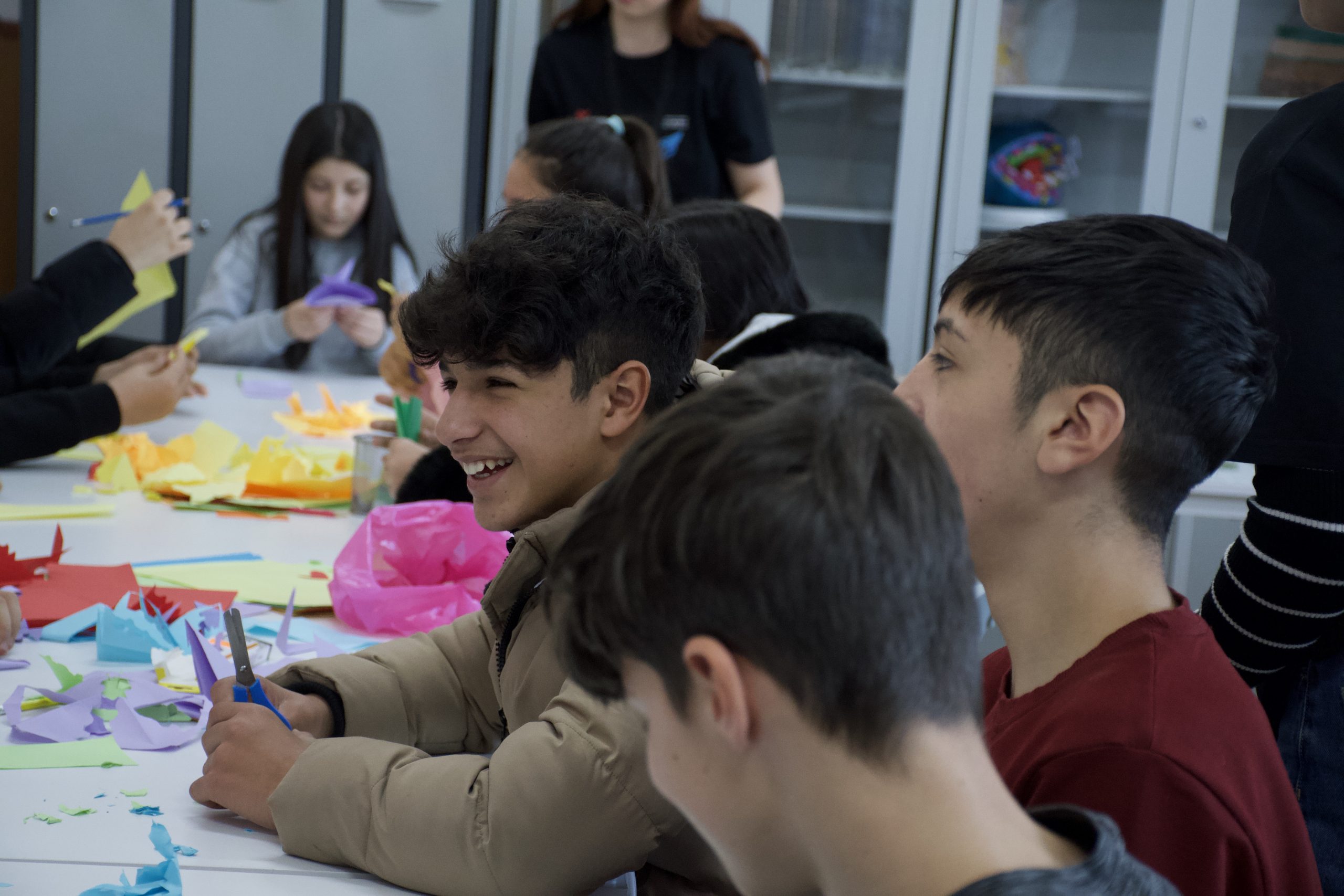
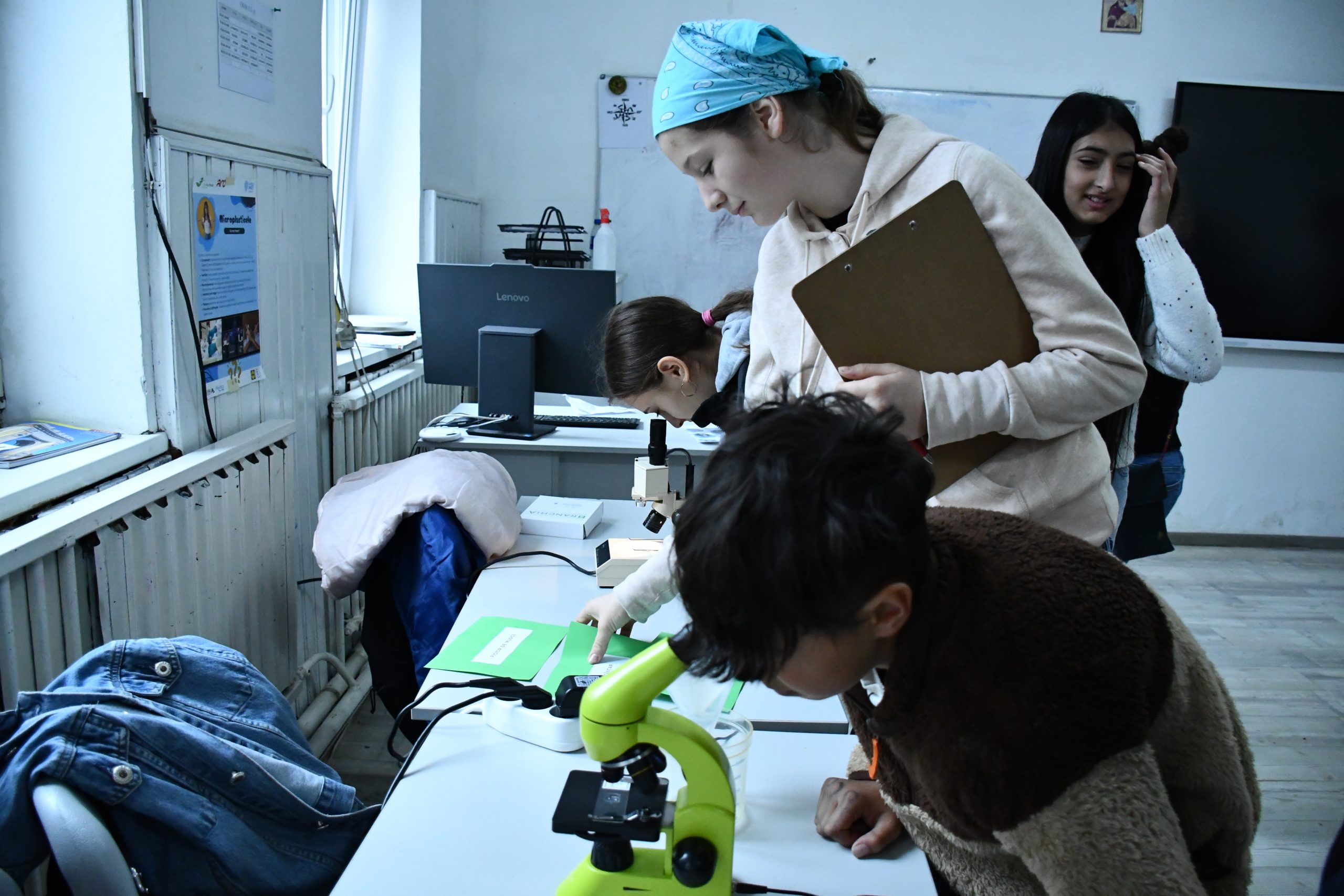
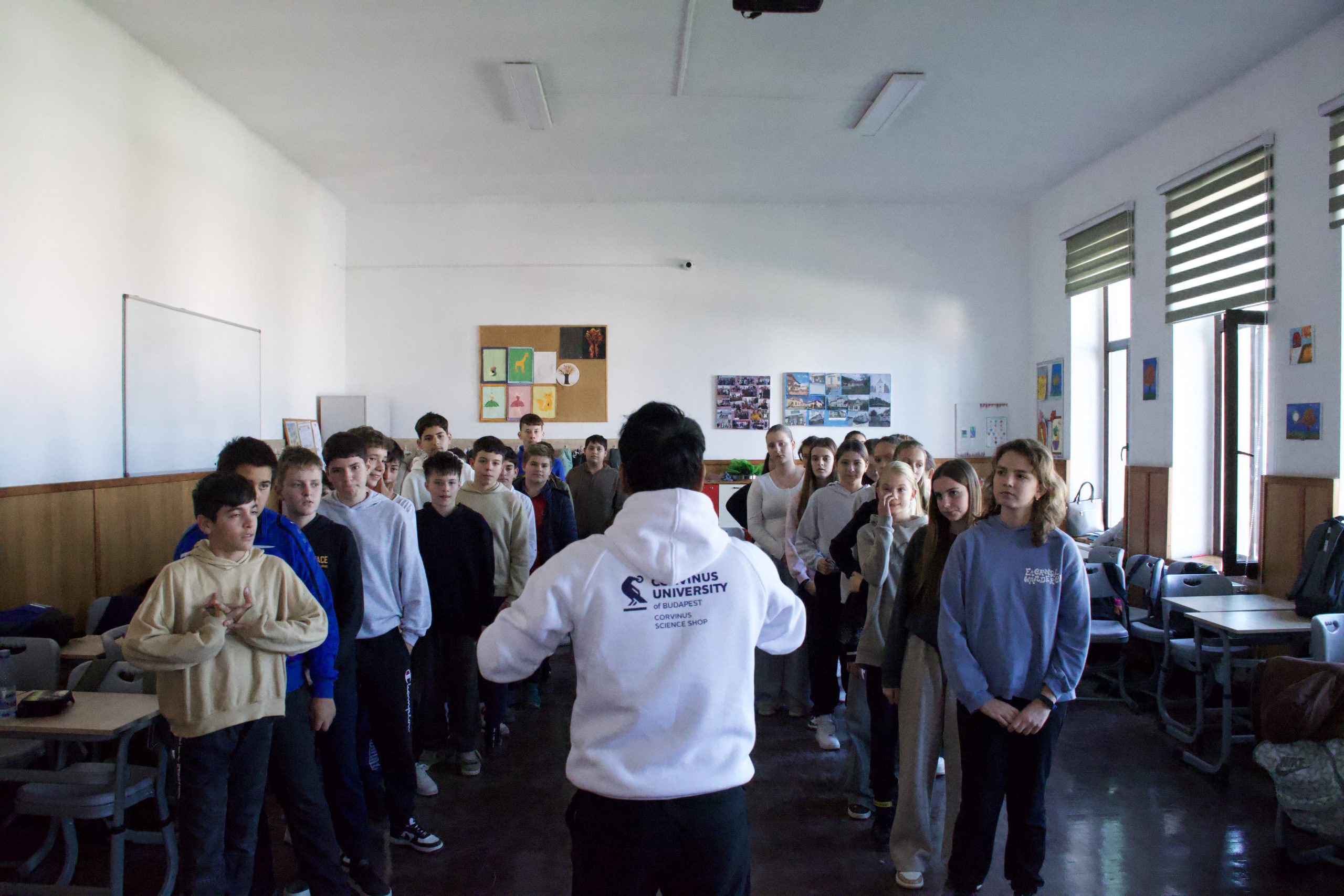
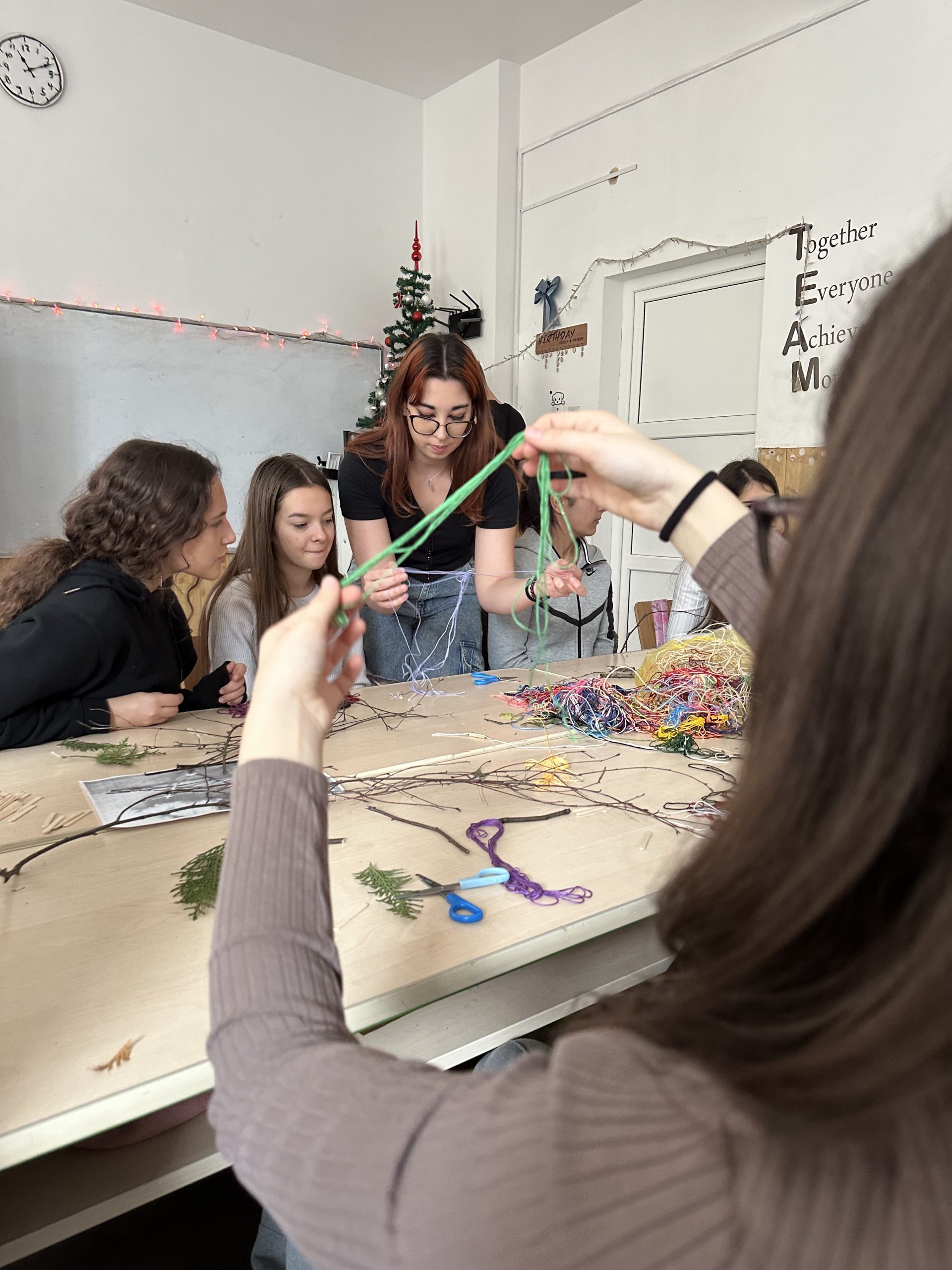
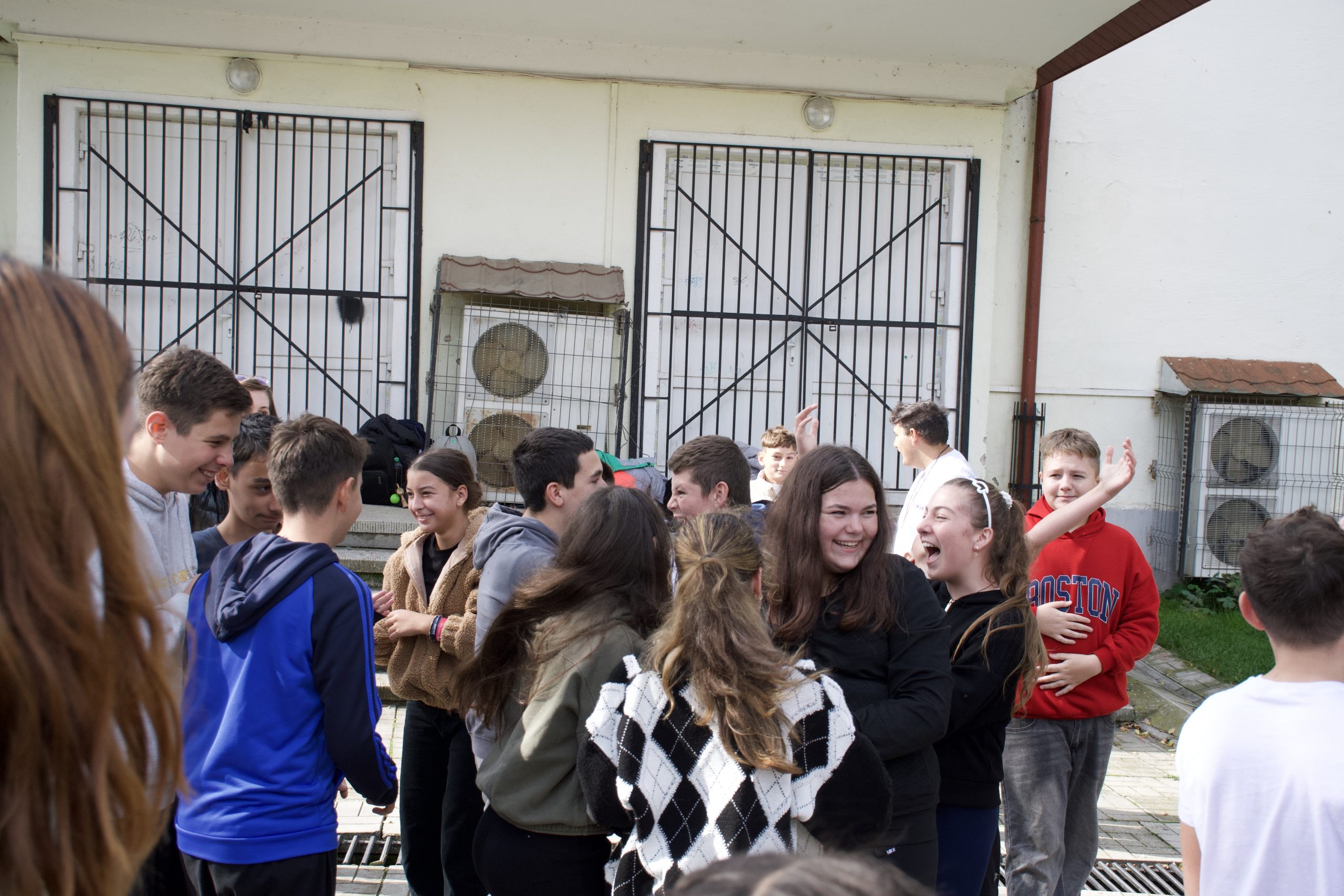
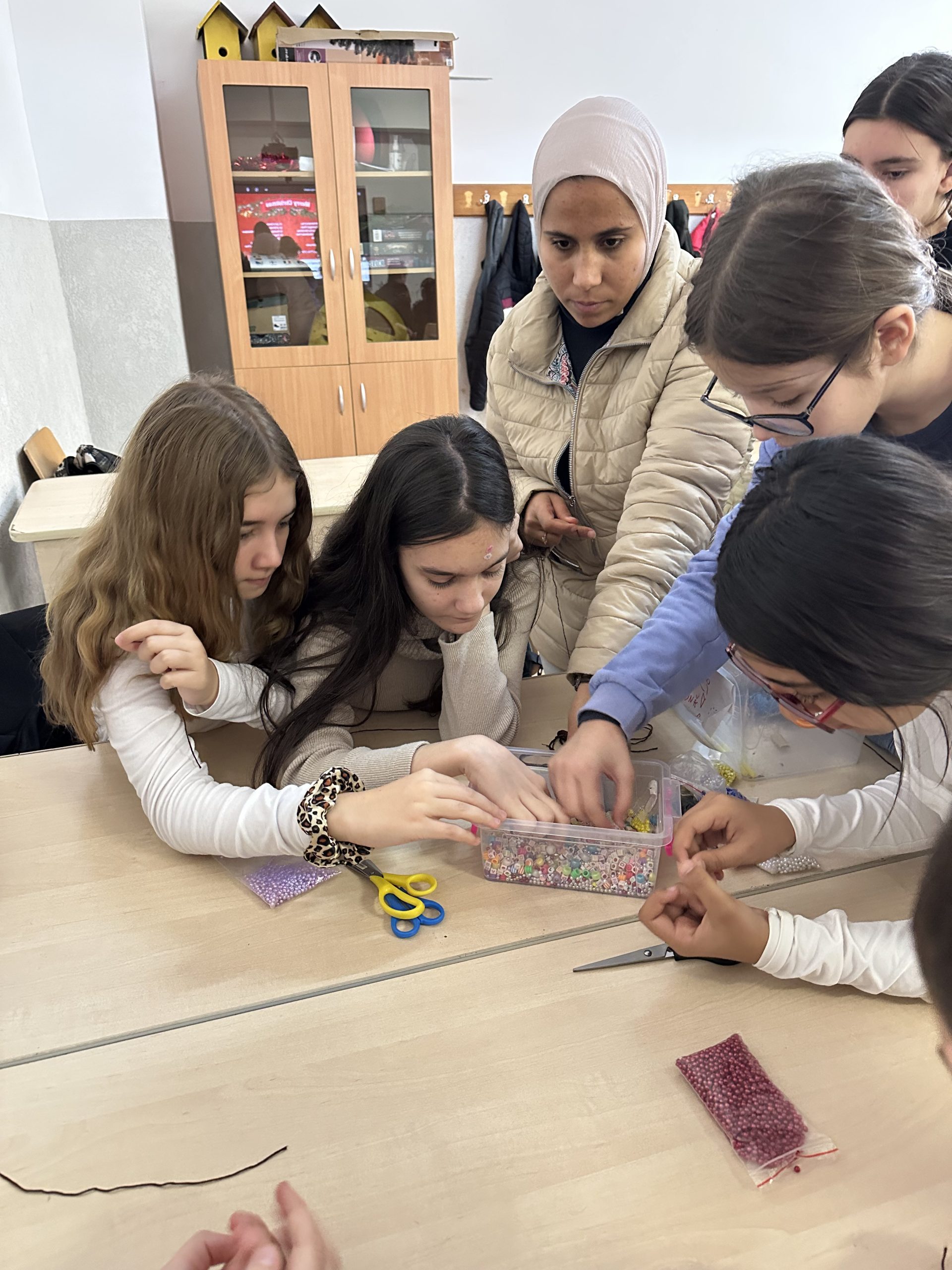
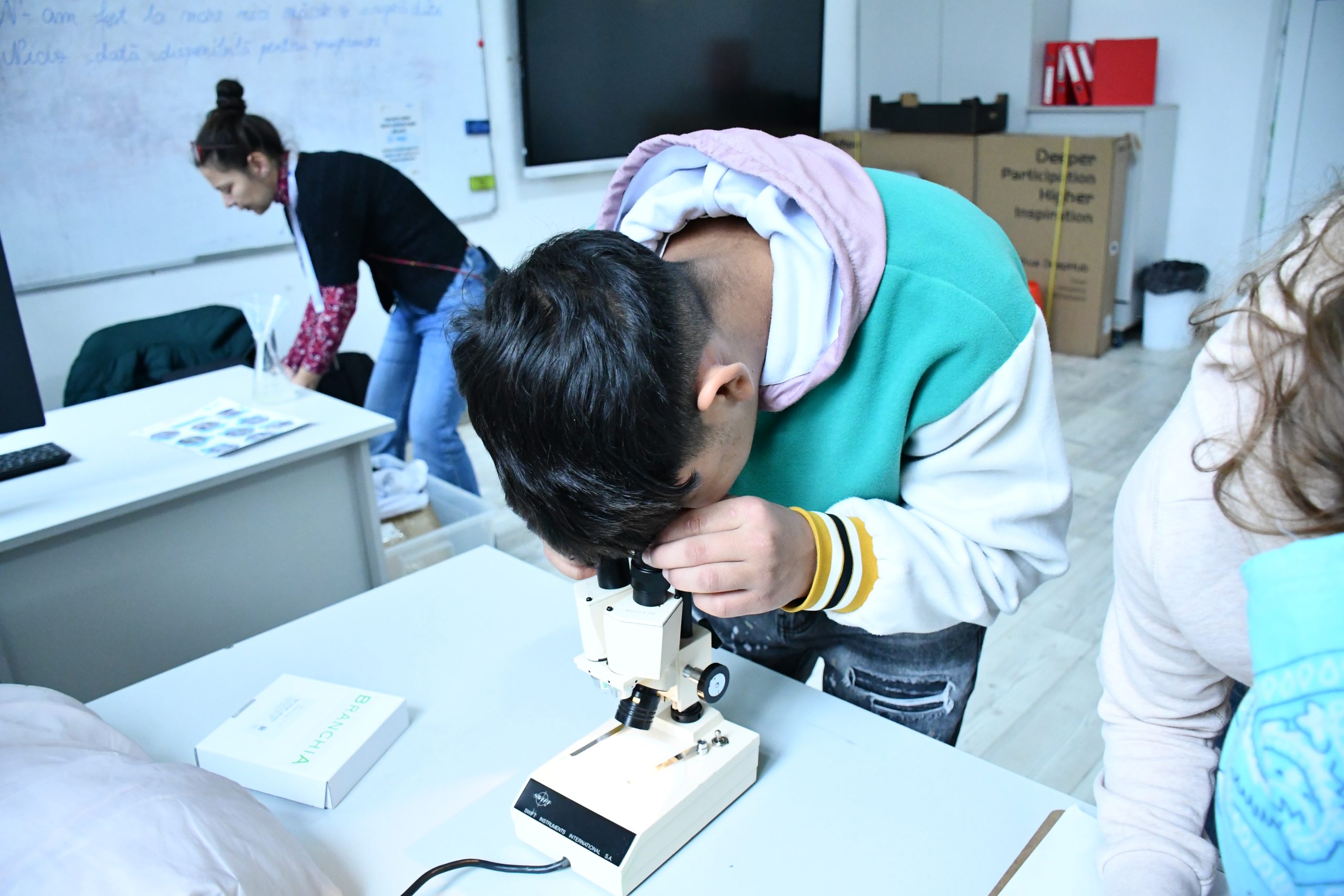
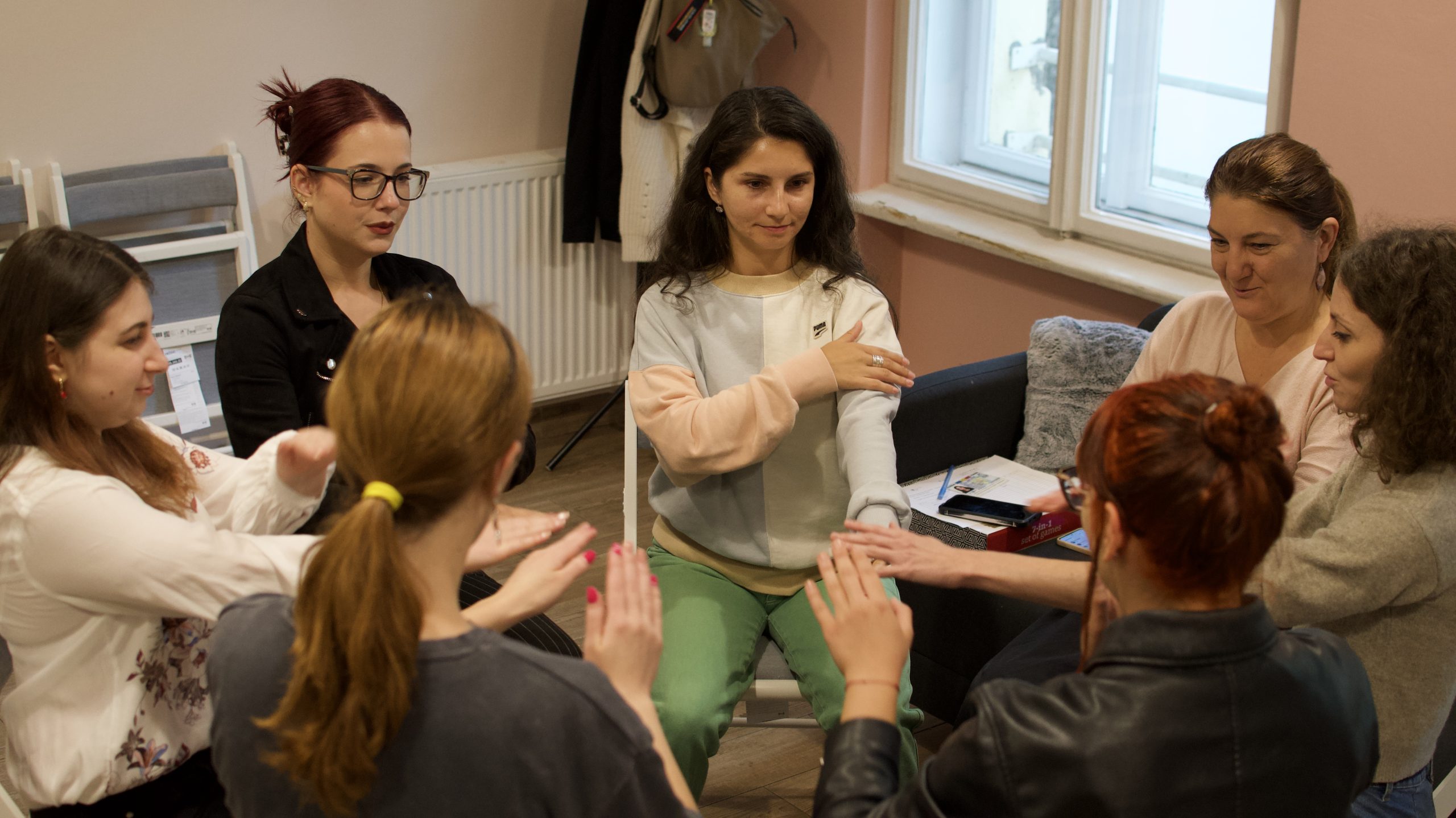
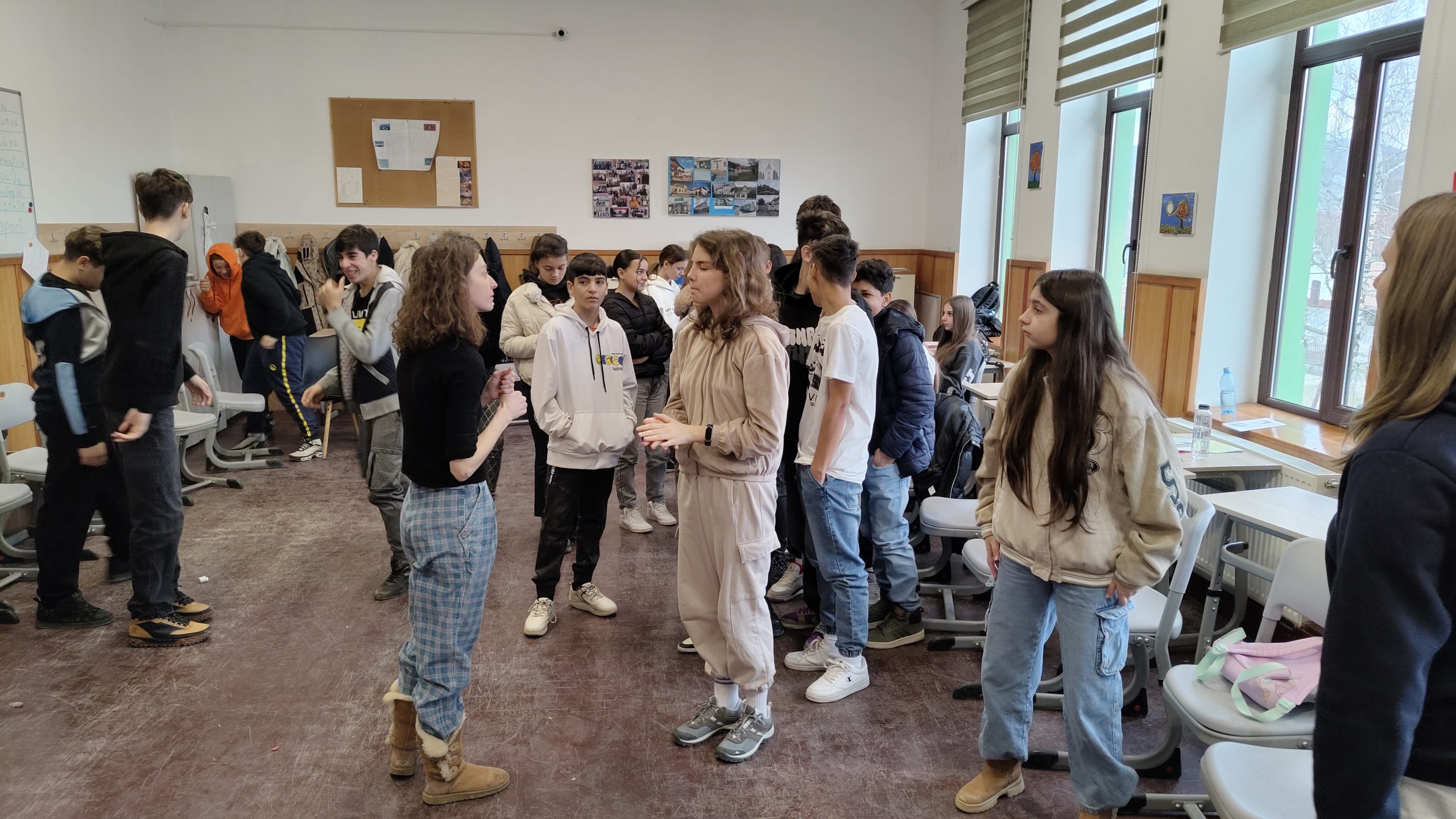
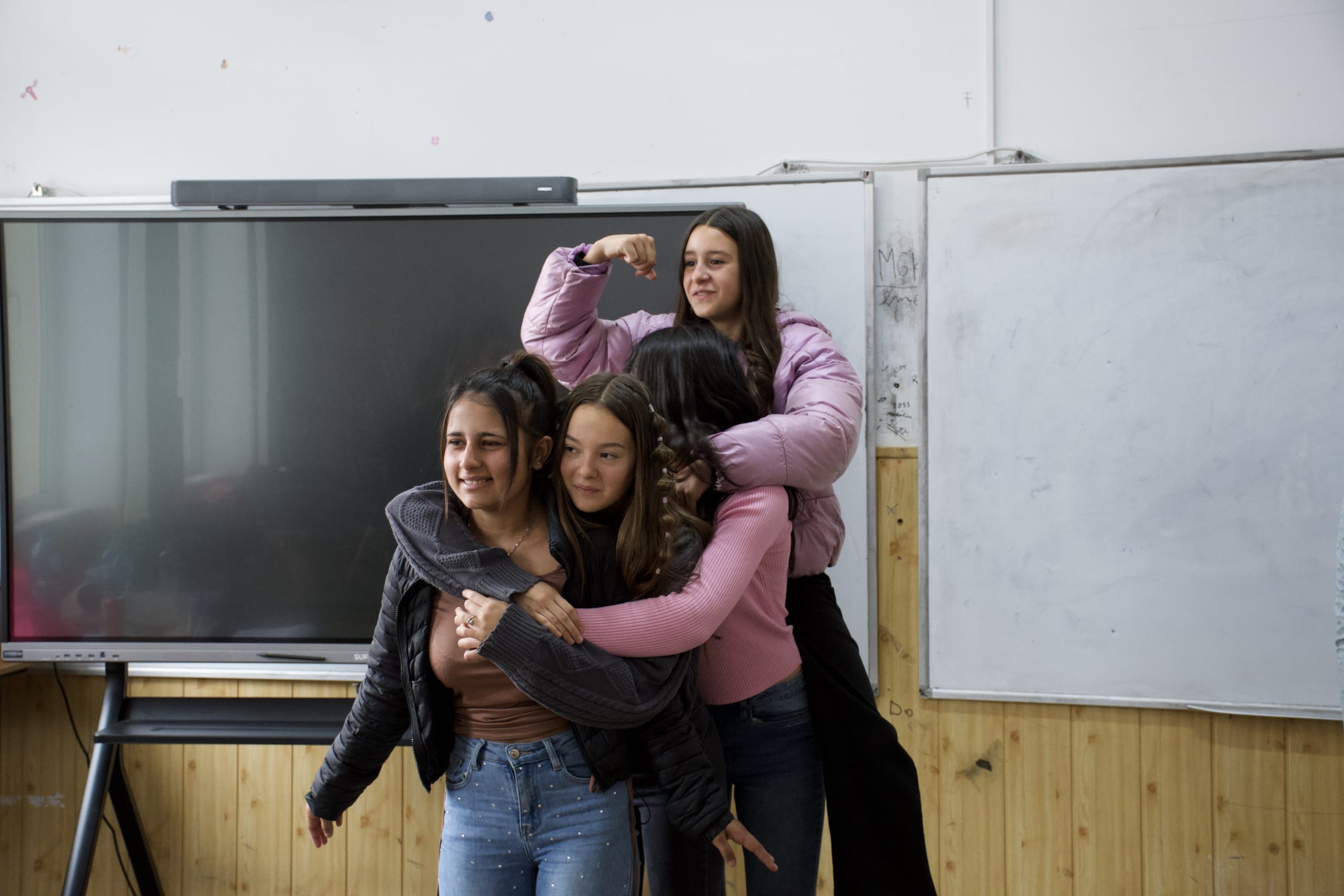
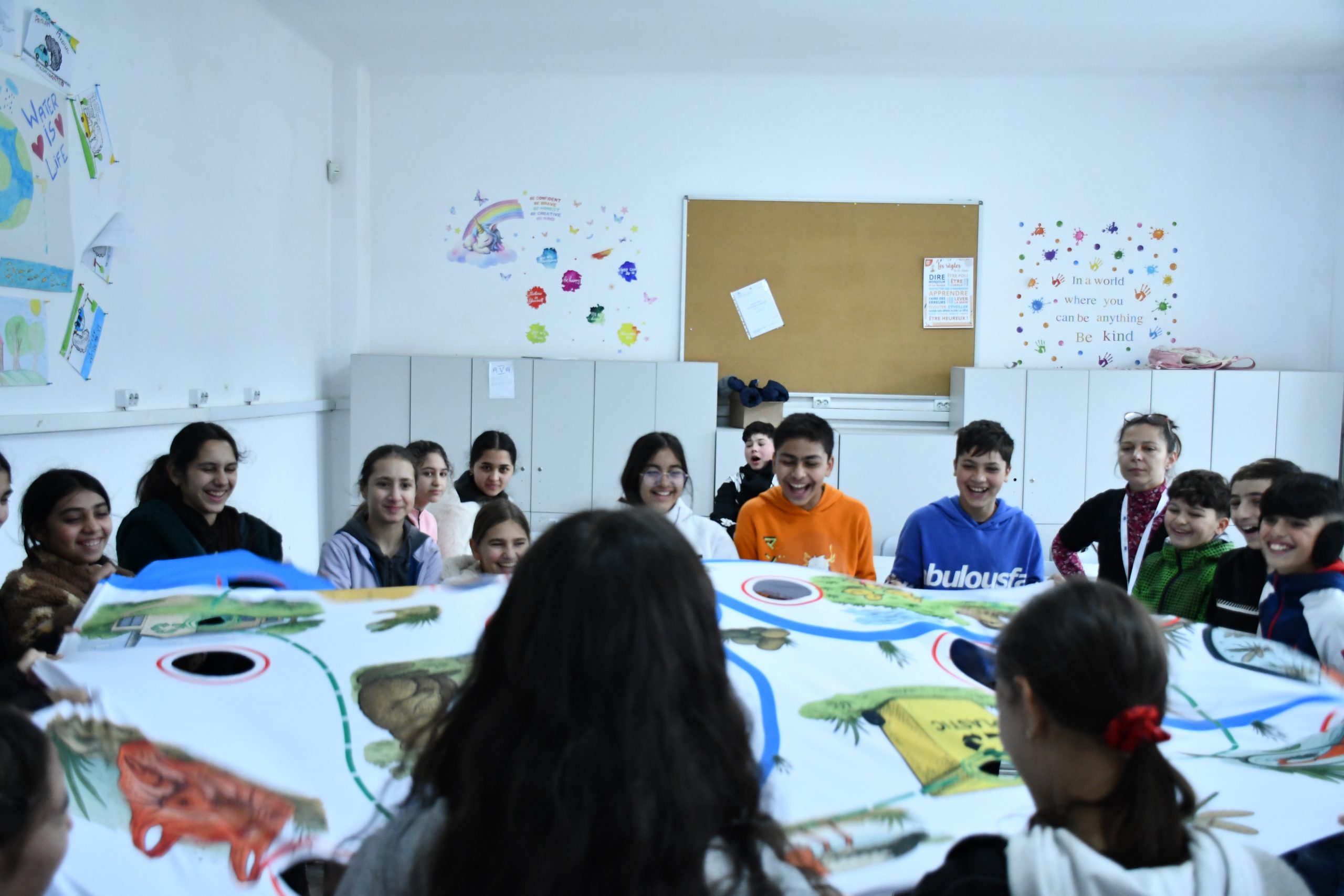
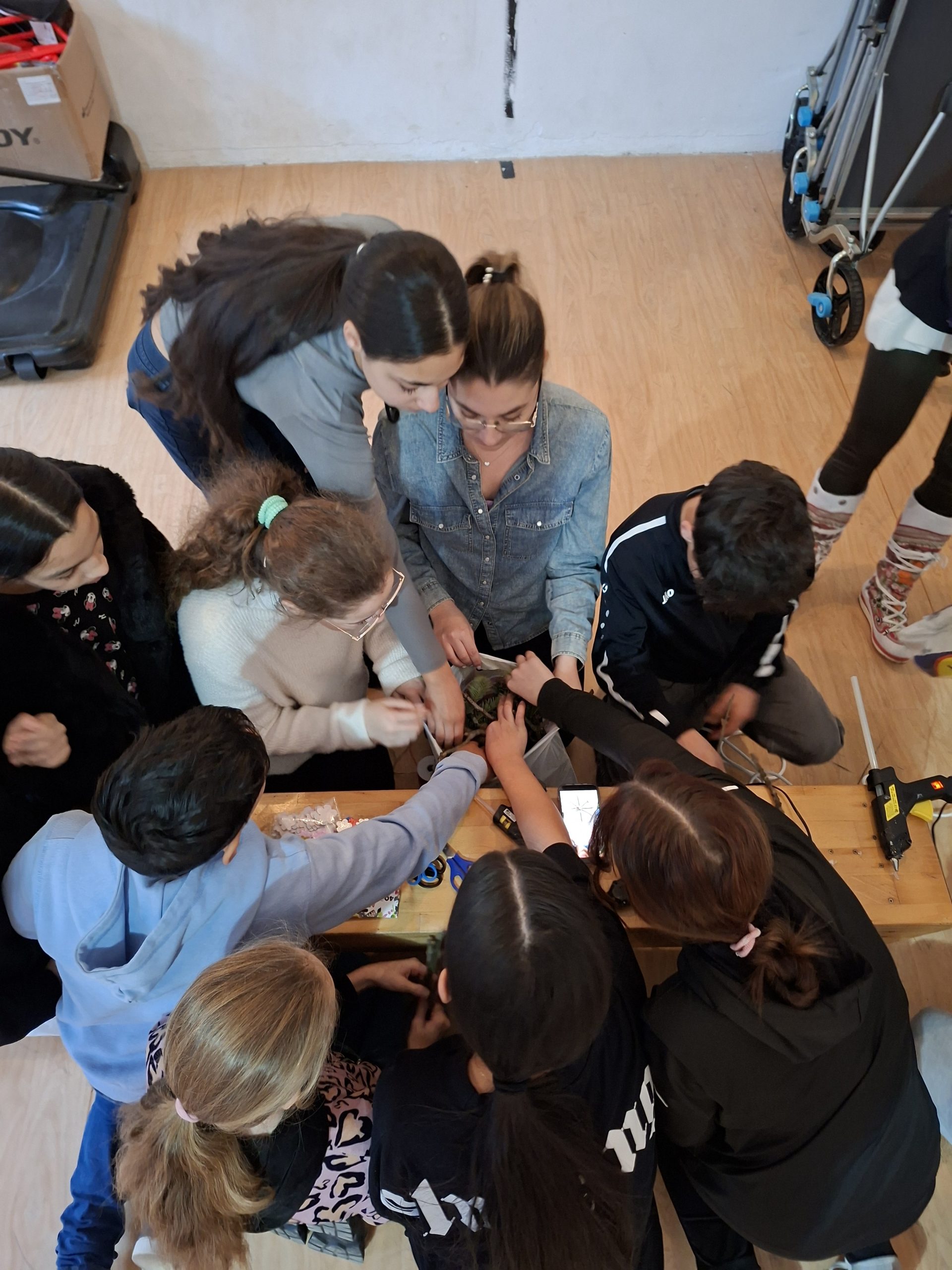
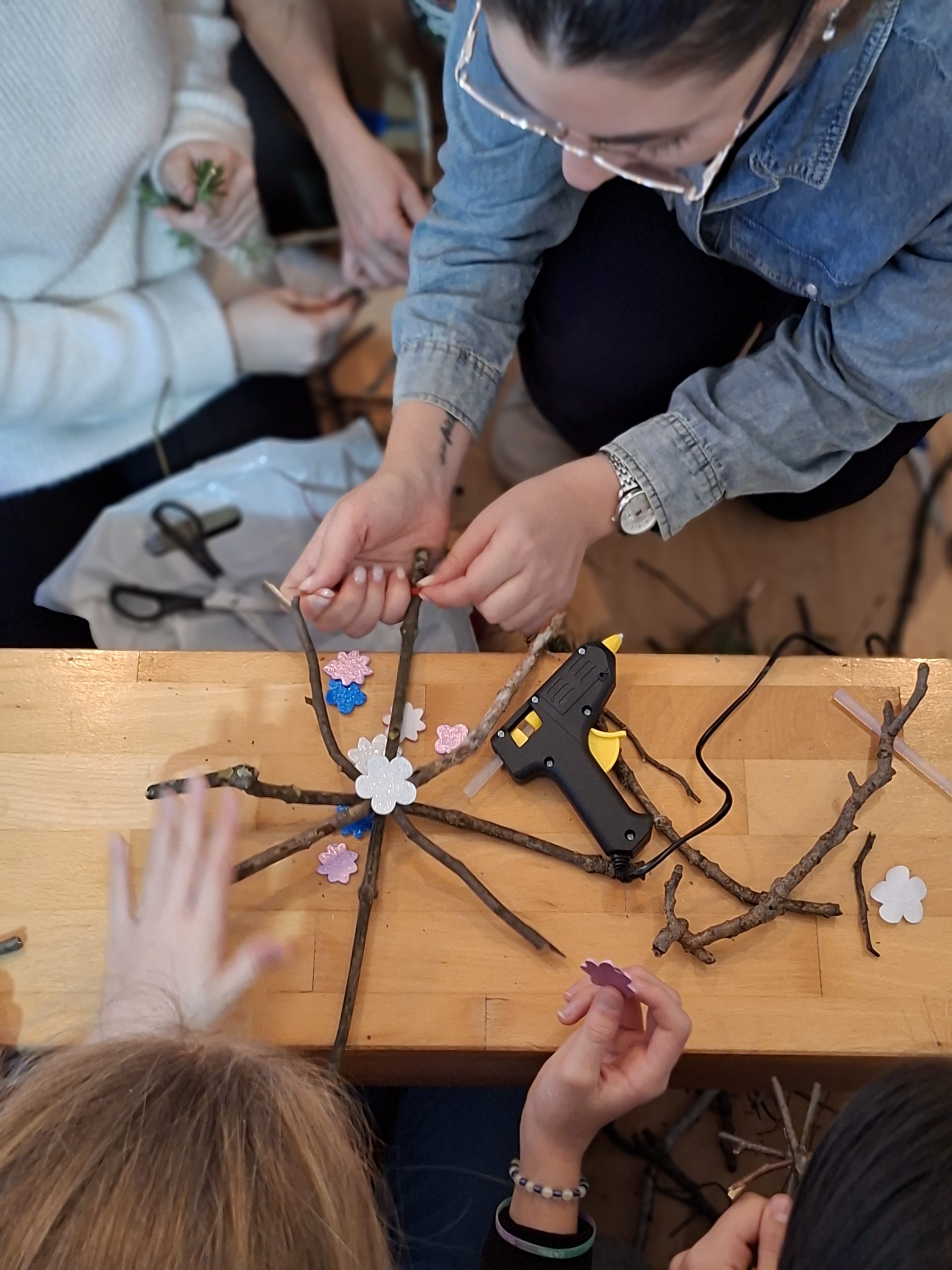
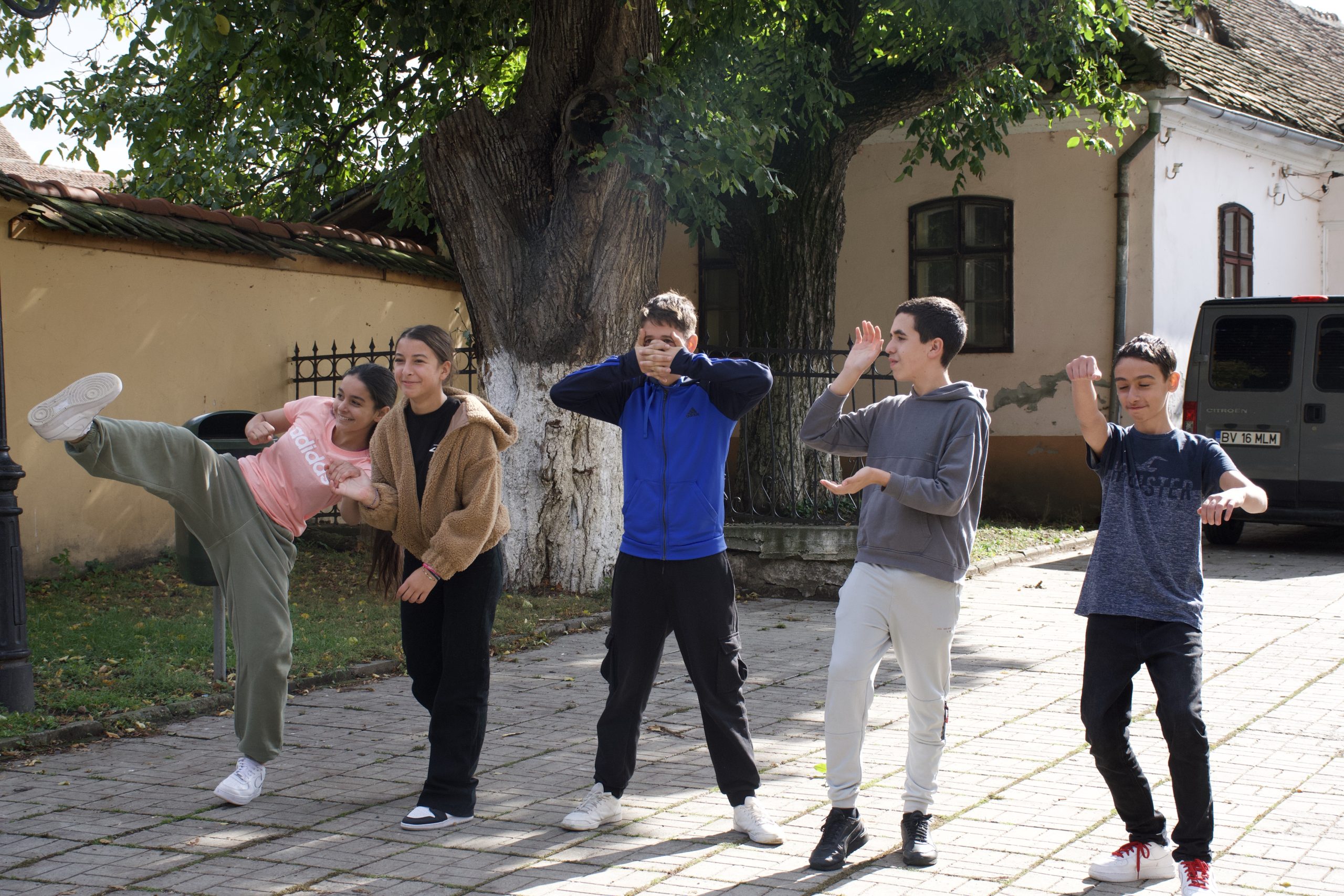
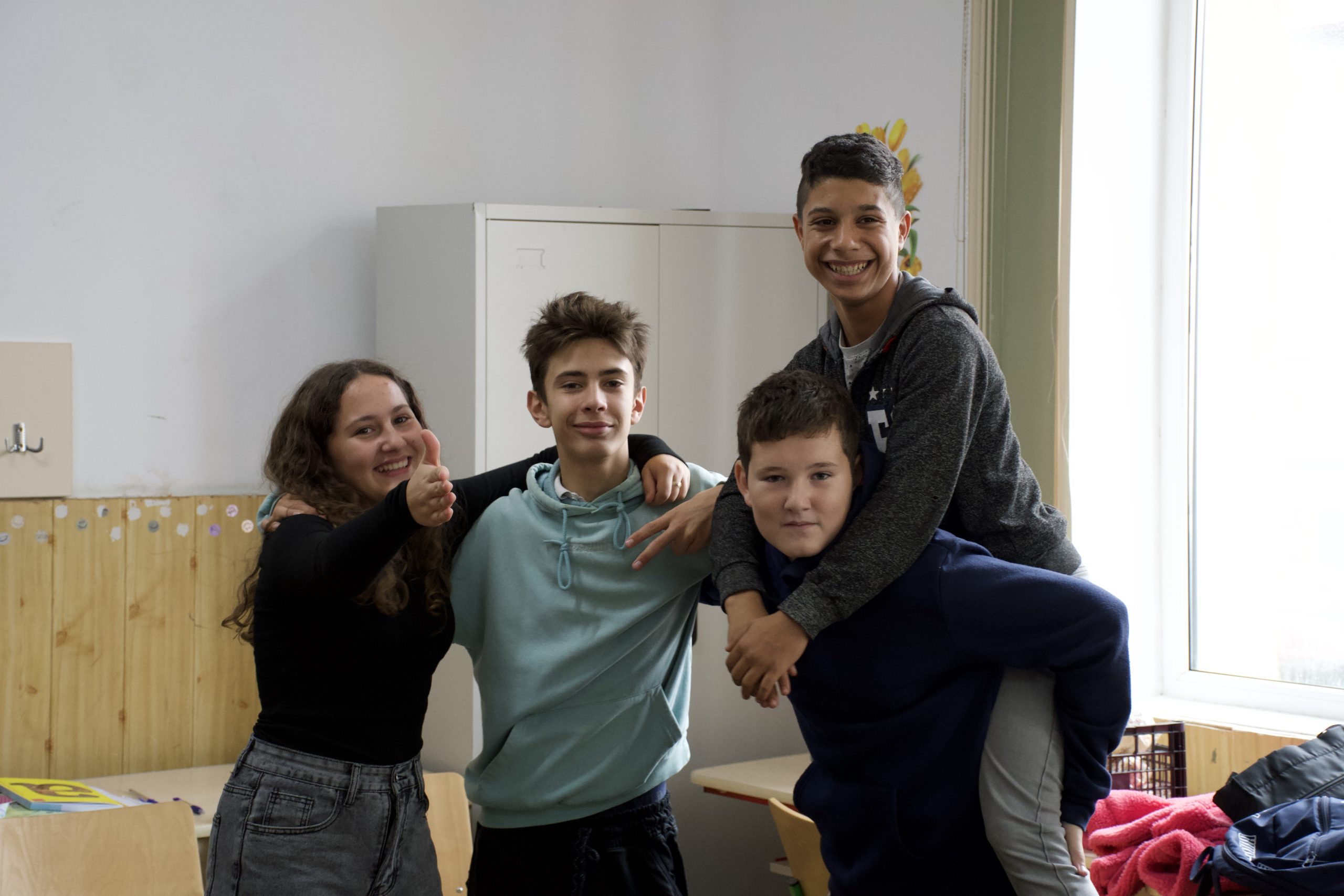
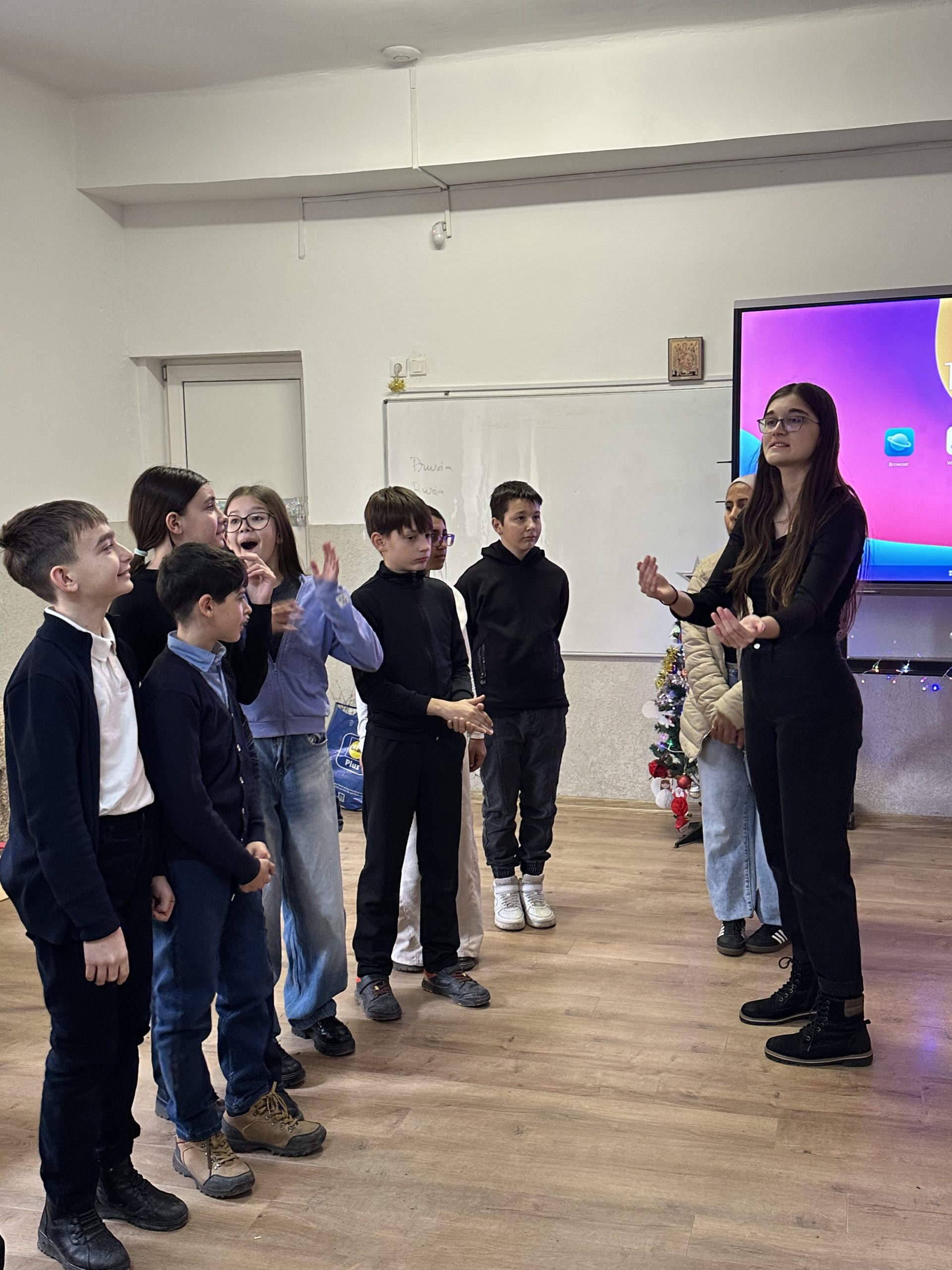
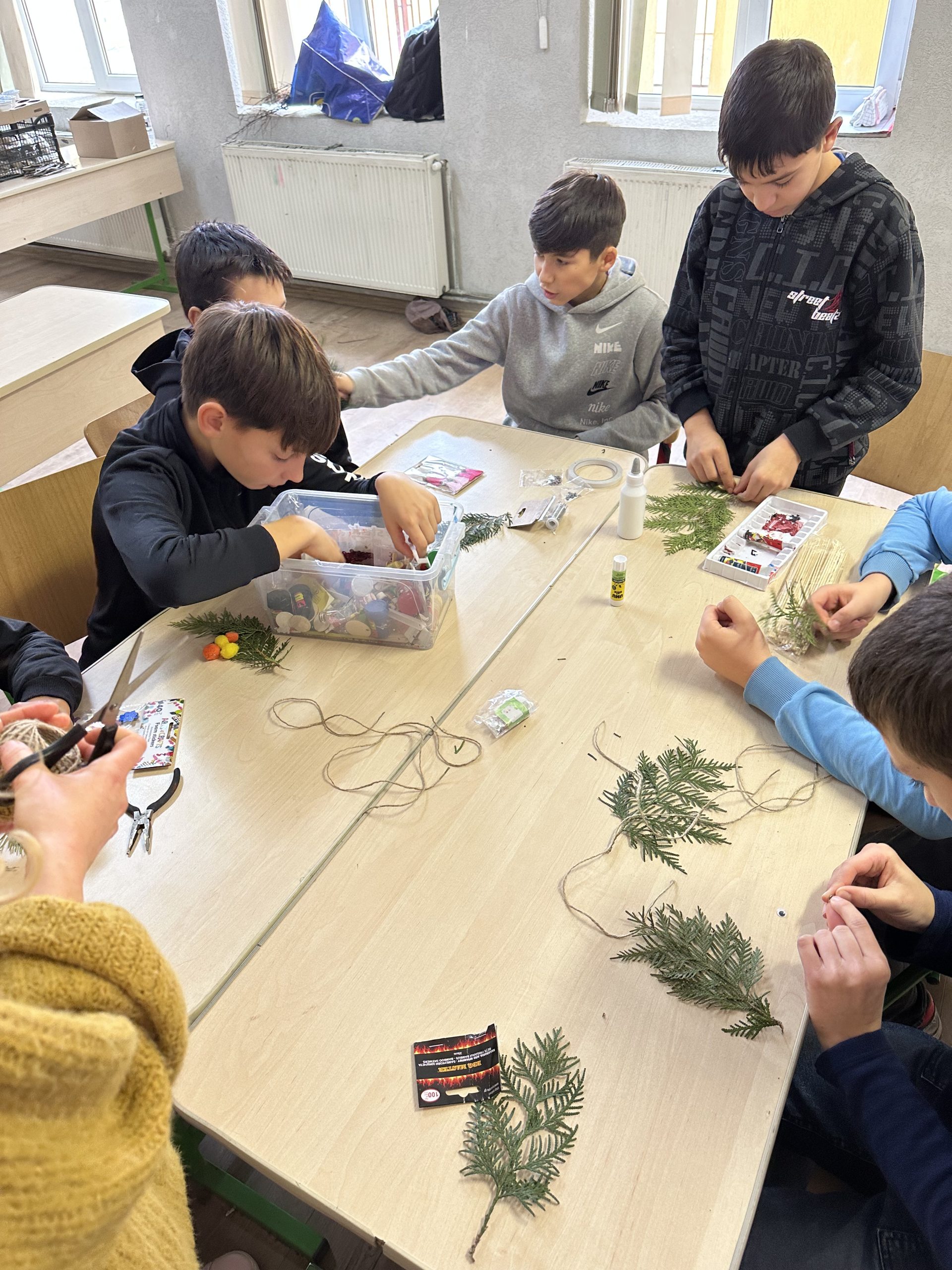
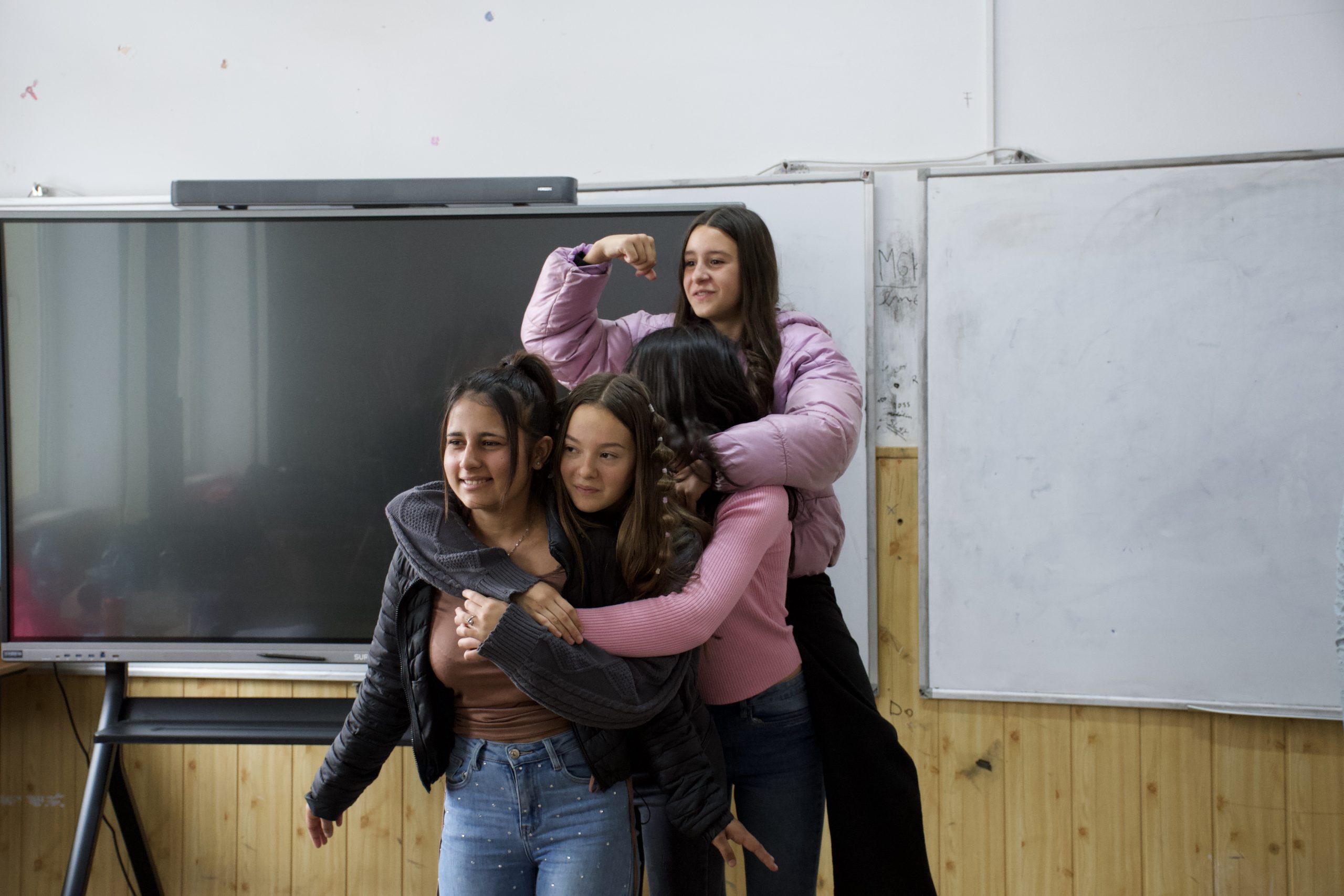
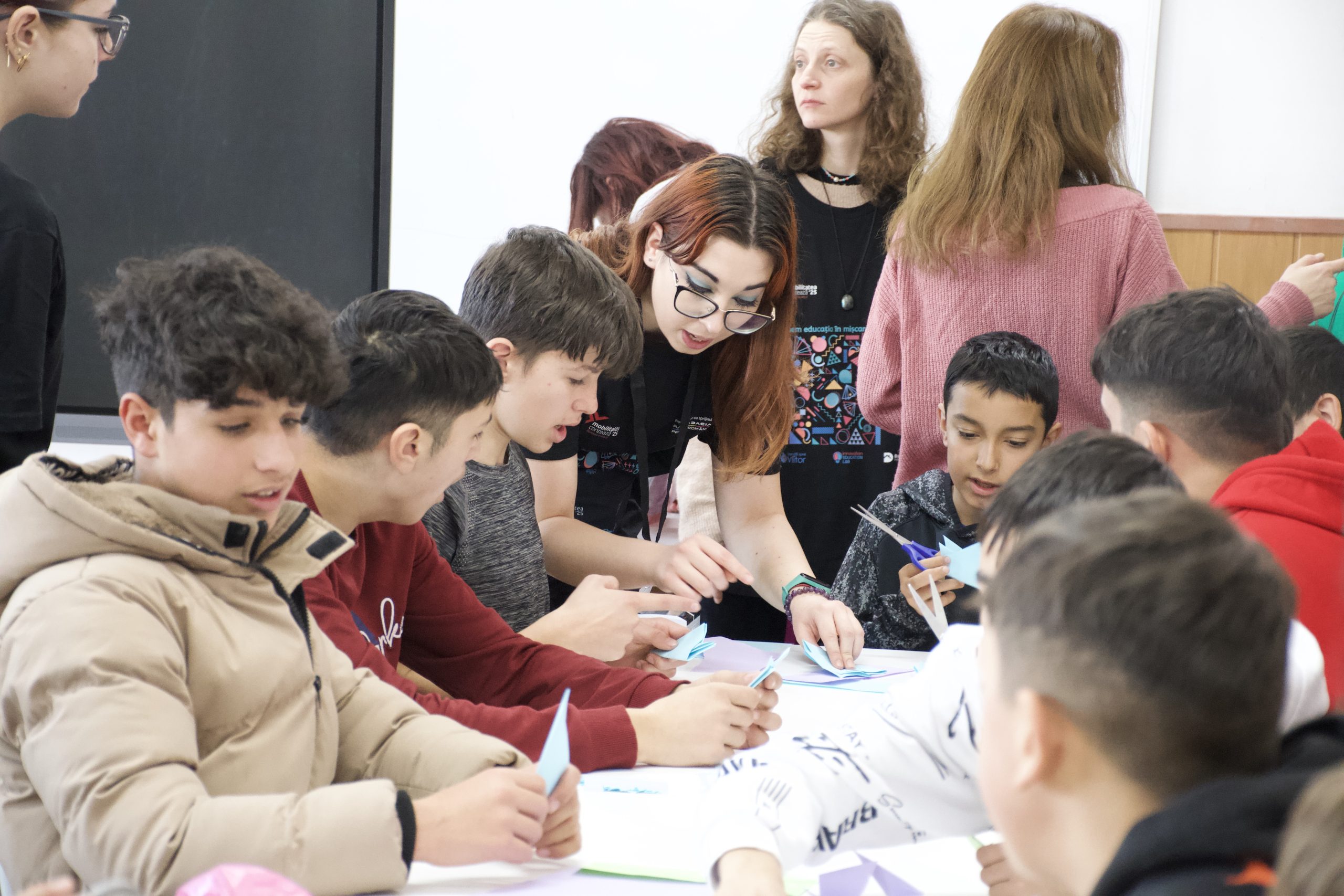
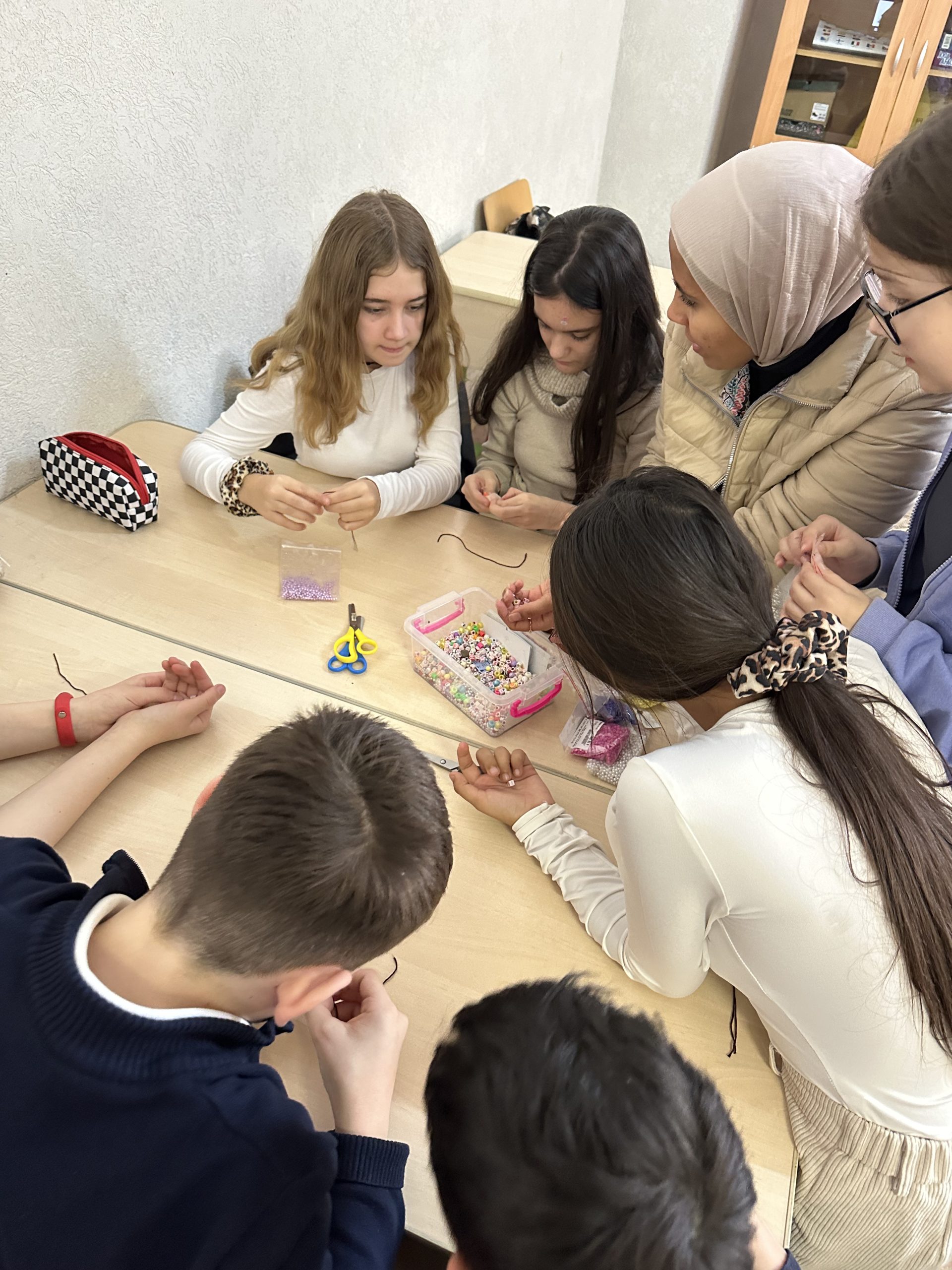
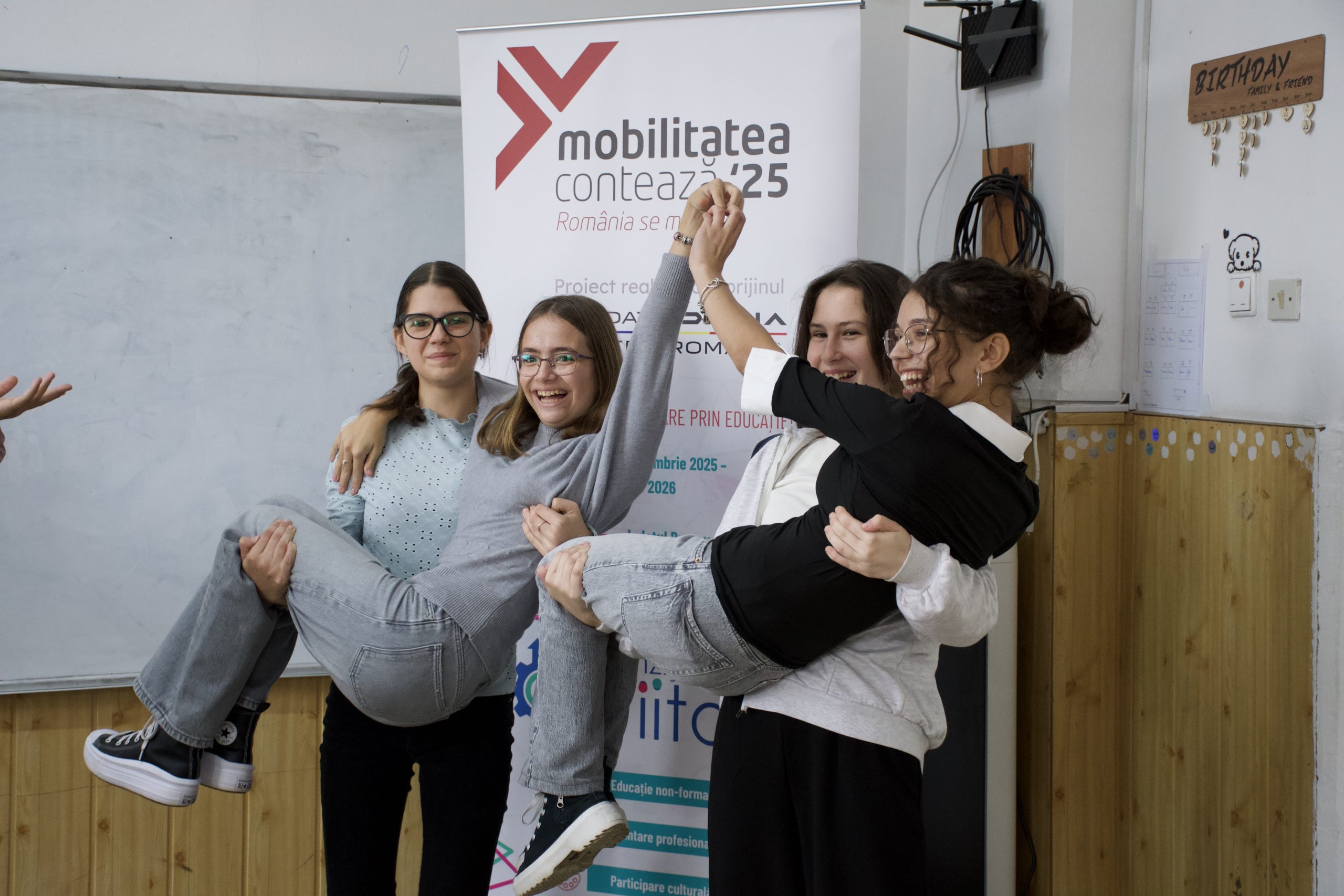
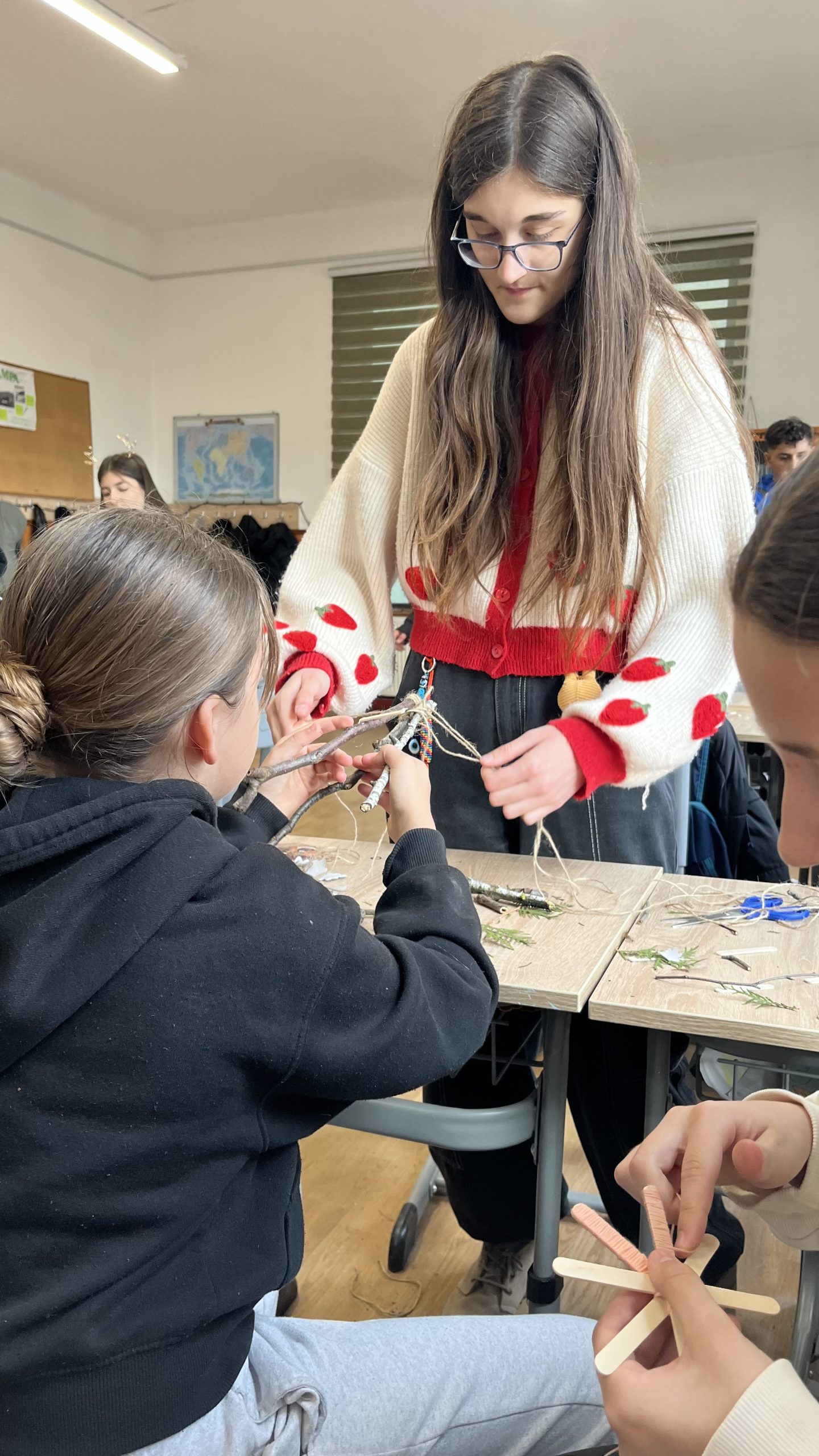
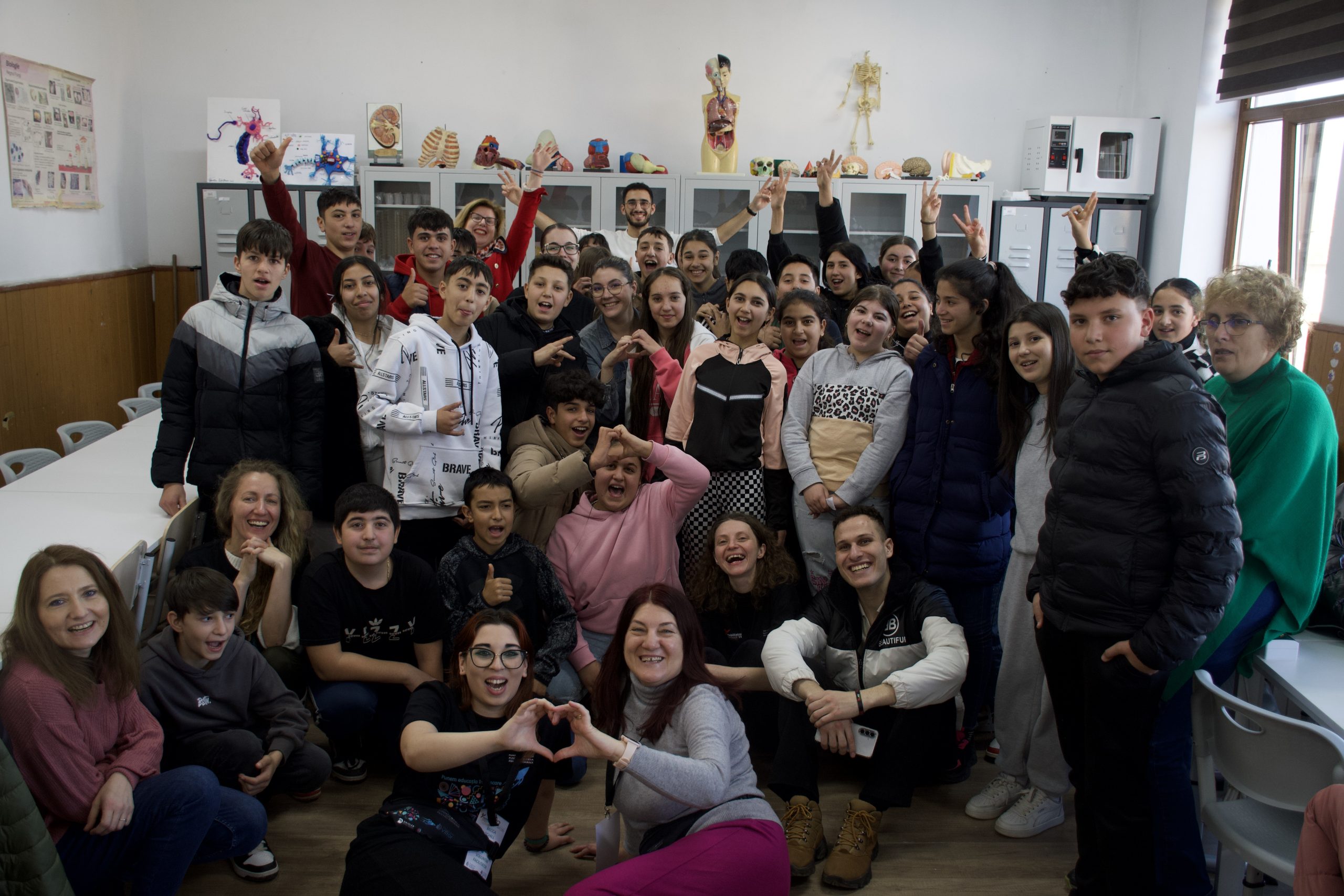
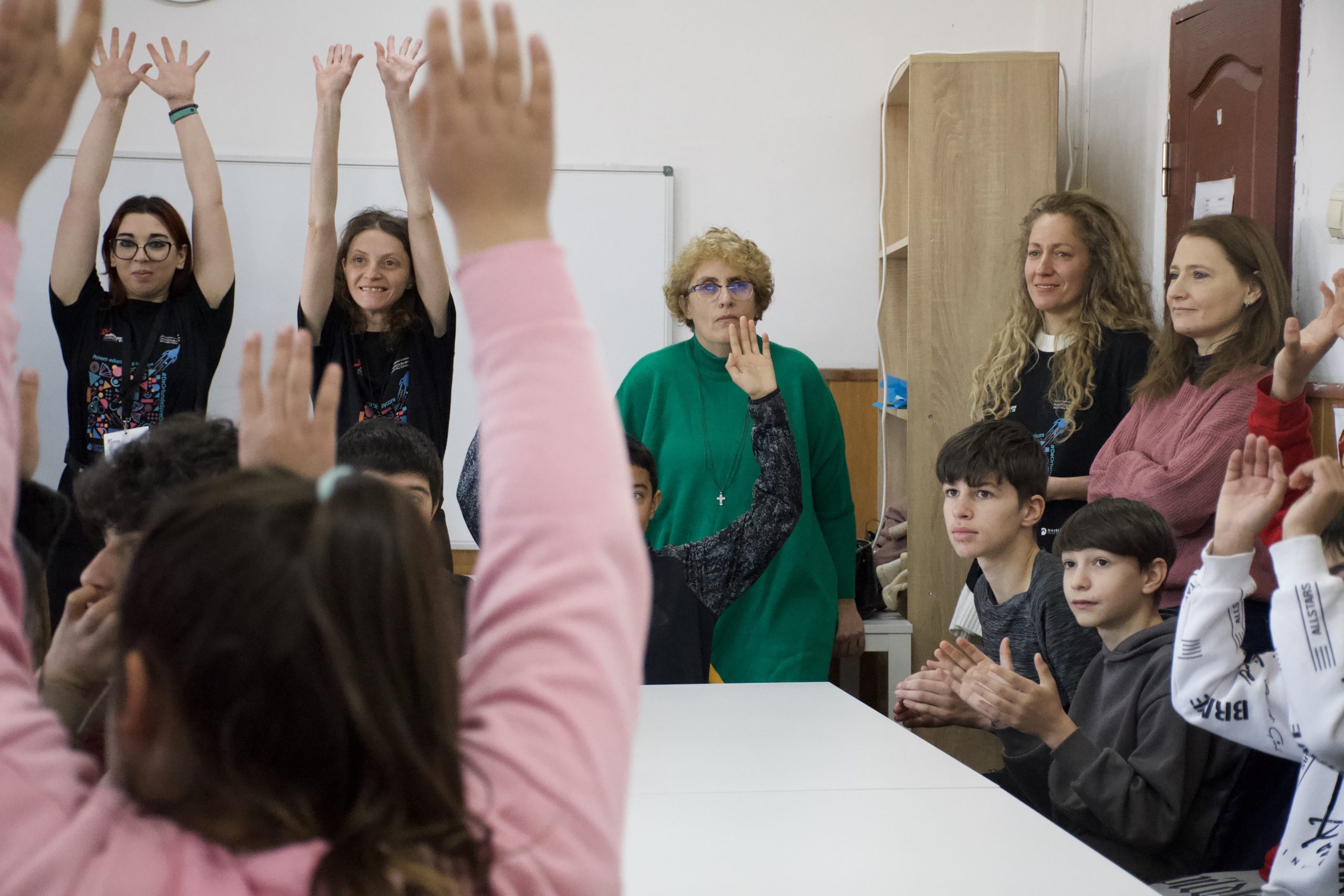
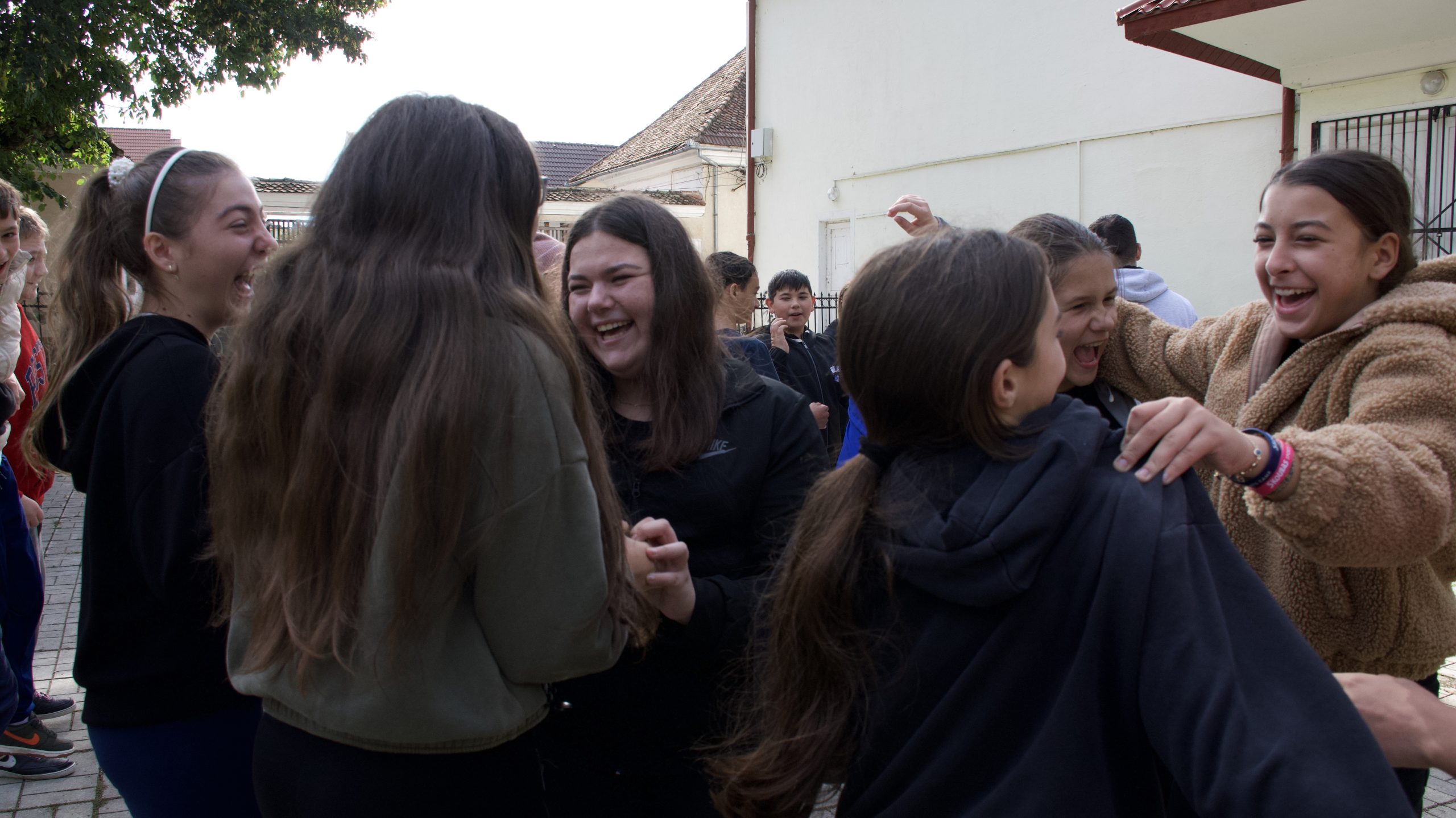
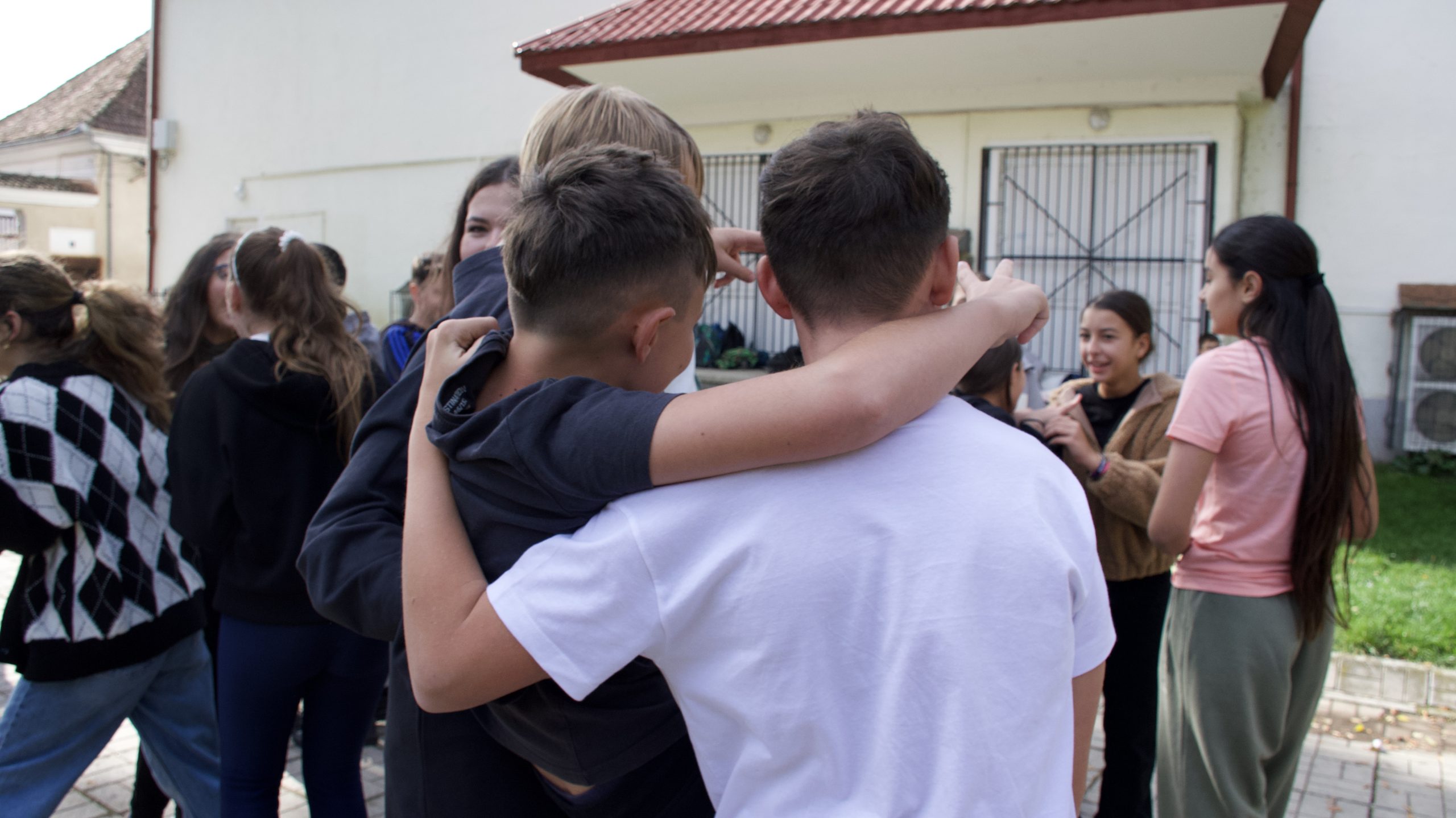
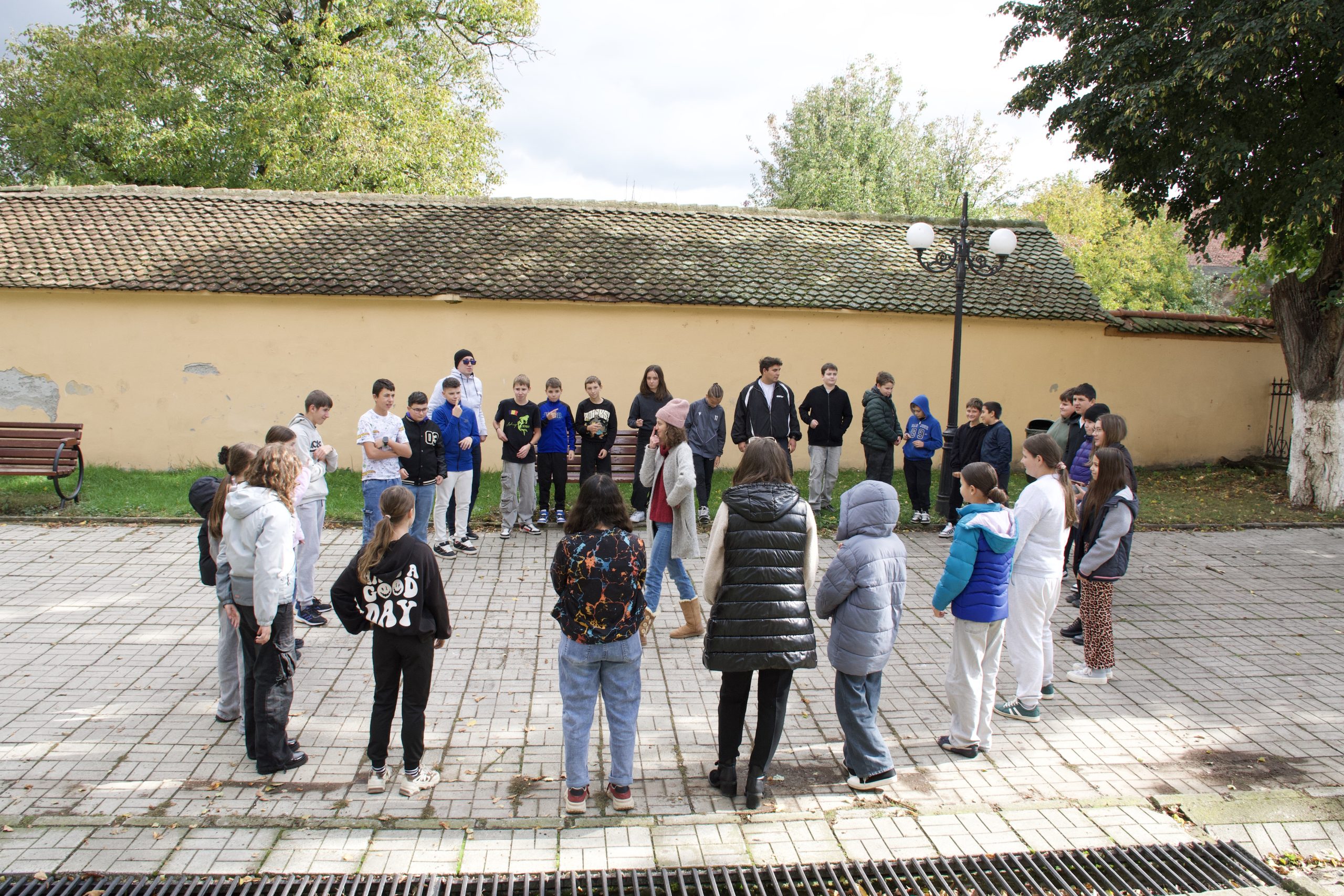
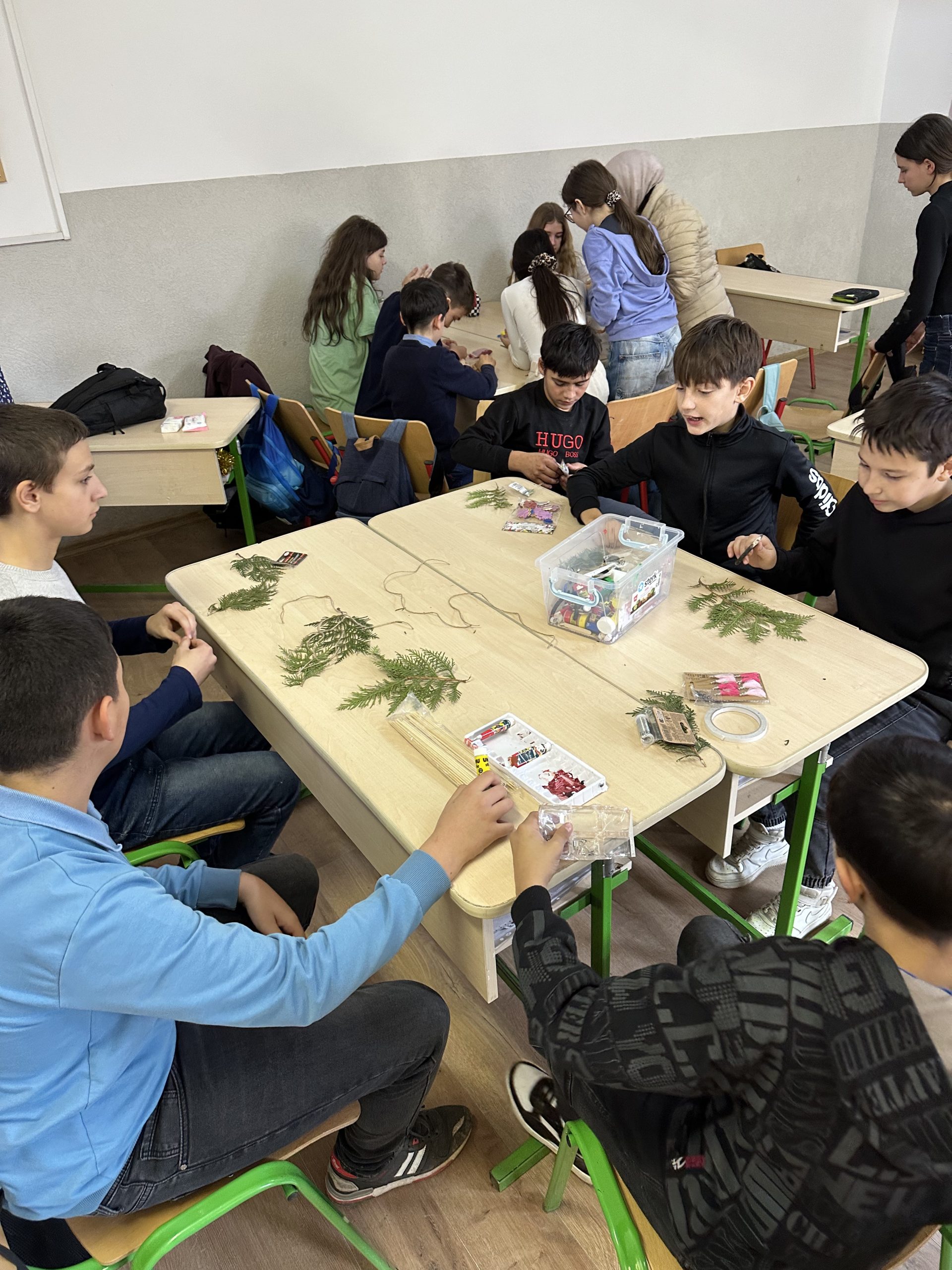
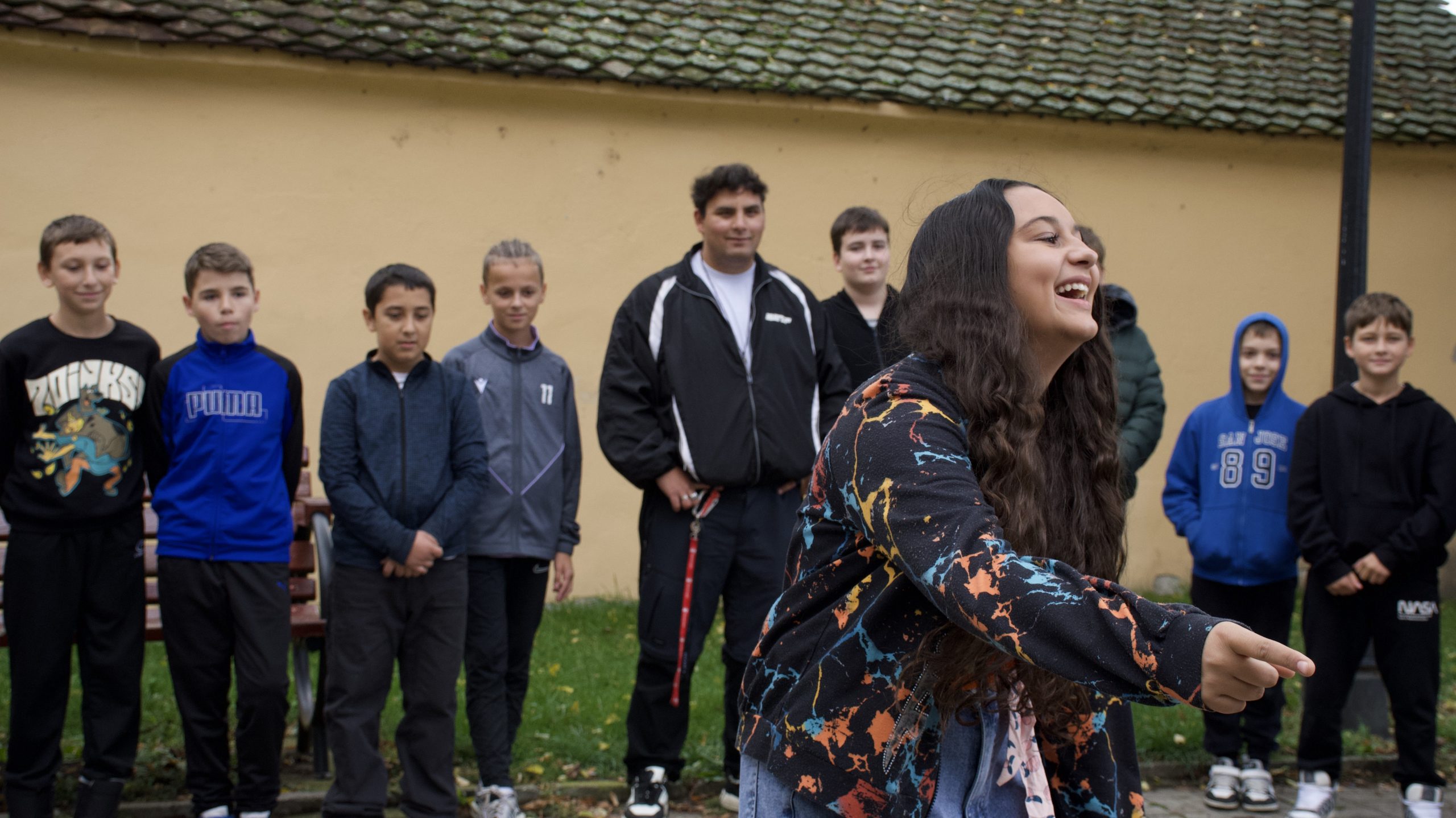
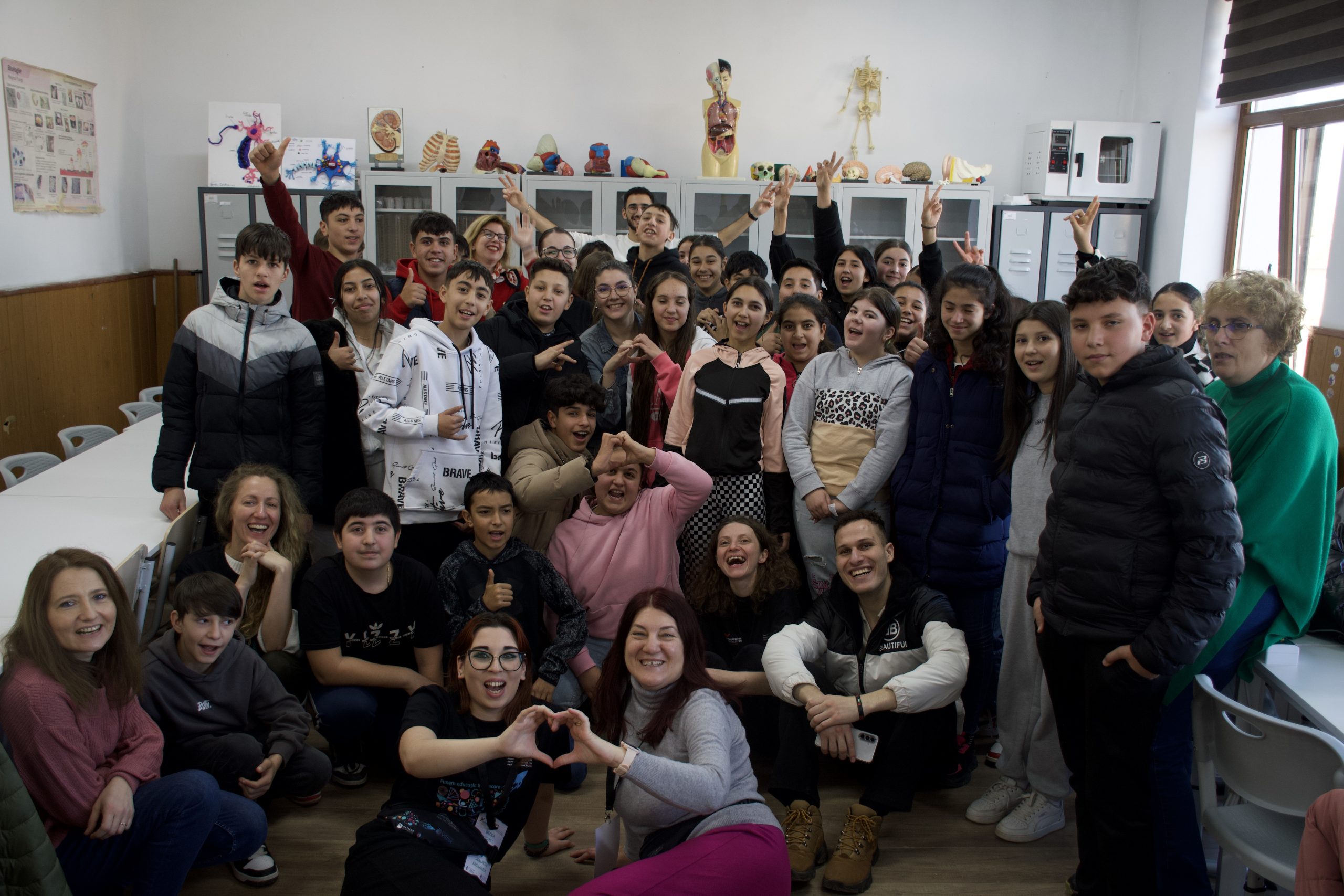
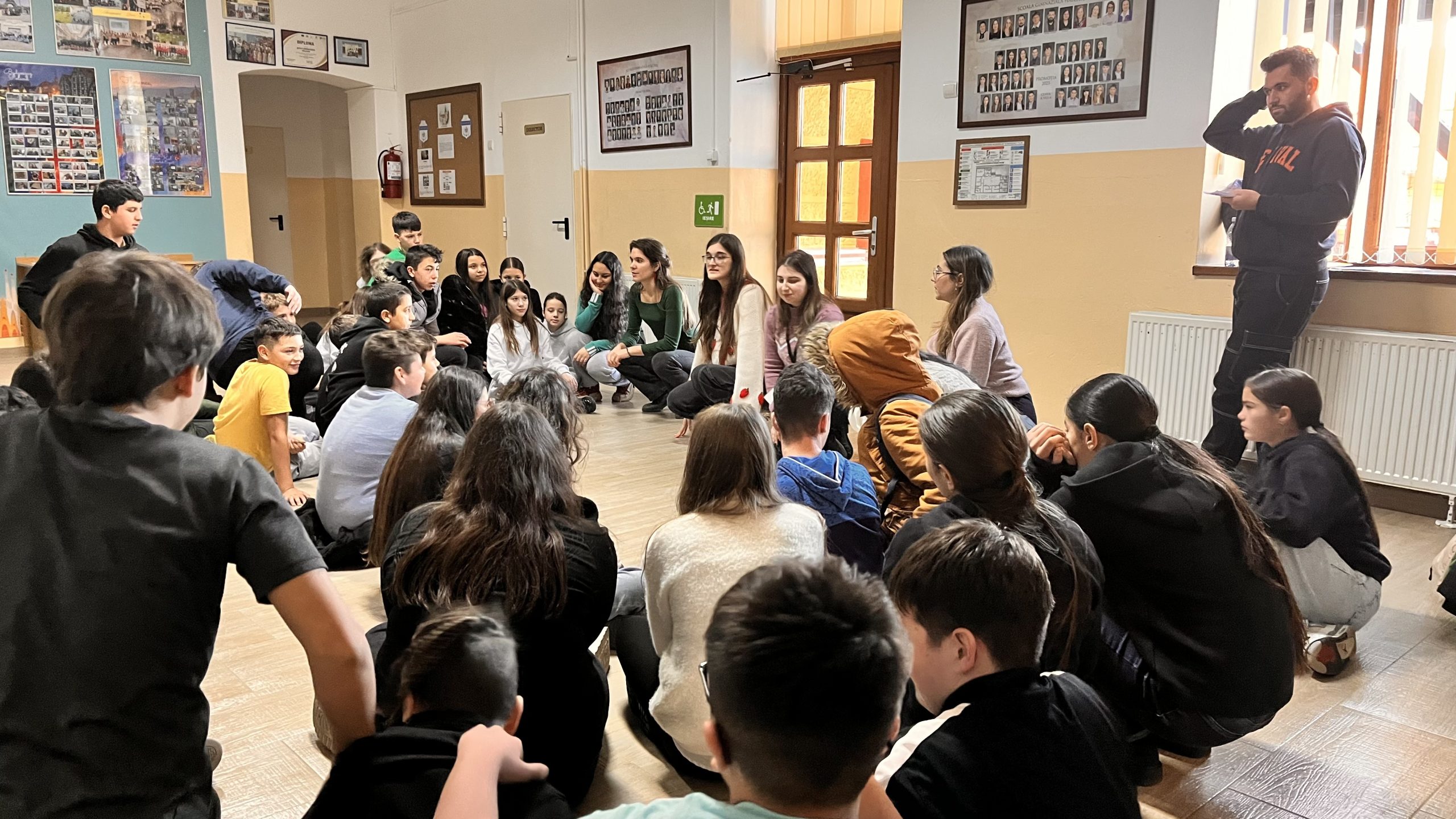
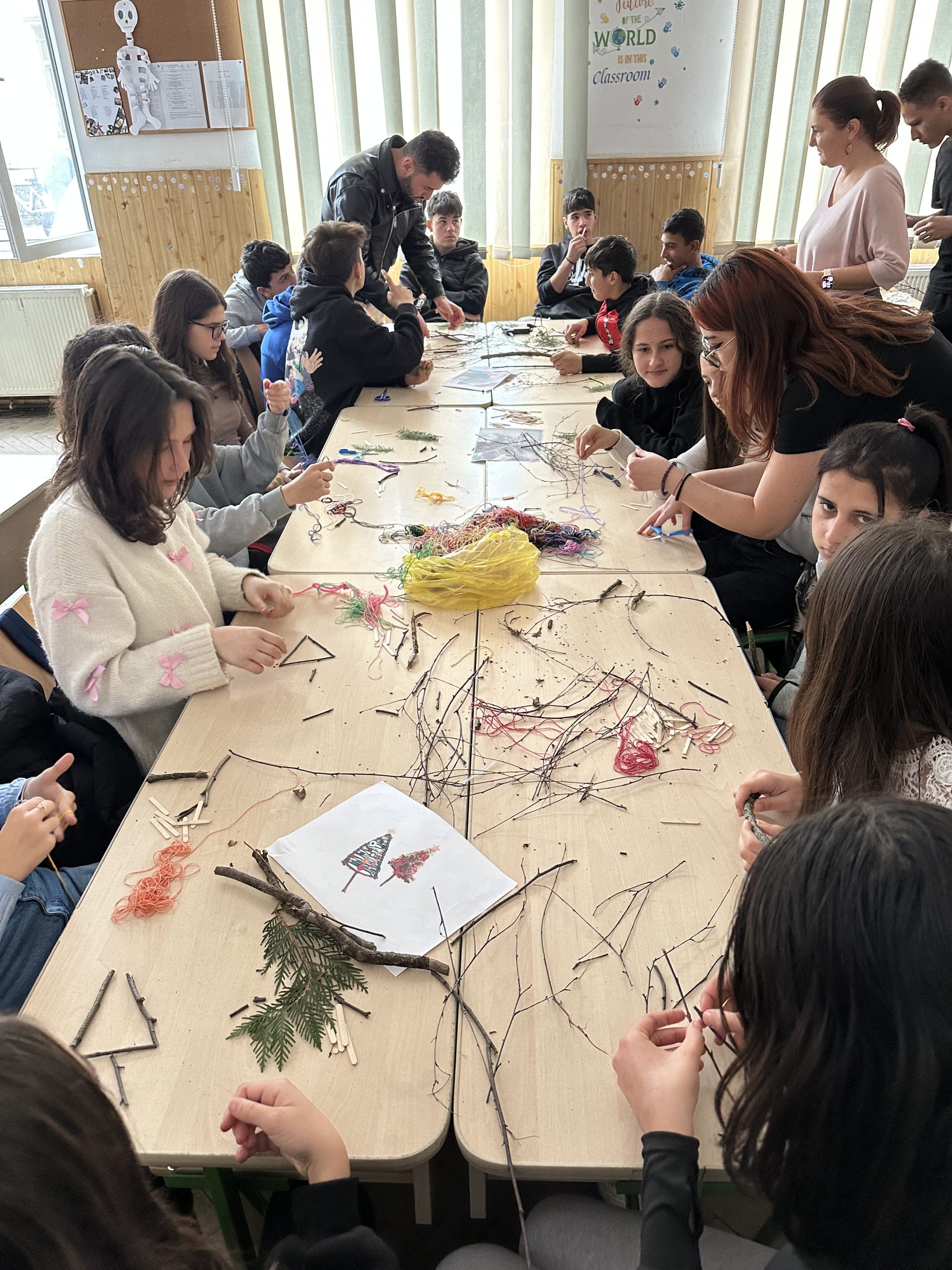
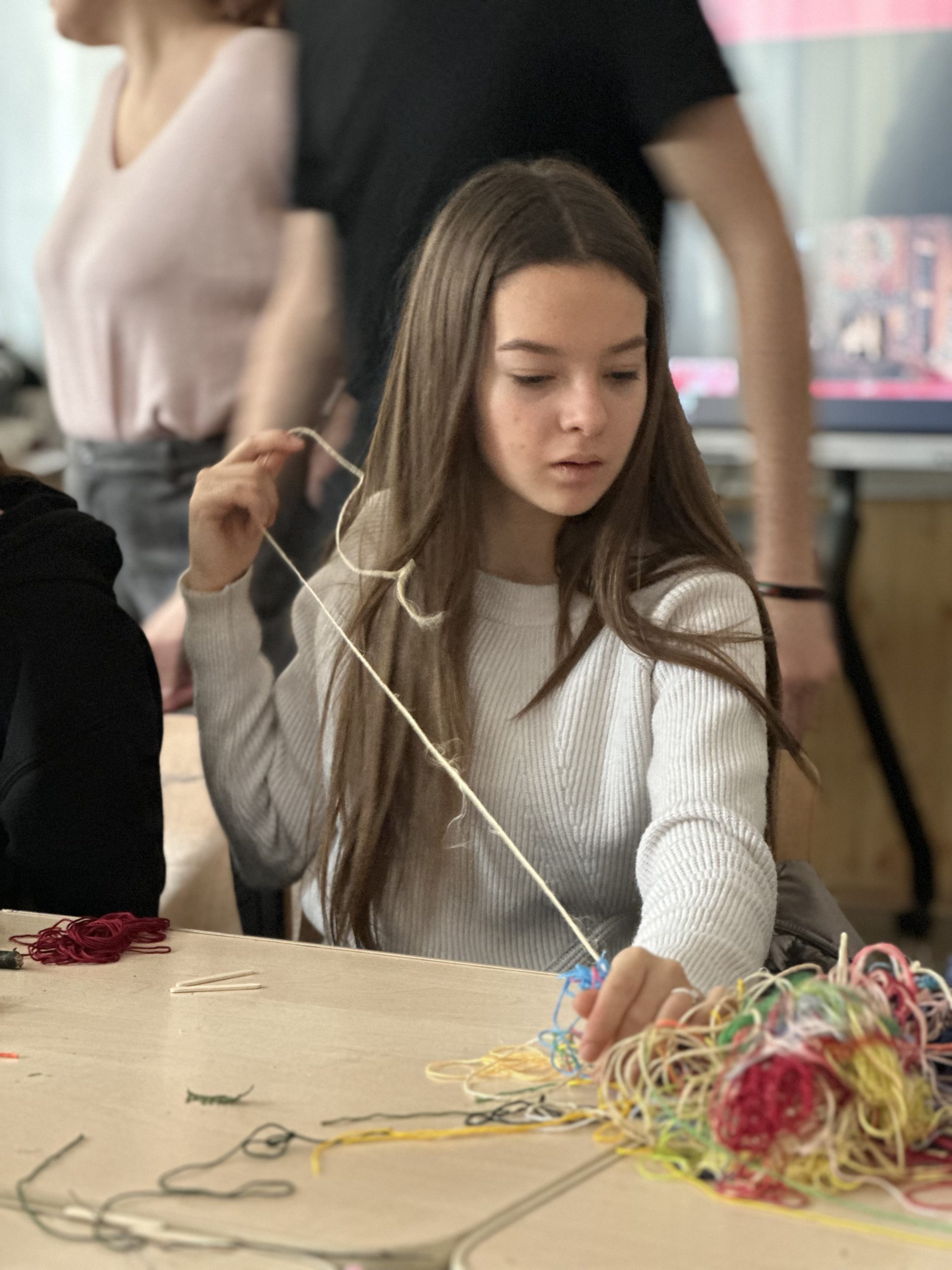
Over the course of 10 months, the students participated in six soft skills workshops—“Let’s Get to Know Each Other,” “Focus on Goals (SMART),” “How Do We Communicate? + Arts & Crafts,” “Problem Solving,” “Learn to Learn” (featuring a Human Library session with international ESC volunteers), and “How Do We Make Decisions?”—each lasting about two hours and held at partner schools.
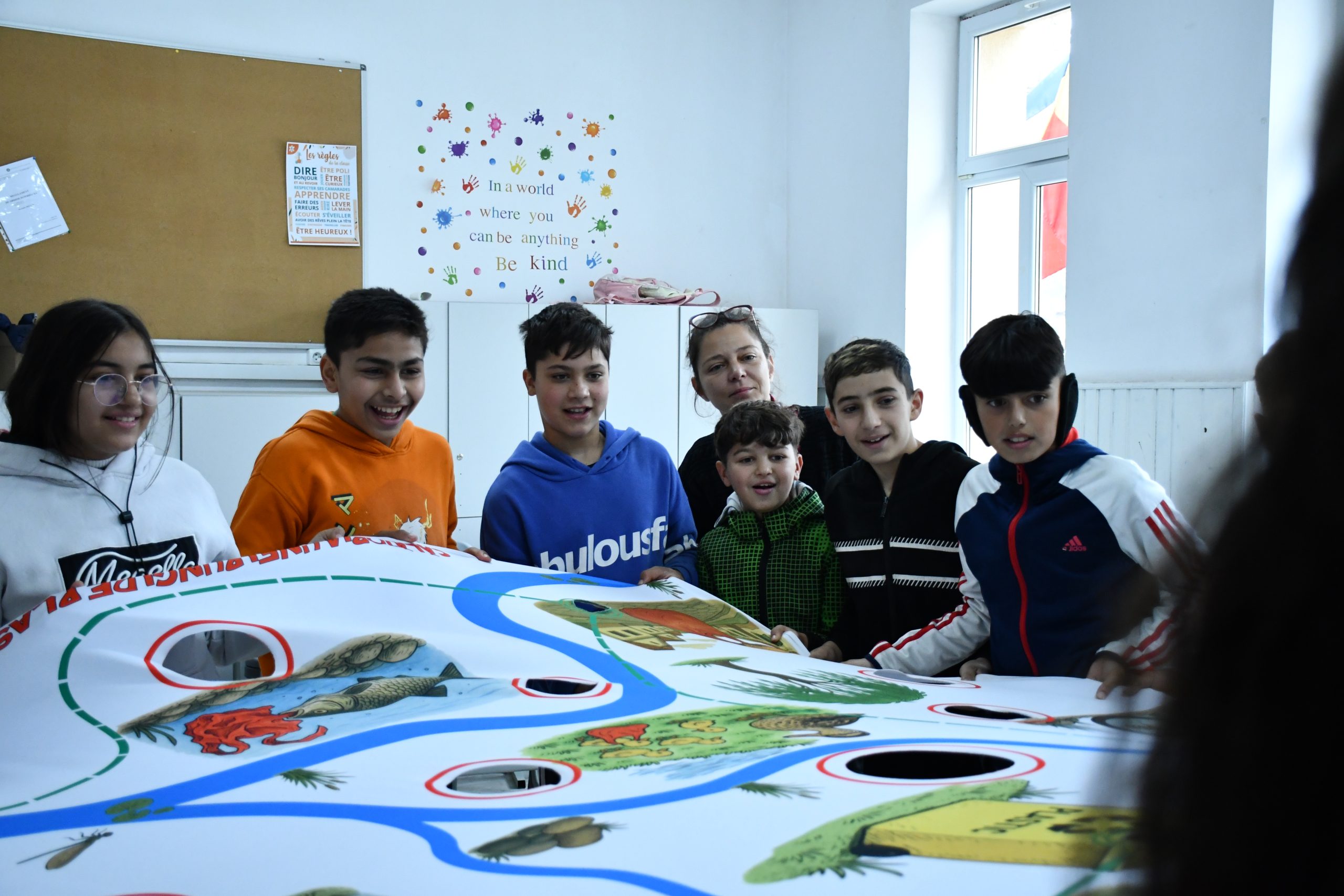
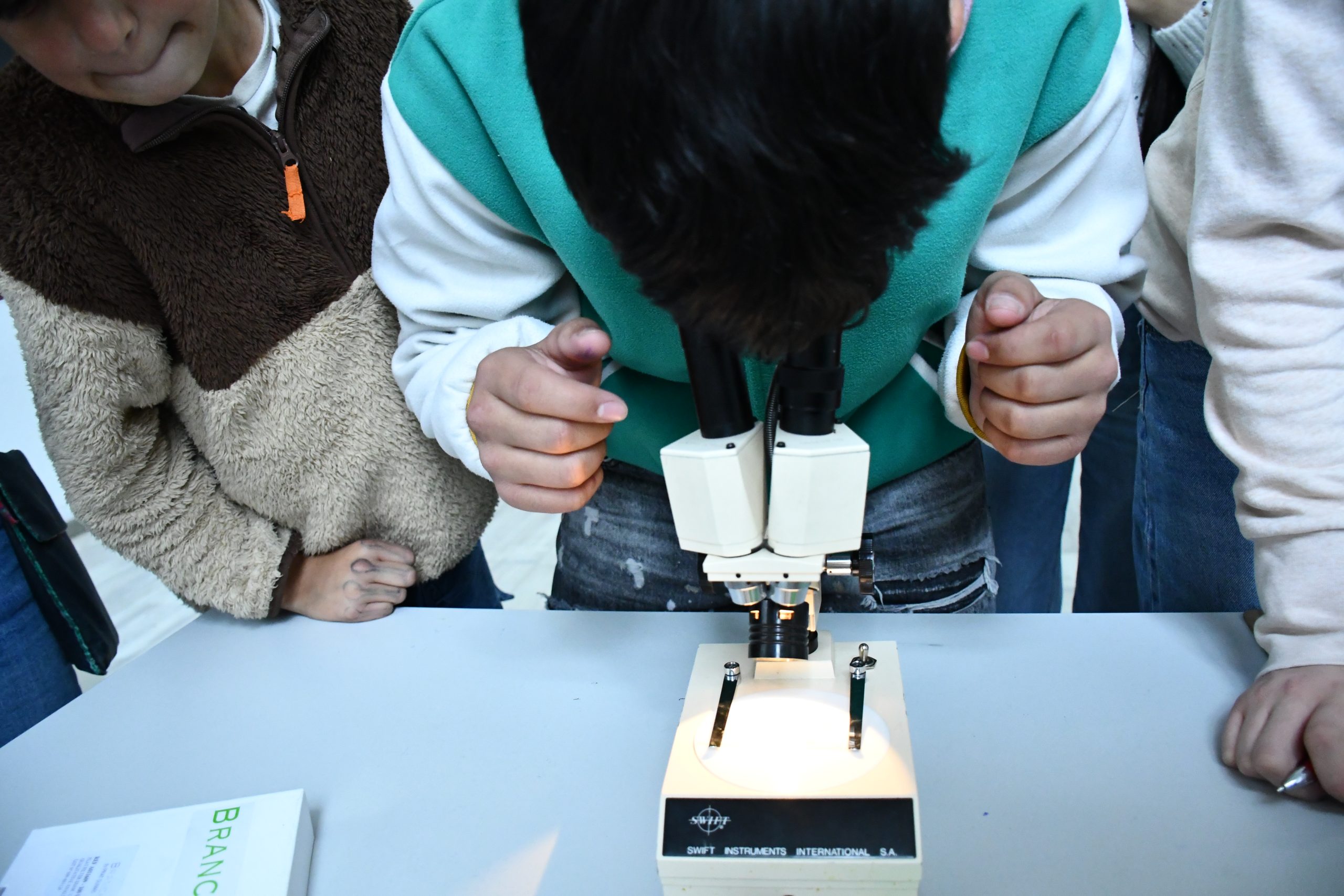
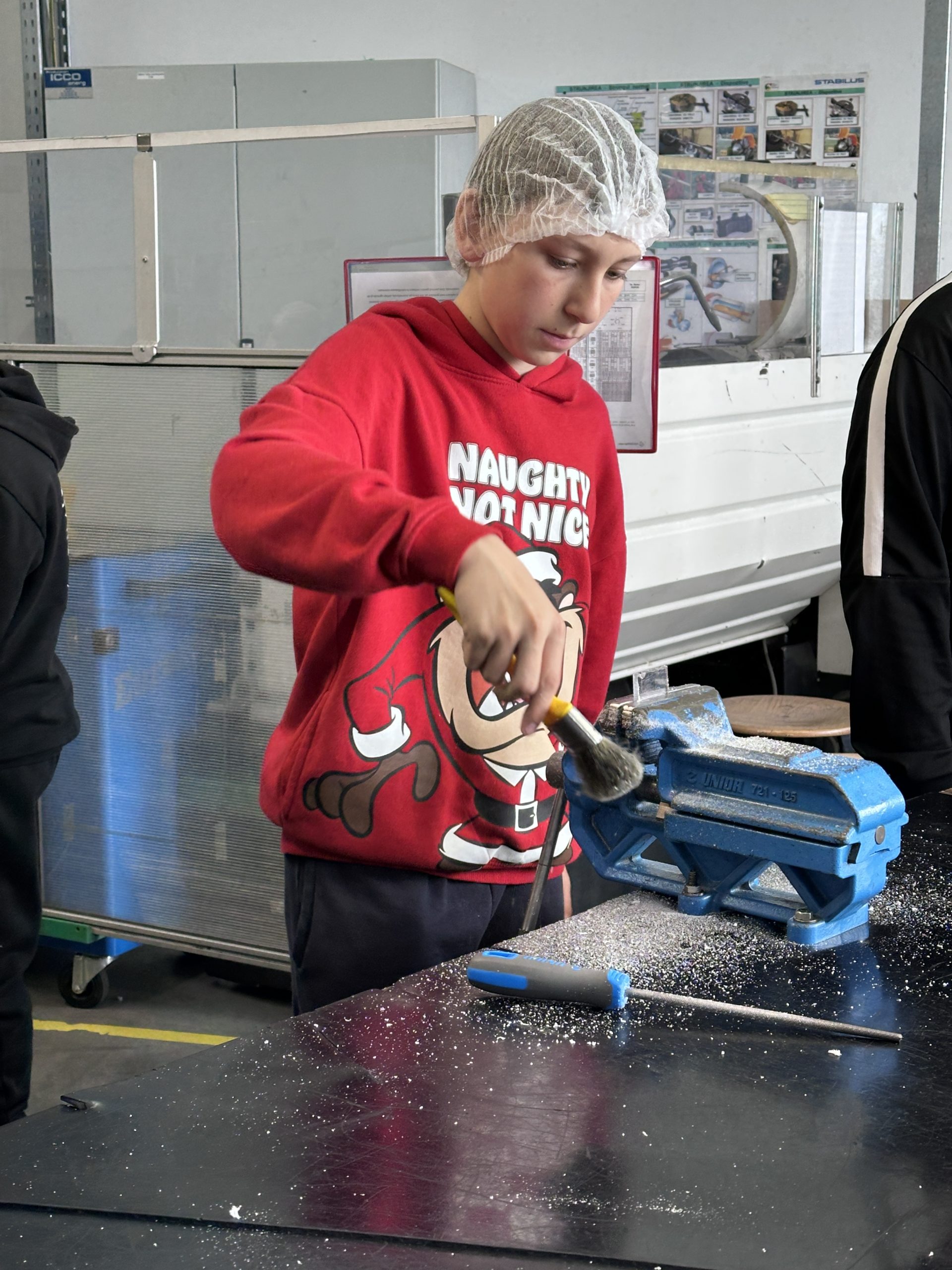
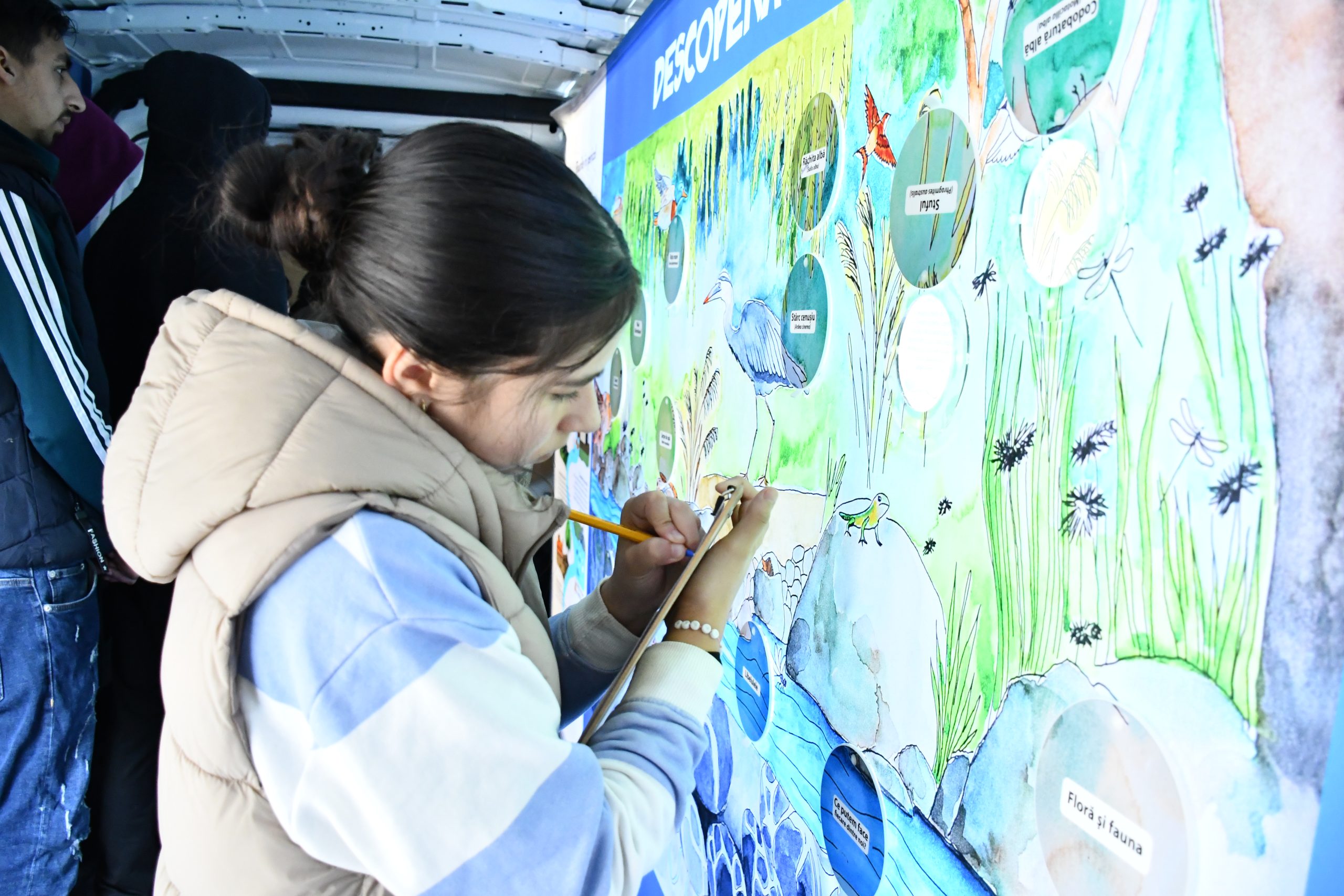
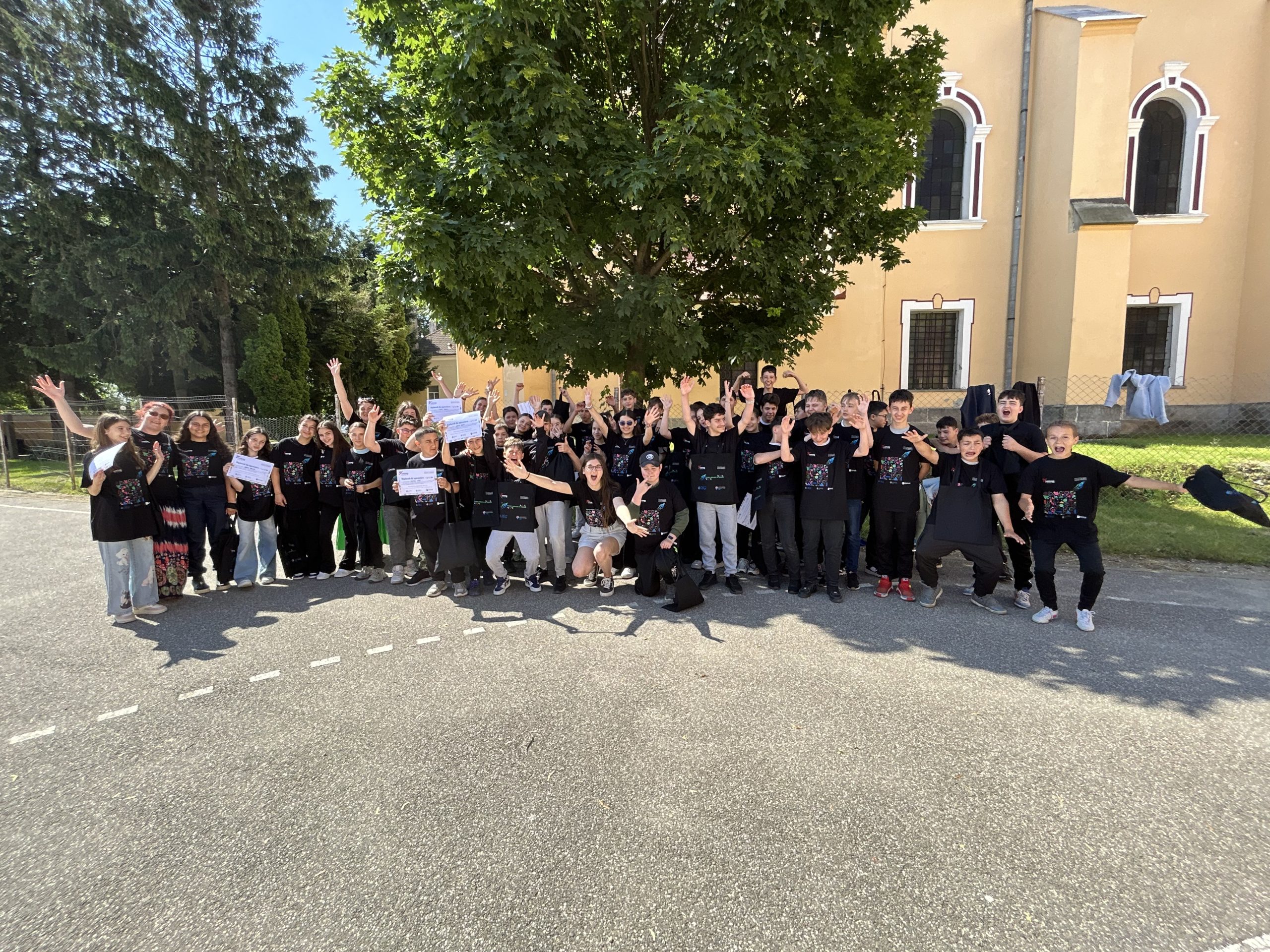
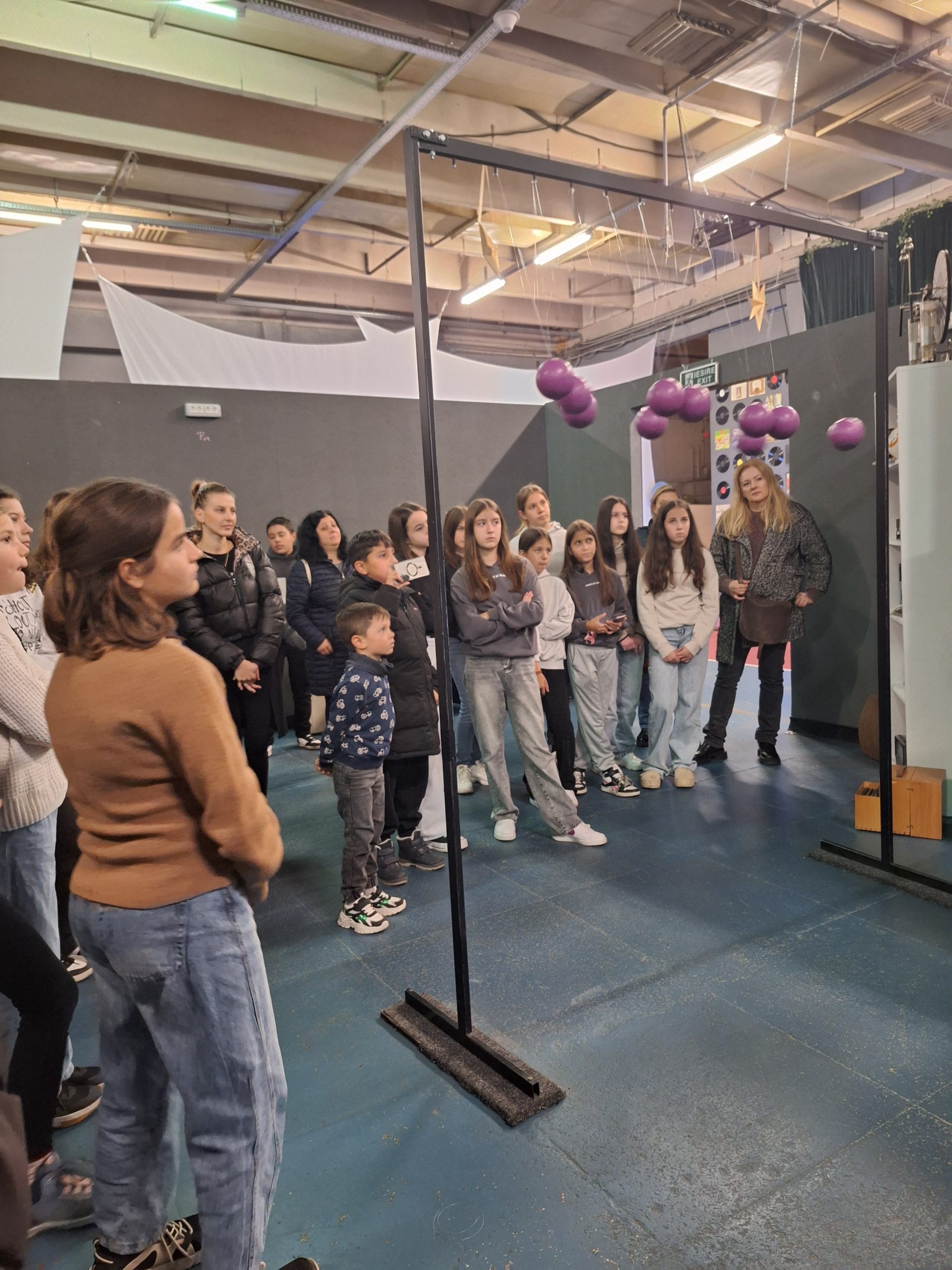
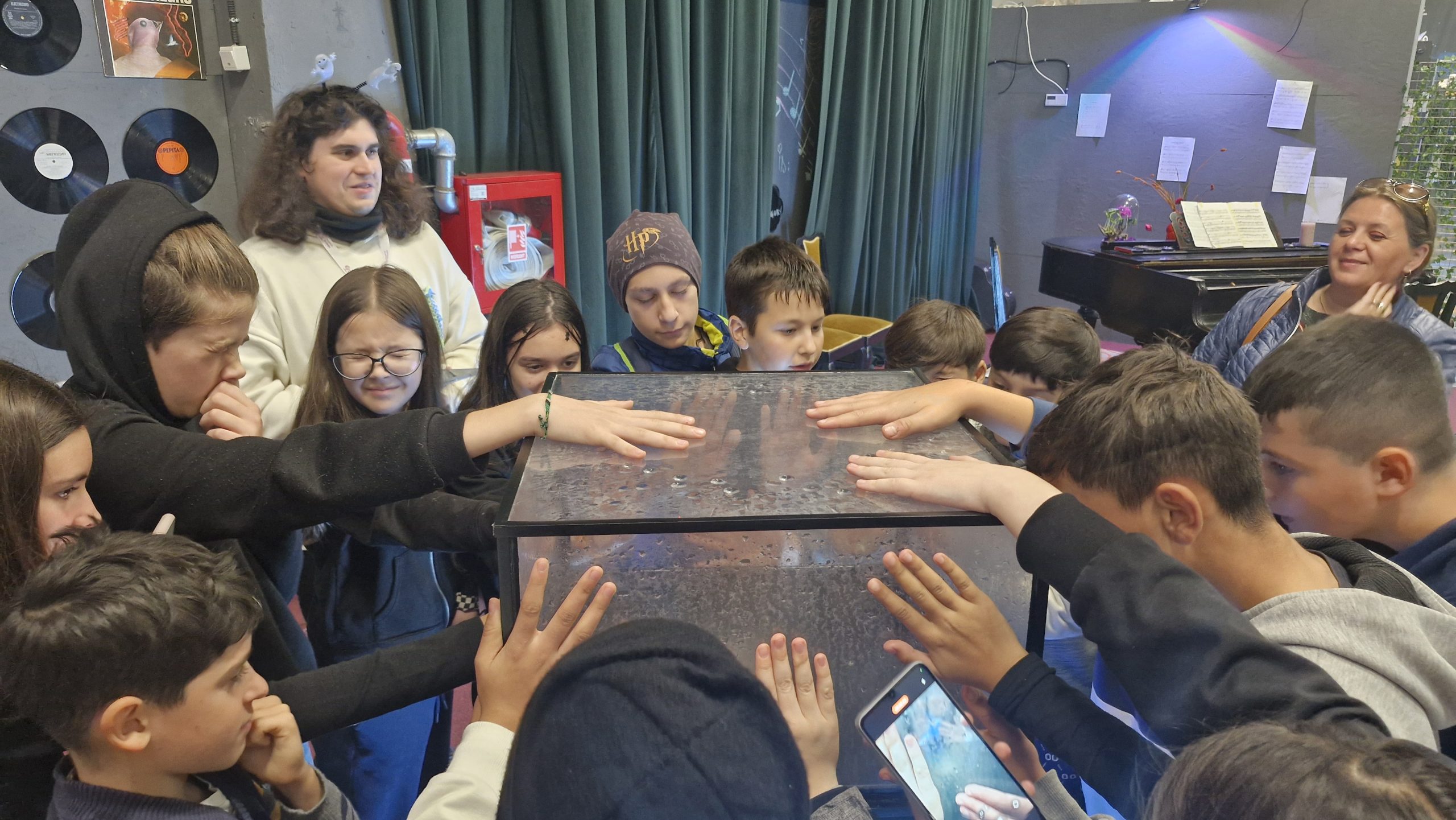
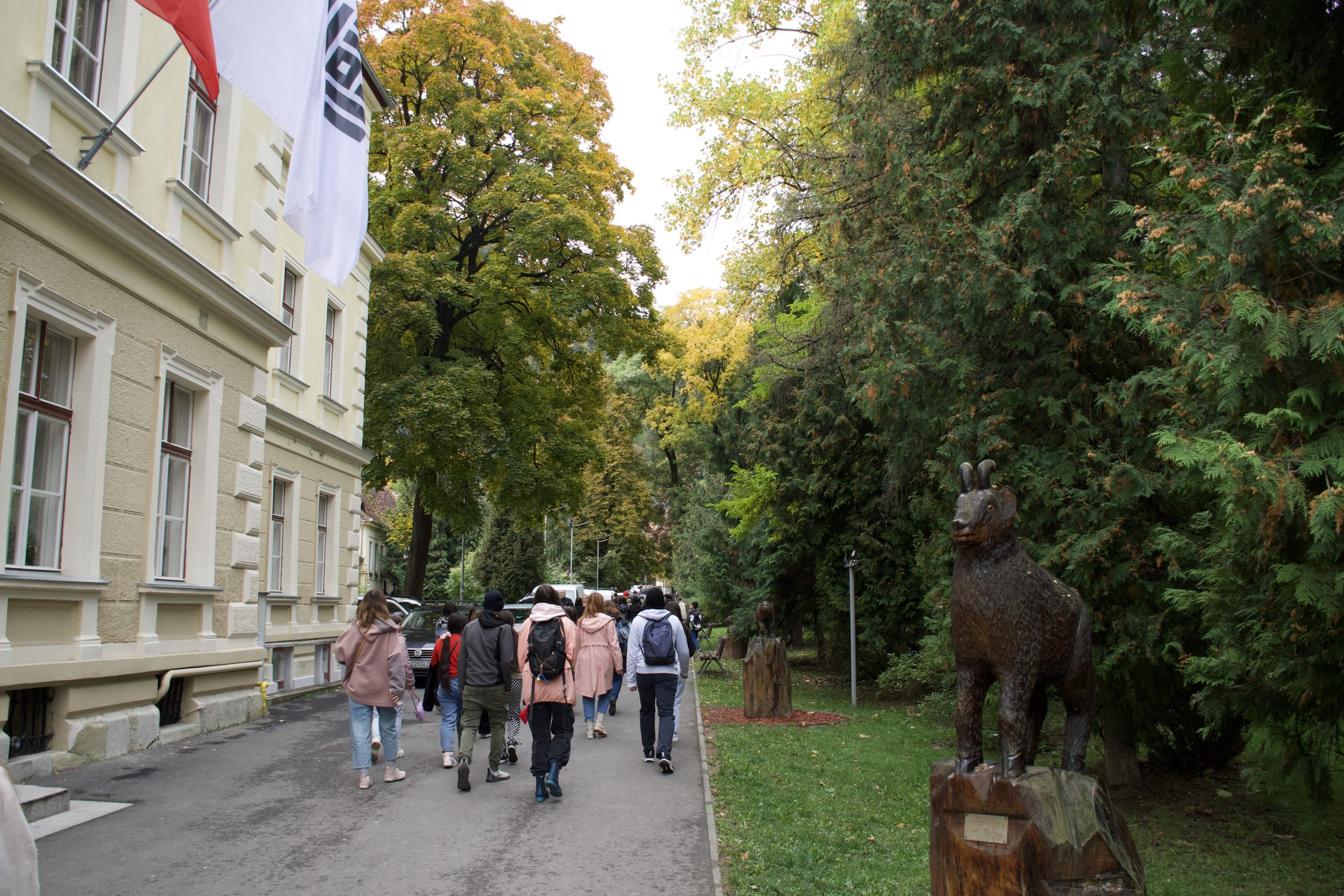
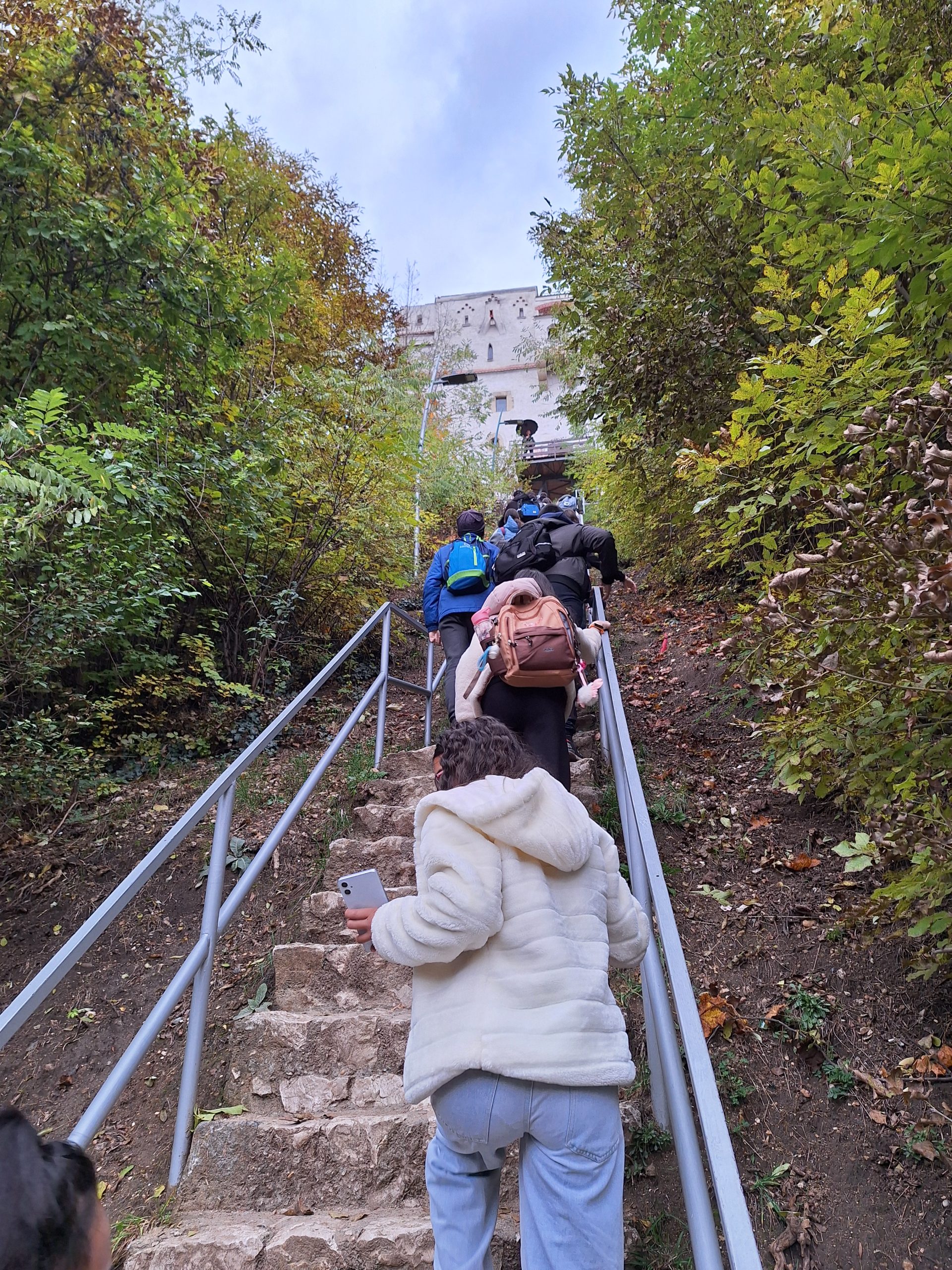
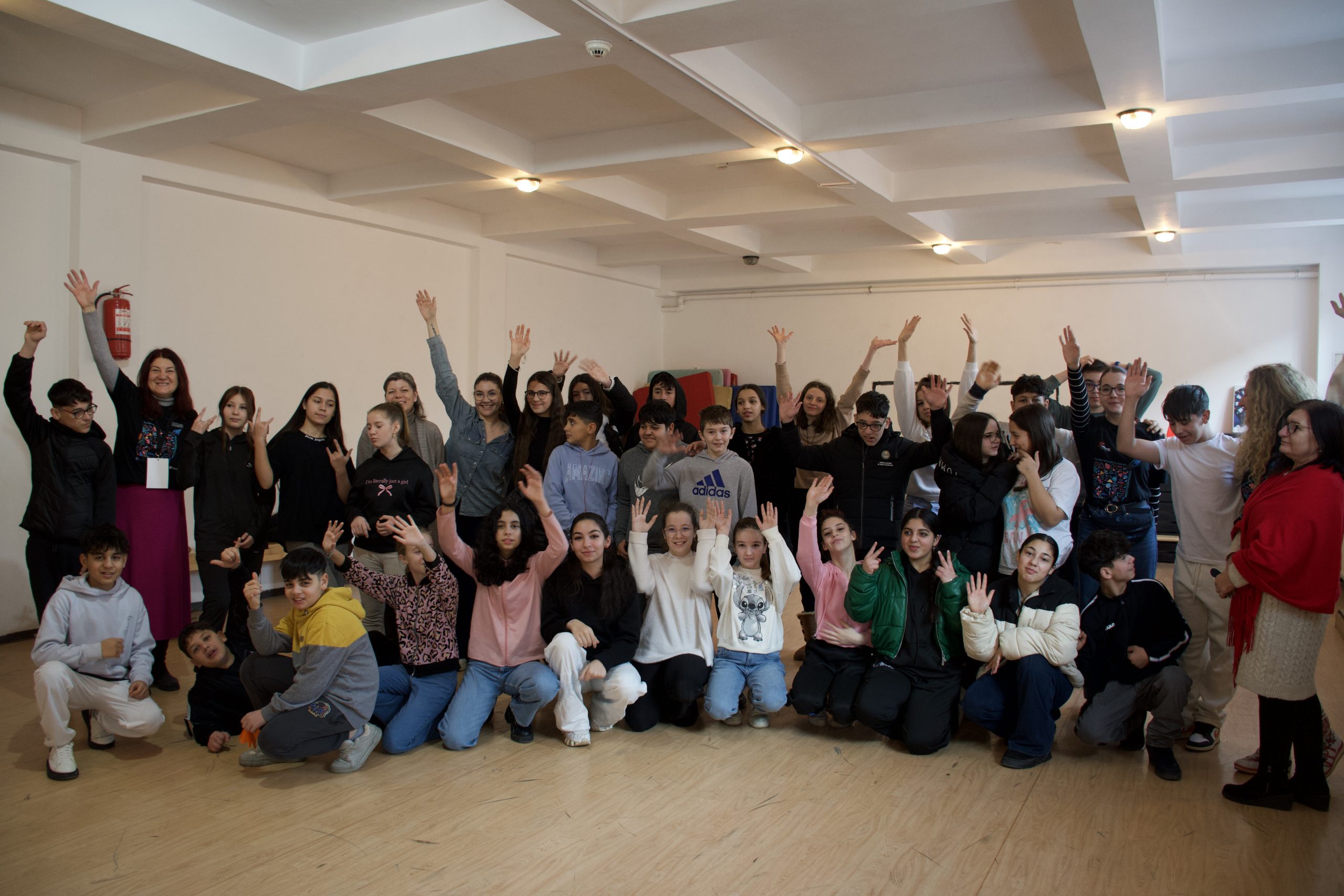
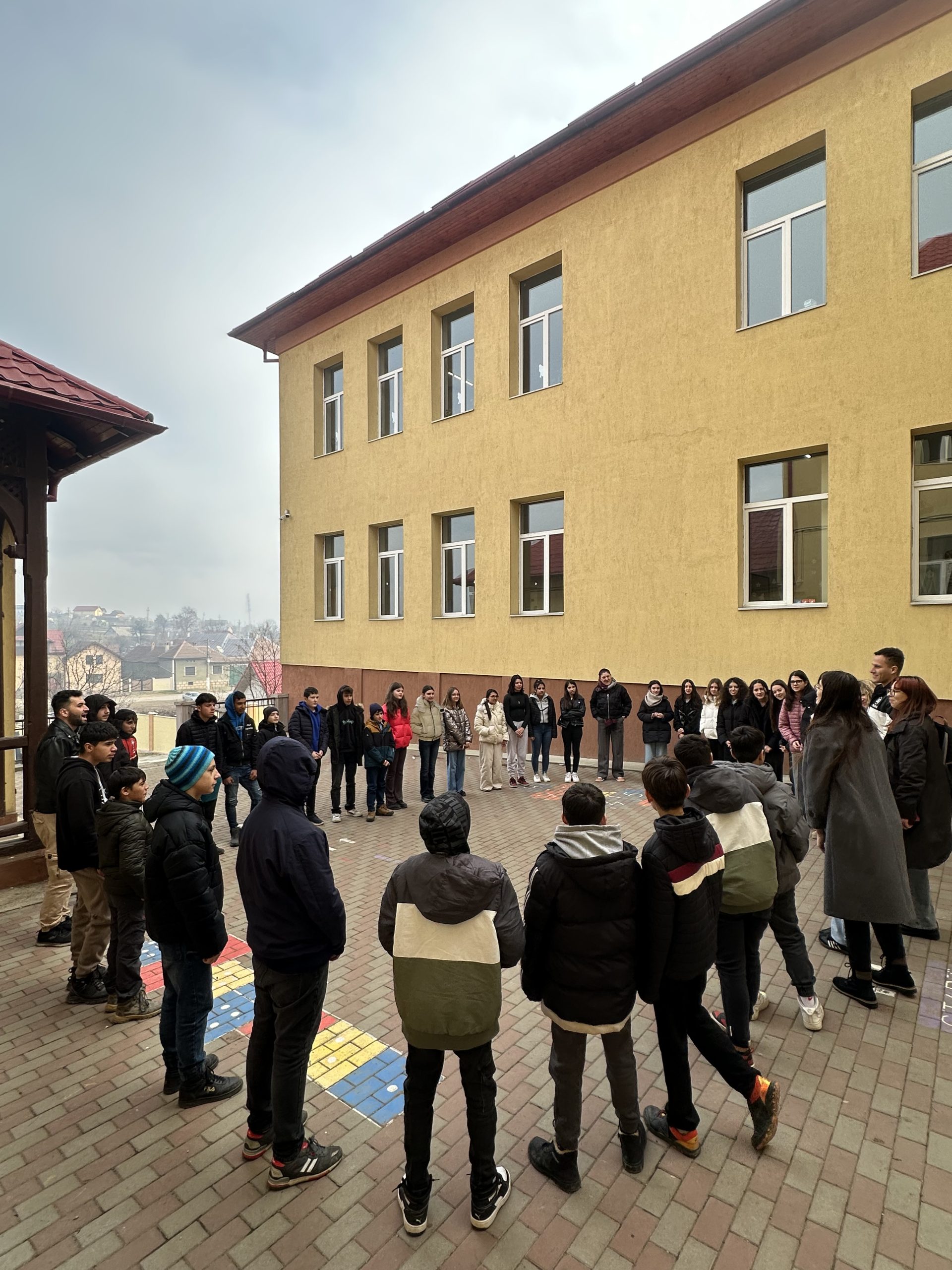
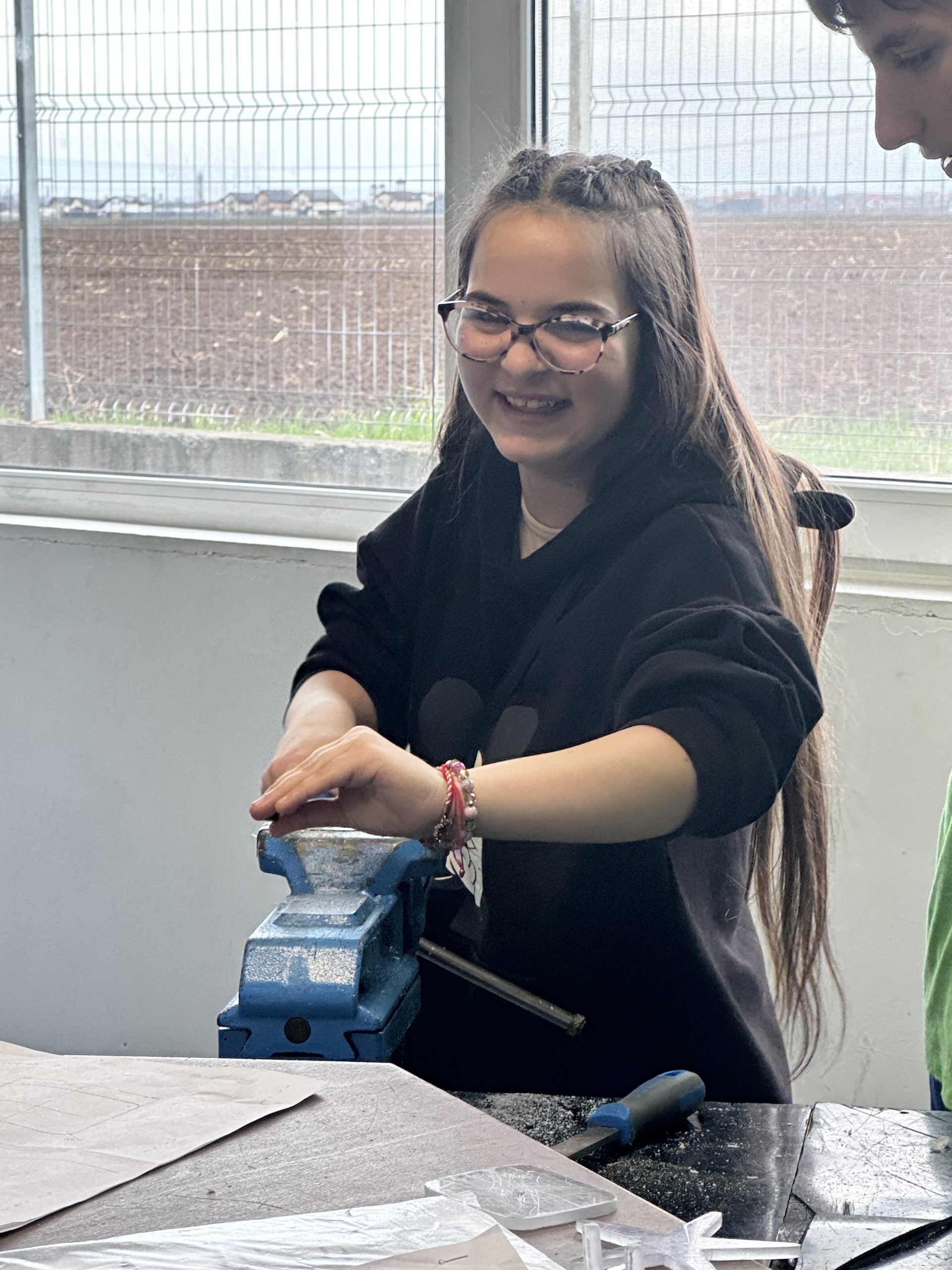
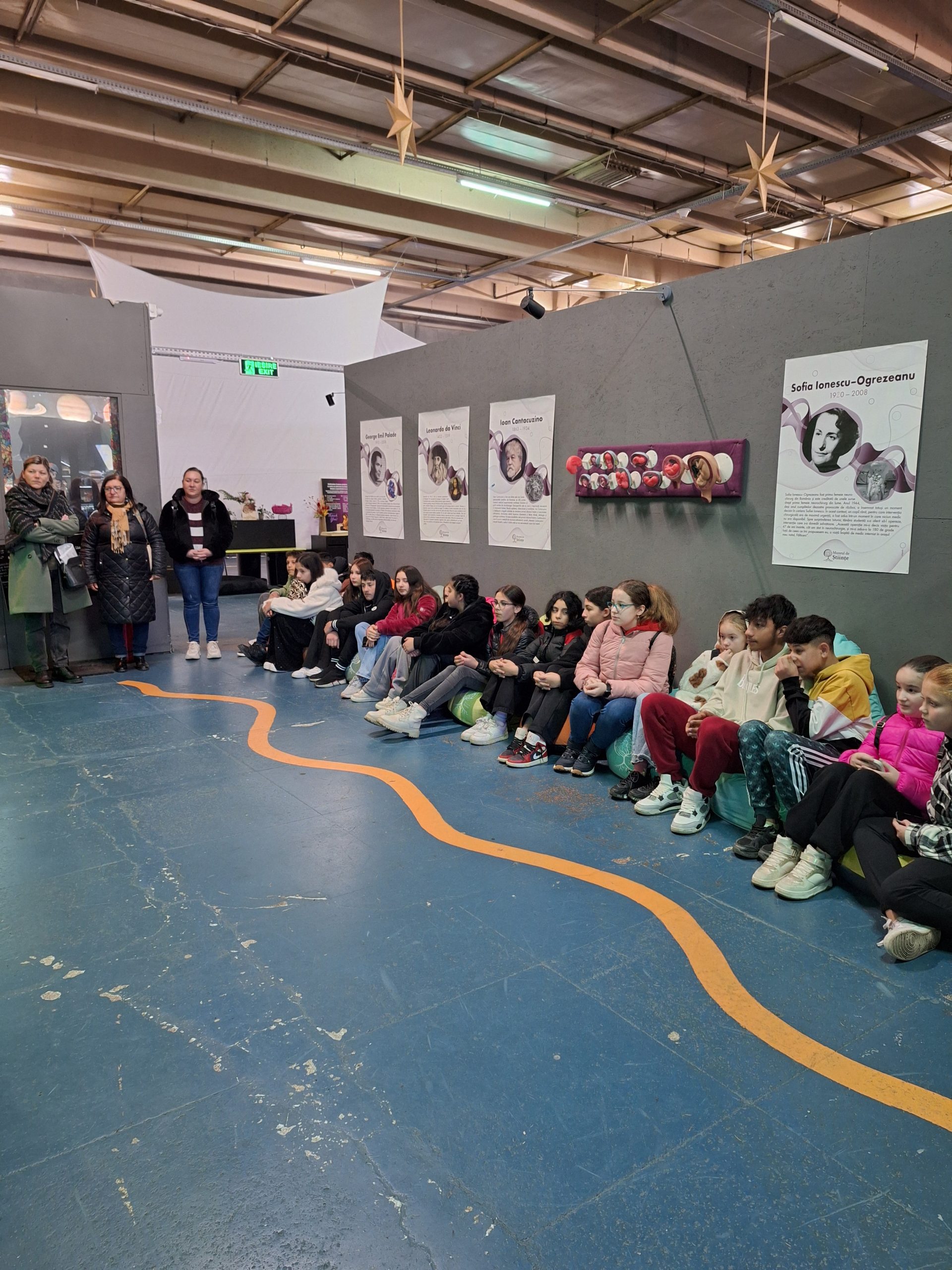
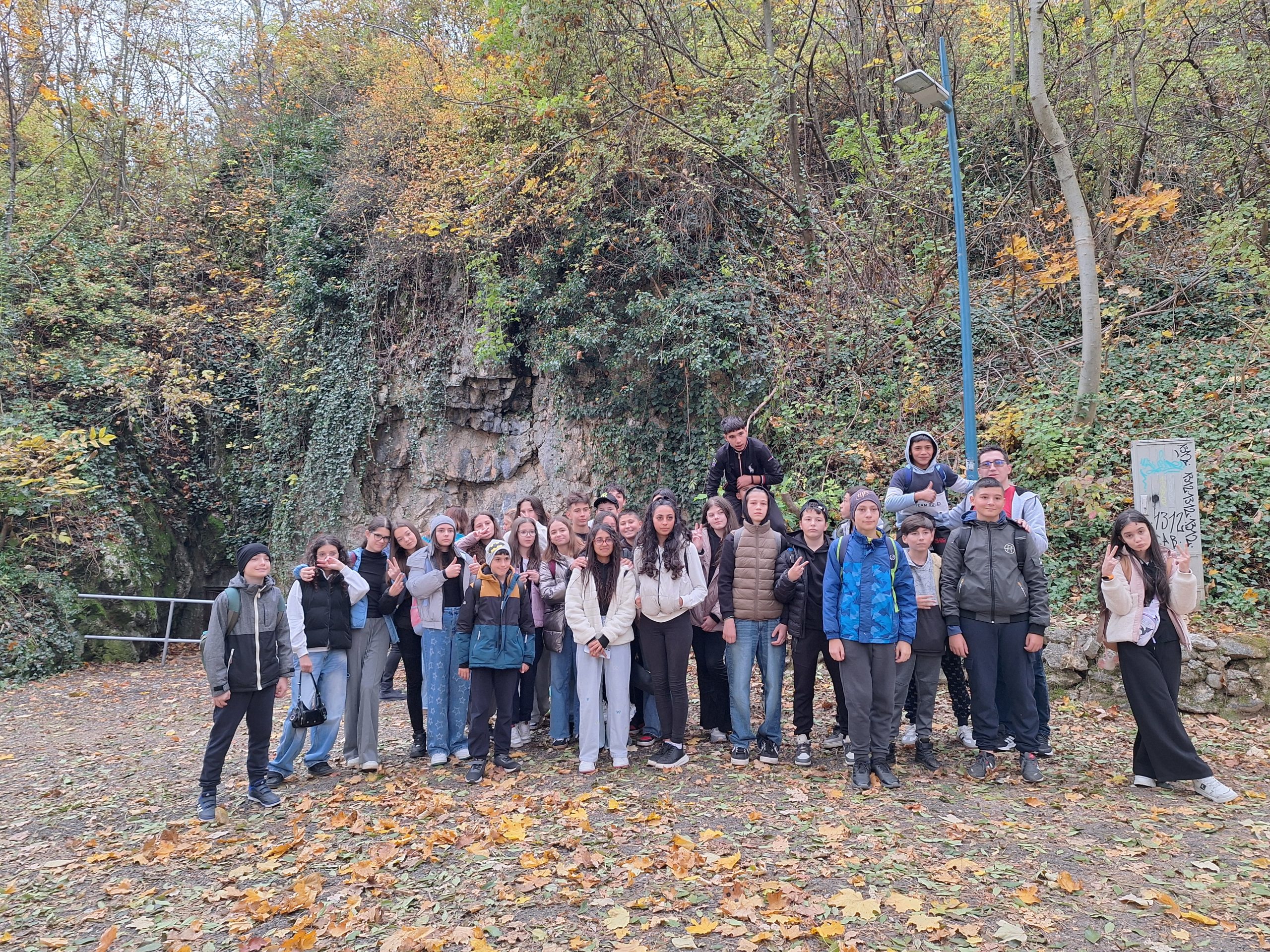
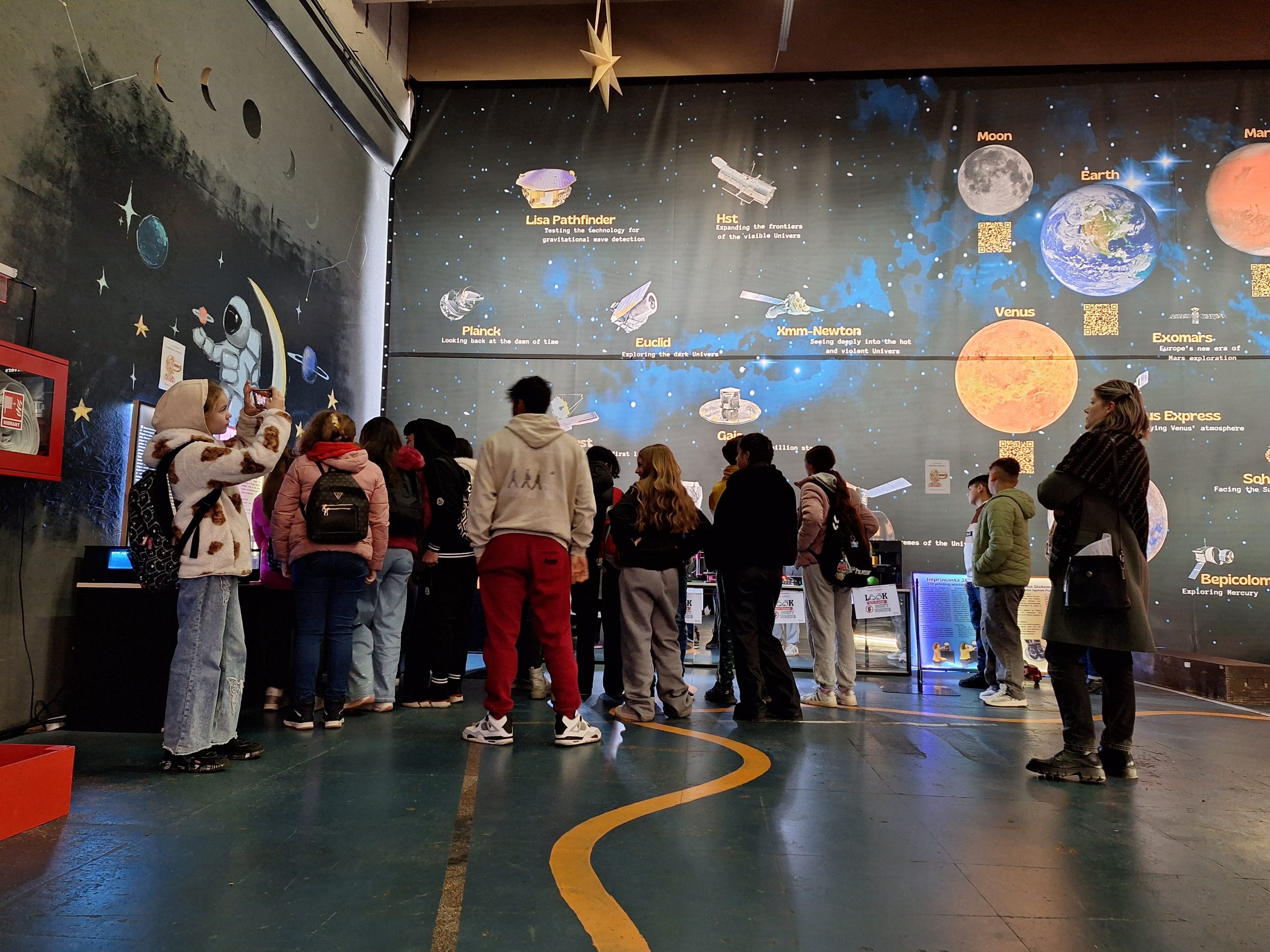
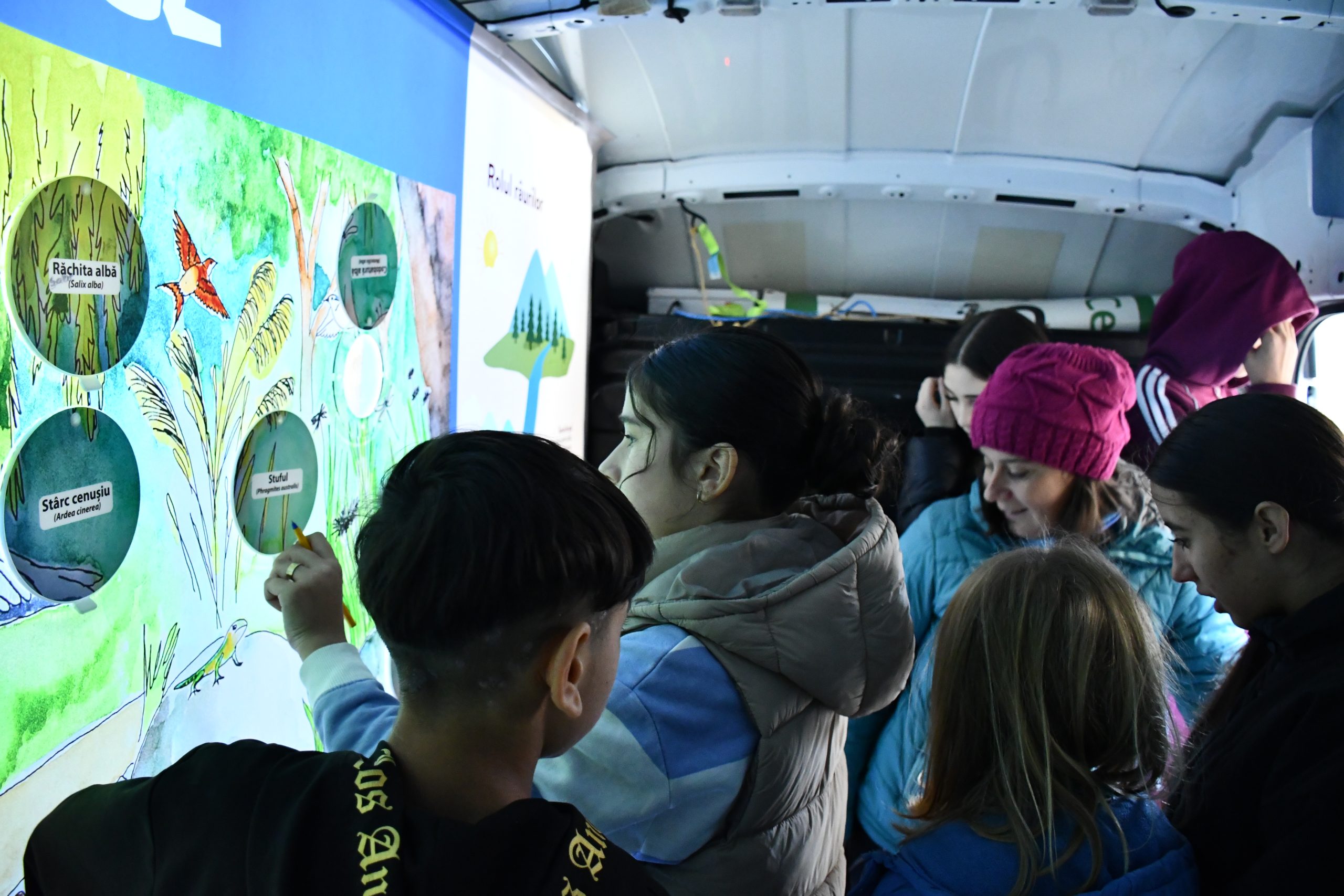
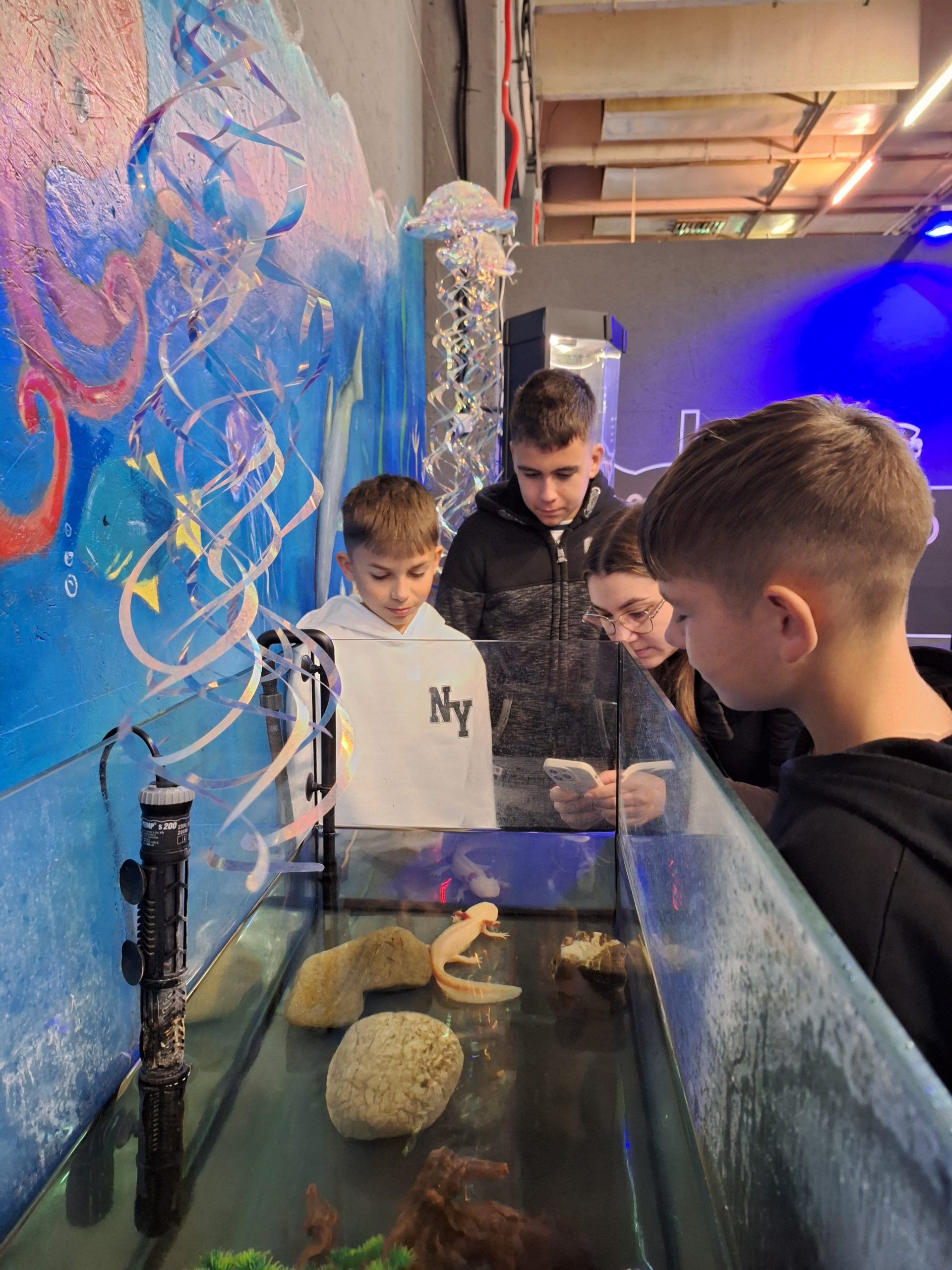
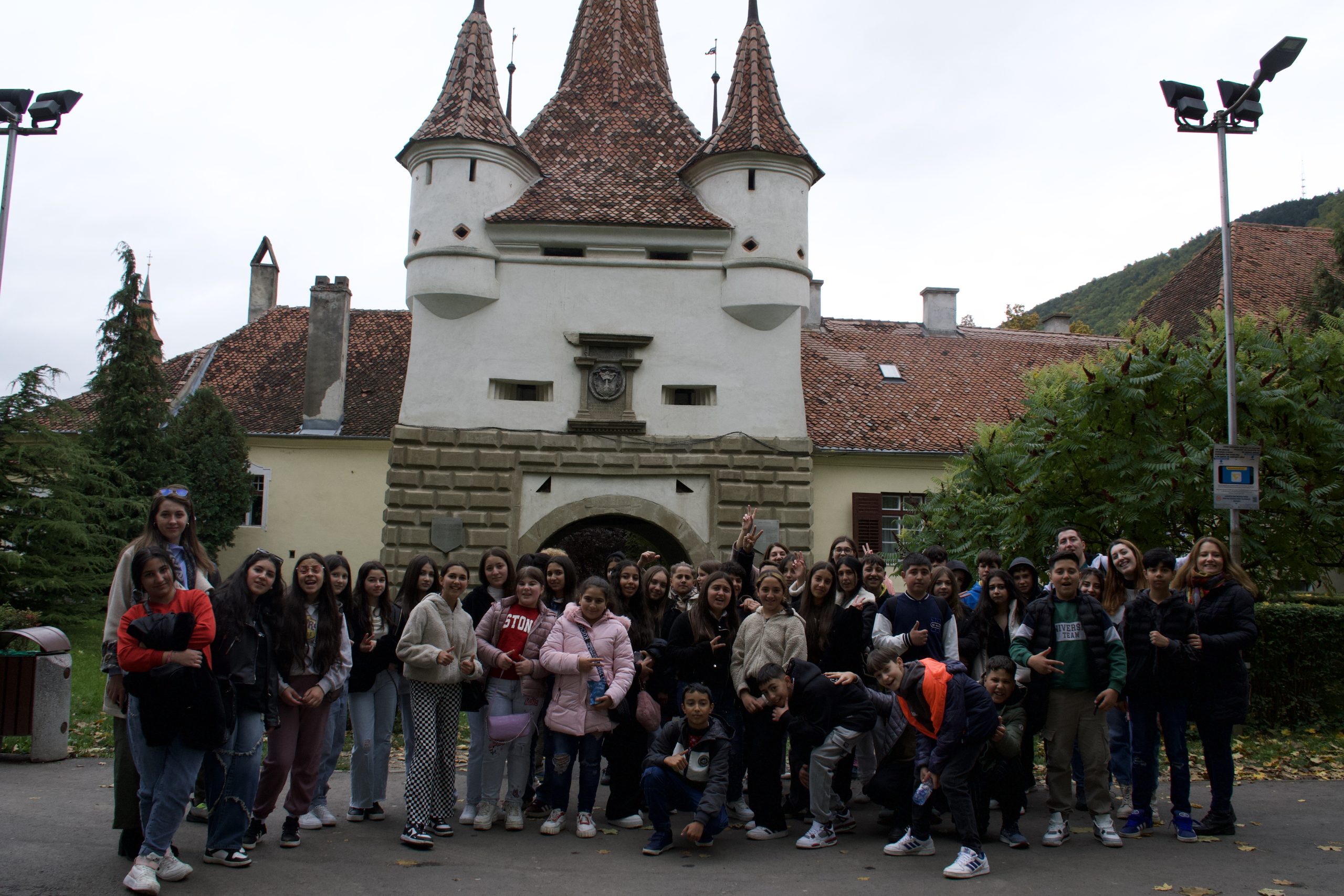
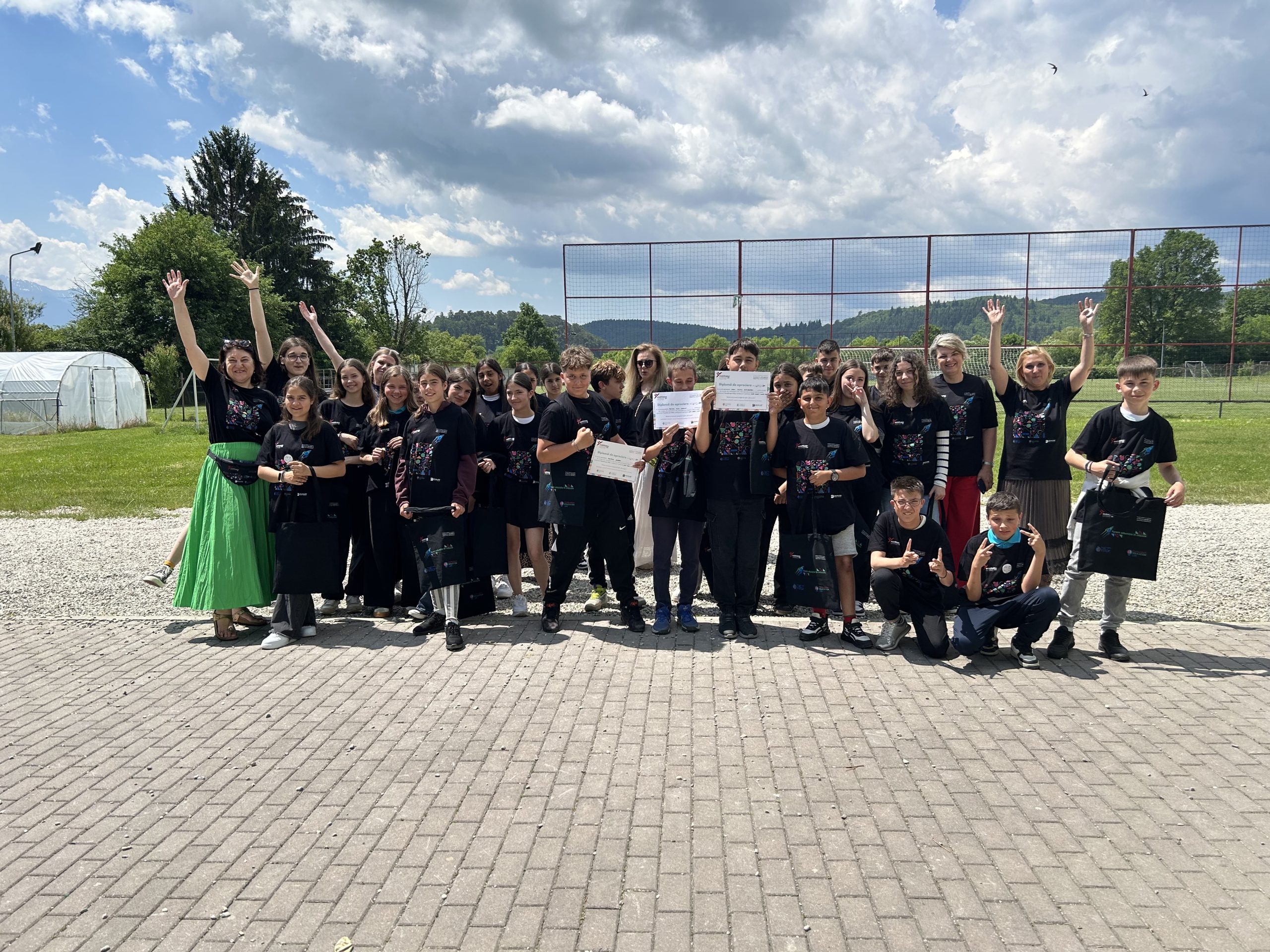
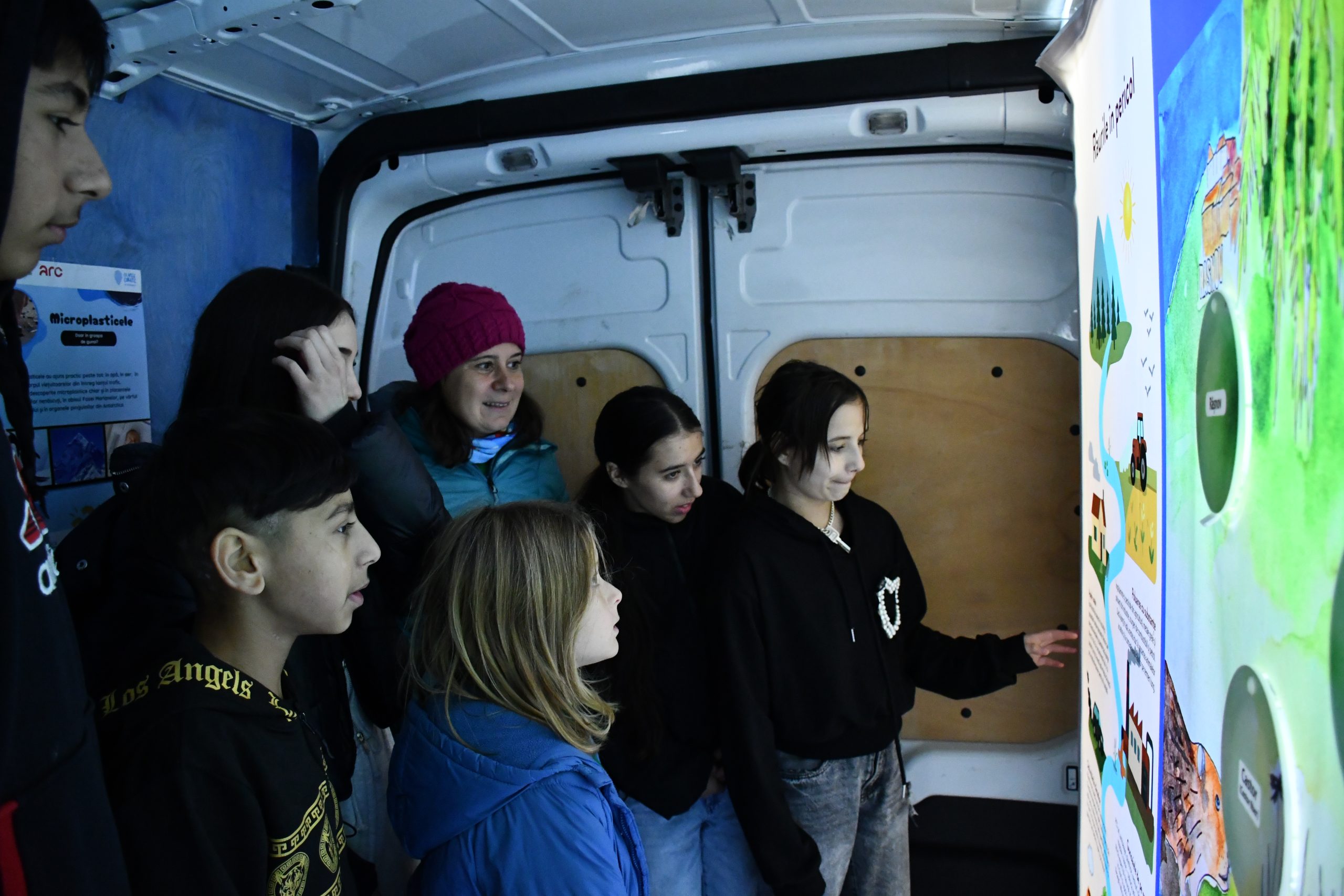
At the same time, cultural visits were organized to the Brasov Science Museum and the old town of Brasov (for the schools that were able to travel there), a mobile science museum brought directly to the schoolyards in Sacele and Halchiu, professional visits to Stabilus Romania, and, finally, the YARMAROK event at the Children’s Fortress (Feldioara Fortress, June 1, 2026)—a public celebration of the 353 students’ journey.

Results
- 353 students directly benefiting from the program in 6 vulnerable communities—41% above the minimum target of 250.
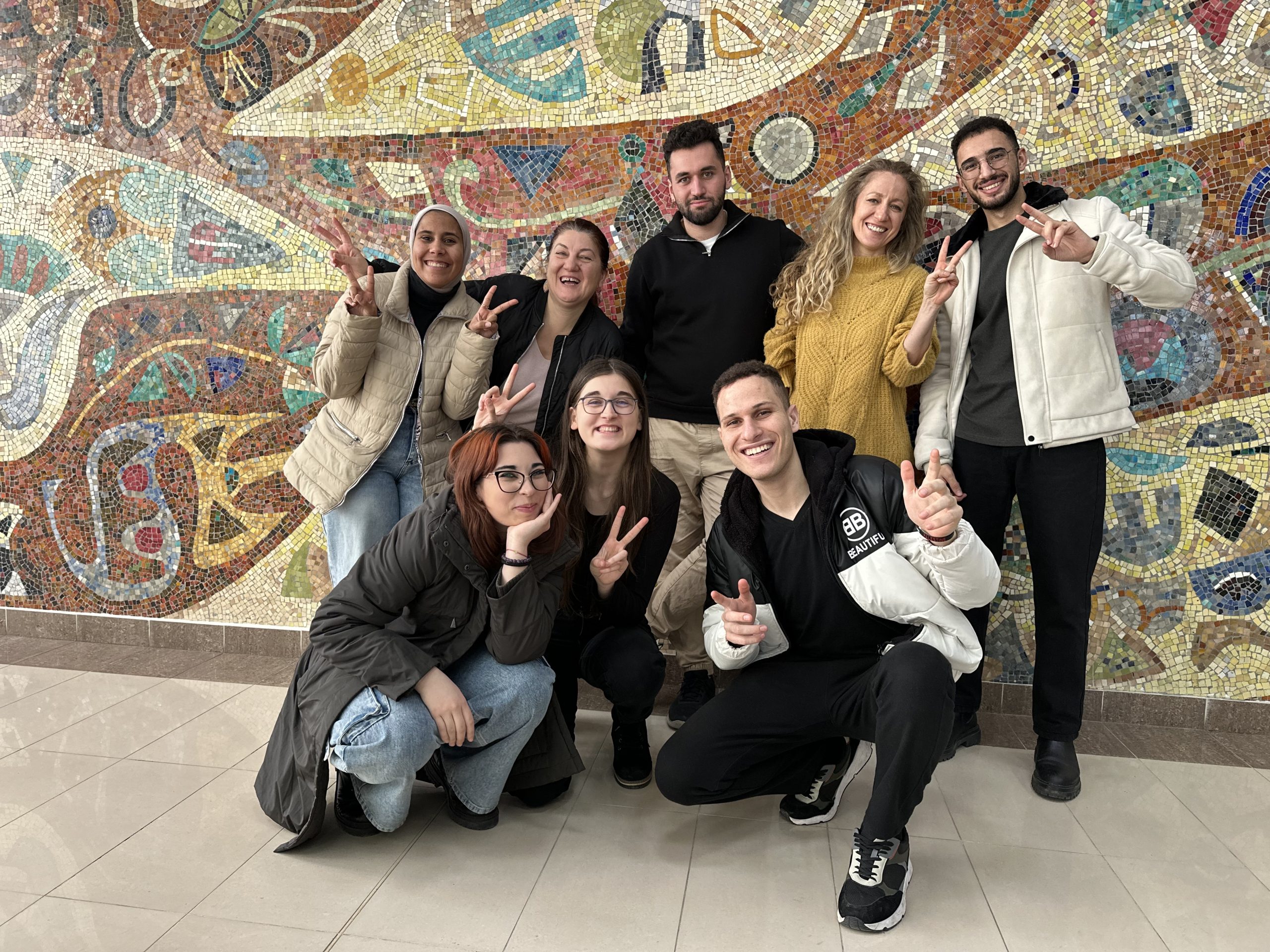
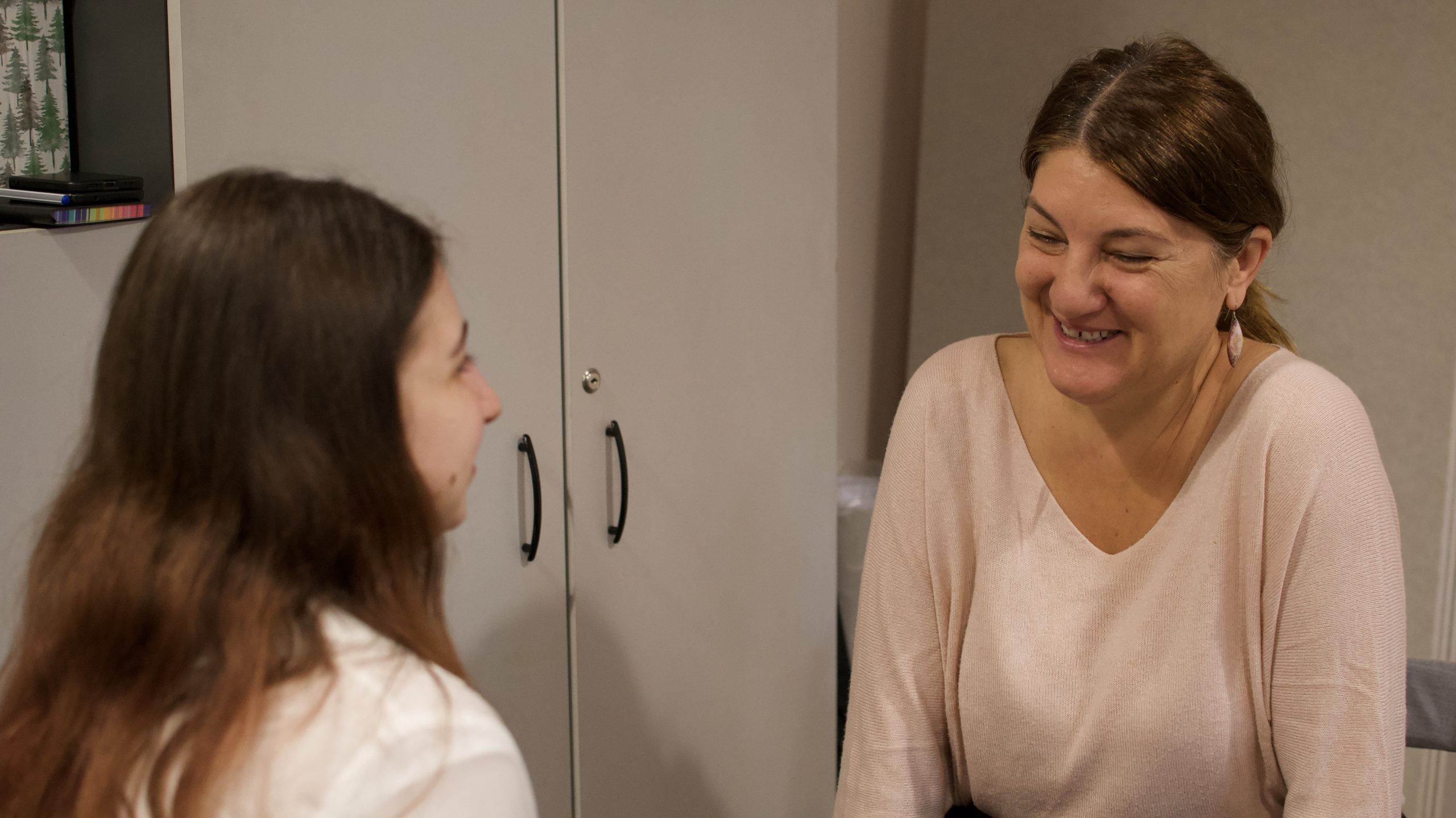
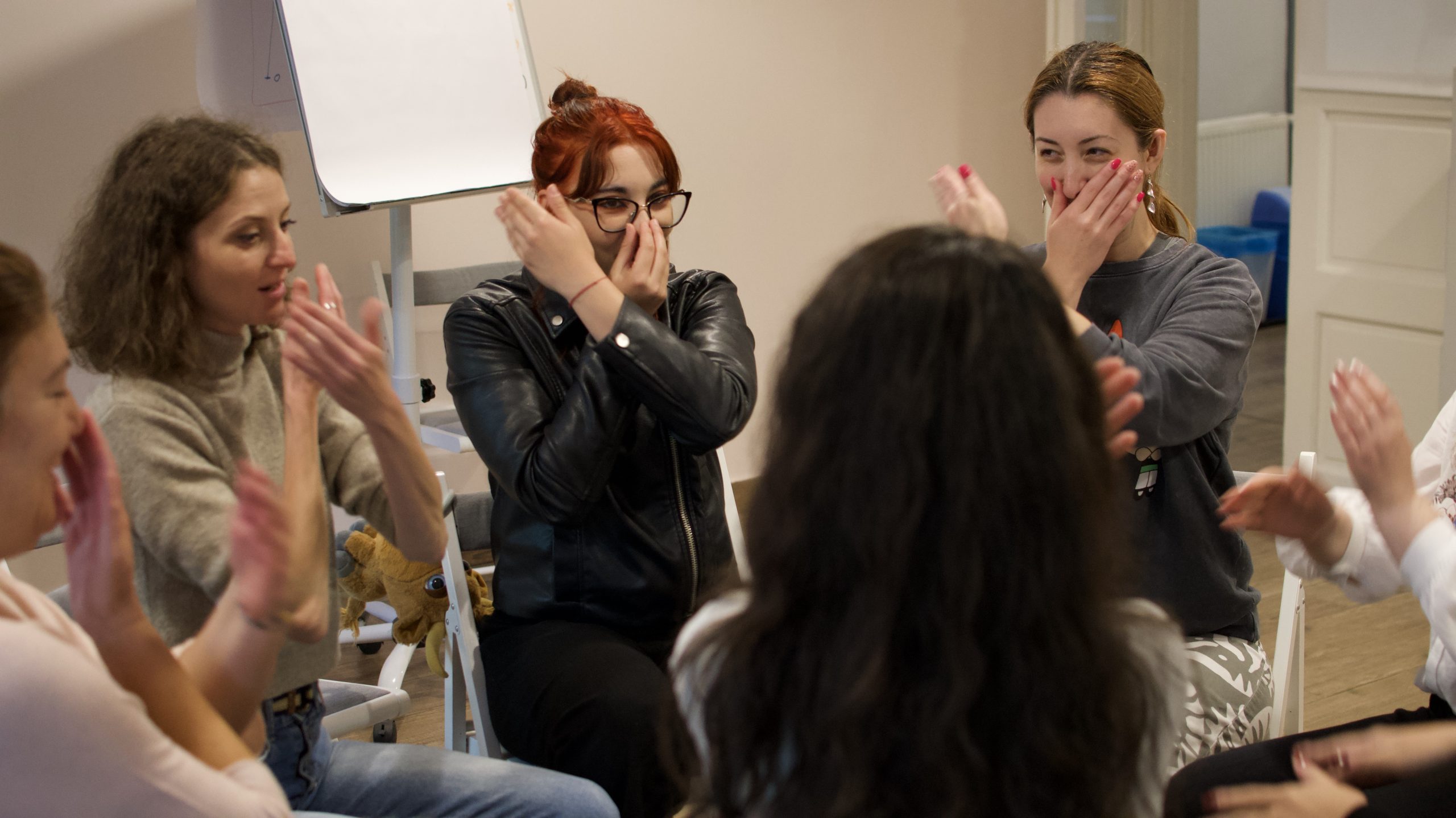
- 16 volunteer facilitators (young people aged 18–30) trained through the Train the Trainers program.
- 6 soft skills workshops were fully delivered at all 6 schools.
- Cultural and professional visits: Brasov Science Museum , Brasov’s Old Town, Schubz Mobile Museum, Stabilus Romania factory.
- Concrete career guidance: Several students from Vulcan and Teliu expressed their intention to attend technical high schools after visiting Stabilus.
- ~363 participants at the YARMAROK closing event (students, families, teachers, and the general public).
- 9 appearances in the local press; an aftermovie posted on iEL’s channels.
- More than 70% of the students are of Roma ethnicity, ~80% come from low-income families, and 18 children have disabilities—all of whom are included in the program without exception.
PROJECT COORDINATED BY:

PARTNERS:

FUNDING

Primary funder: Dacia Foundation for Romania, “Mobility Matters” grant program (part of the “Romania on the Move” campaign). Sponsor: Automobile Dacia